Budget Single-Shot Shotguns Are Vanishing, and New Hunters Feel It
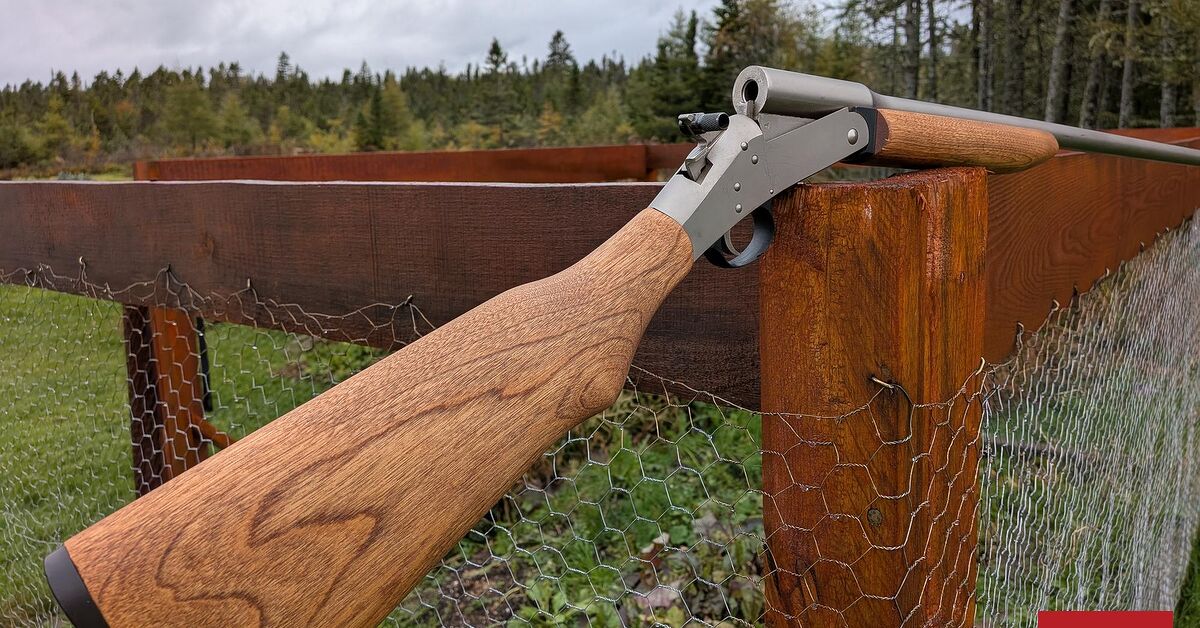
The cheap single-shot shotgun is disappearing, and Zac K. at The Firearm Blog thinks gun owners should care. In a Fudd Friday column published November 7, 2026, he uses an H&R .410 Model 99 as the example of a gun that once sat in hardware store racks across North America, arming beginners, casual hunters and kids. Today, he says, the affordable single-shot has largely vanished from local dealer shelves. He argues the loss costs the shooting community more than most people realize. It reads like nostalgia, but the economic argument underneath it holds up.
Key Details
The column packs in specific details worth knowing:
- The featured gun is an H&R .410 Model 99 single-shot.
- The author's youthful 10-gauge H&R weighed 9.5 pounds. The extra mass soaked up recoil from 3.5-inch goose loads.
- Savage sold its Model 94 for roughly 60 years under several names.
- Cooey dominated the Canadian market with the Model 84, then sent the Winchester 370 into the US.
- Winchester offered the Model 37, and Iver Johnson sold its Champion.
- H&R built single-shots in several series going back to the late 1800s.
- Remington rebranded Brazilian-made single-shots, and the author notes they came from CBC.
- Current Henry single-shots carry an MSRP starting at $625.
- When the author started out, H&R single-shots sold for under $200. A Maverick 88 pump started only a little higher, and that gap sent him saving for the pump.
The author also reports that Remington bought the H&R brand, and he counts that purchase as the end of reasonably priced, reliable American single-shots. He sold his 10 gauge after acquiring a Browning BPS, and he says he wishes he had kept it.
Background
Single-shots built the shotgun market for generations. Before repeaters got cheap, a single-barrel break-action was the default gun for a farm kid or a first-time duck hunter. Manufacturers across North America made them, and many were priced to sell in bulk through hardware and sporting goods stores.
Two things changed that. First, pump-action and autoloading shotguns became much more affordable. The Maverick 88 is a good example of a budget repeater that competed directly with single-shots on price. Second, many single-shots moved to overseas manufacturing. Brazilian and Russian-made guns carried American and Canadian brand names for years, but the budget shelf eventually shifted toward imports. The author argues that cheap Turkish imports now hold that segment, and that American makers cannot match the margins.
Remington's ownership of H&R is the pivot point in the column. Remington acquired the brand in 1986. The author treats that deal as the last stand for a domestic budget single-shot, and the current market supports his point. Affordable American-built single-shots are scarce, and buyers now choose between used guns and premium options.
Why It Matters for Gun Owners
The single-shot shotgun matters most to people starting out. A new hunter does not need a five-round autoloader to learn patterning, lead, and safe carry. A single-shot forces discipline. Each shot counts, and the gun is simple enough that a parent can supervise every step of handling. Mentors who teach kids on a single-shot .22 often want the same approach with a 20 gauge or .410.
Anyone who wants a light small-game gun should pay attention. A small .410 or 20 gauge is hard to beat for rabbits, squirrels, and grouse in tight cover. Single-shots are light and handy, and that matters when you are pushing through brush. Federal migratory bird regulations cap shotgun capacity at three shells for waterfowl, so a single-shot clears that rule without a plug. Check your state's regulations before you head out, because some states add their own restrictions on shotgun capacity and gauge for specific seasons.
Watch the used market closely. Older H&R, Stevens, and Baikal guns still show up at estate sales and pawn counters. Inspect the barrel for bulges, check the forcing cone, and confirm the action locks up tight before you hand over cash.
DownRange Analysis
Single-shot shotguns survive any Bruen challenge with ease. The Supreme Court has said the Second Amendment protects arms in common use, and a single-shot shotgun sits in the middle of that category. No court is going to strike a 12 gauge single-barrel for being too simple. The threat to the single-shot is economic, not legal.
The market explains the rest. A factory cannot sell a $200 American single-shot when labor, steel, and freight costs have climbed and buyers expect a bigger gun for their money. Henry's $625 starting price reflects that reality. You pay for better fit and finish, and you get a gun built to last. That is a fair trade for a lifetime hunter, but it prices out the teenager with a paper route.
What should a gun owner do right now? If you want a starter shotgun for a kid, shop used first. Buy an H&R, a Stevens Model 94, or a Baikal IJ-18 in good condition, and budget for a bore check and a minor tune-up. If you want new, the Henry is the most defensible choice among American-built options. Keep an eye on used prices, because a generation of shooters is aging out and their guns are coming to the market.