Your Deer Rifle Is a Second Amendment Issue, Too
Bearing Arms reprinted an NRA-ILA argument this week that hunters cannot sit out the gun control fight. Published November 3, 2026, the piece makes one core point: the Second Amendment never mentions hunting, yet it protects hunting the same way it protects target shooting, home defense, and resistance to tyranny. The author warns that restrictions aimed at semi-automatic rifles reach bolt-action and muzzleloader hunters too. He targets hunters who believe the "assault weapon" label does not touch their rifles. The argument also links the movement behind those bans to proposals covering all firearm purchases and ammunition. Here is what the piece says, what it leaves out, and what it means for the people who carry rifles into the field.
Key Details
The piece runs as an opinion column, not a news report, and it makes its case through a handful of specific claims:
- The Second Amendment contains no reference to hunting. The author argues hunting falls under its protection anyway, alongside competition shooting, plinking, and self-defense.
- Political campaigns and advocacy groups are courting hunters in competitive congressional and statewide races. The author describes hunters as a politically engaged bloc concerned with public lands, hunting access, wildlife management, and conservation.
- The author says the political movement pushing bans on commonly owned semi-automatic firearms also backs limits on all firearm purchases, ammunition types, and lawful gun ownership in general.
- The piece cites the Bondi Beach incident, in which a bolt-action rifle described as a "hunting rifle" was used in a massacre, as evidence that anti-gun politicians will eventually throw hunters under the bus.
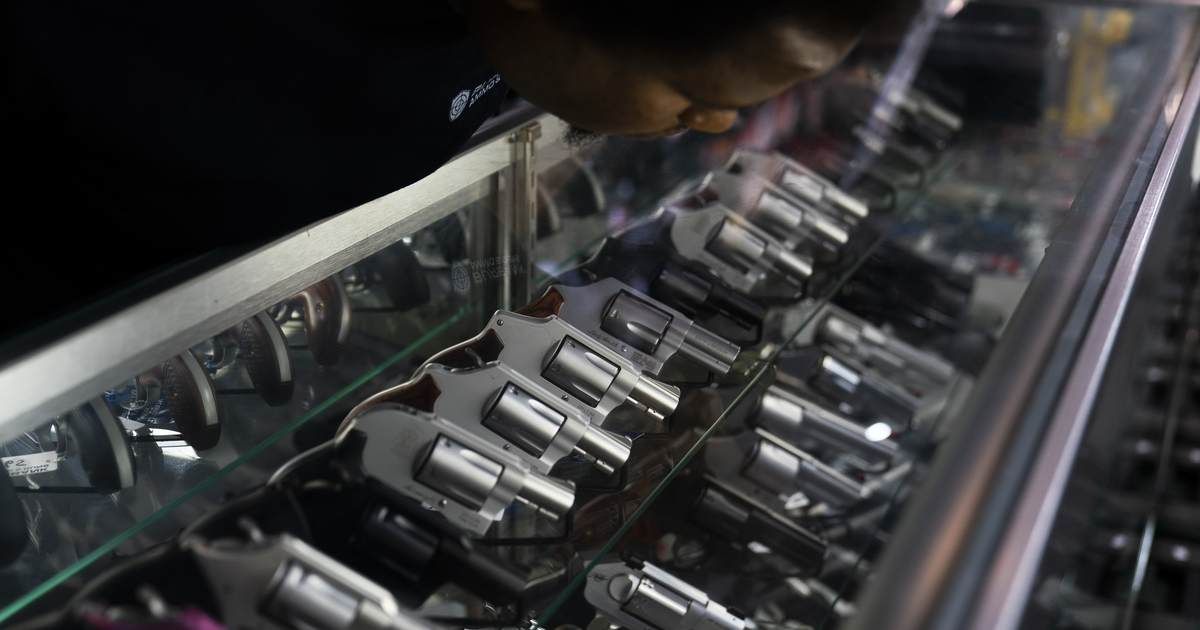
- The author notes that gun control advocates targeted handguns for years before turning to the modern sporting rifle.
- The author calls the modern sporting rifle a capable hunting tool that also defends life and liberty more effectively than any other long gun available today.
- The closing argument invokes Benjamin Franklin's line that people must hang together or hang separately, and urges hunters to defend others' rights to protect their own.
Background
This argument is not new, but the legal ground under it has shifted. In District of Columbia v. Heller (2008), the Supreme Court held that the Second Amendment protects an individual right and struck down the District's handgun ban. Justice Scalia's majority opinion tied the protected arms to those in common use for lawful purposes, and it said most Americans choose handguns for self-defense. That language gives the "common use" argument its footing. Before Heller, federal law had already restricted machine guns and short-barreled rifles under the National Firearms Act of 1934. The federal assault weapons ban of 1994 expired in 2004 after a ten-year sunset. Congress never renewed it. Then came New York State Rifle & Pistol Association v. Bruen (2022), which replaced the older means-end approach with a test that asks whether modern regulations fit the nation's historical tradition of firearm regulation. Bruen changed how courts evaluate every gun law now on the books, and it changed the burden on states defending new ones.
Why It Matters for Gun Owners
The practical threat to hunters is not theoretical. Several states already regulate hunting firearms and ammunition in ways that bite. Some limit magazine capacity for hunting, and some restrict or phase out lead ammunition for certain game or in certain zones. California's lead ammunition rules are the best-known example. A bolt-action owner in those states can run into a regulation written for a different category of rifle. Hunters should read the regulations in their state, not just the headlines. Watch state wildlife agency rulemakings, which can change what you may legally use in the field. Watch bills that define "assault weapon" by features like pistol grips, folding stocks, or detachable magazines, because a bolt-action deer rifle with a detachable box magazine can fall within some of those definitions. Ammunition bills deserve the same attention. A ban on a common cartridge hits every hunter who uses it, regardless of action type.
DownRange Analysis
The author's core point holds up. A bolt-action rifle is plainly in common use, and that makes a ban on it hard to defend under Heller's common-use language and Bruen's historical test. Courts will not accept "it is a hunting rifle" as a reason to ban all rifles of a type, but they will look hard at any law that sweeps in ordinary hunting guns. Those rifles have a long history in American life. That history helps hunters, and it also means the government carries the burden to justify restrictions. Hunters should stop treating semi-auto bans as someone else's fight. Join your state gun rights organization and your local hunting club, and show up when hunting bills get hearings. Keep your receipts and your state's regulations in one folder. When a politician offers to protect your deer rifle while signing off on a ban on your neighbor's AR, call that what it is. The lesson of this column is simple: a gun right that gets traded away for someone else's category is a gun right the next legislature can take from you.