NRA Board Feud: Did Bachenberg Skip the Committee on Organization?
An NRA director says President Bachenberg never sent his plan to shrink the Board of Directors through the committee charged with reviewing it. Jeff Knox, a member of the Special Committee on Organization, has described the same sequence. Now another director has answered in a rebuttal published at Ammoland, disputing many of the claims made in an earlier piece. The argument is about process, not just size. Both sides have gone on the record, which means members can compare the accounts and decide for themselves.
Key Details
The dispute centers on a Board reduction proposal from President Bachenberg. The key dates and facts, as reported in the rebuttal and the earlier account, are these:
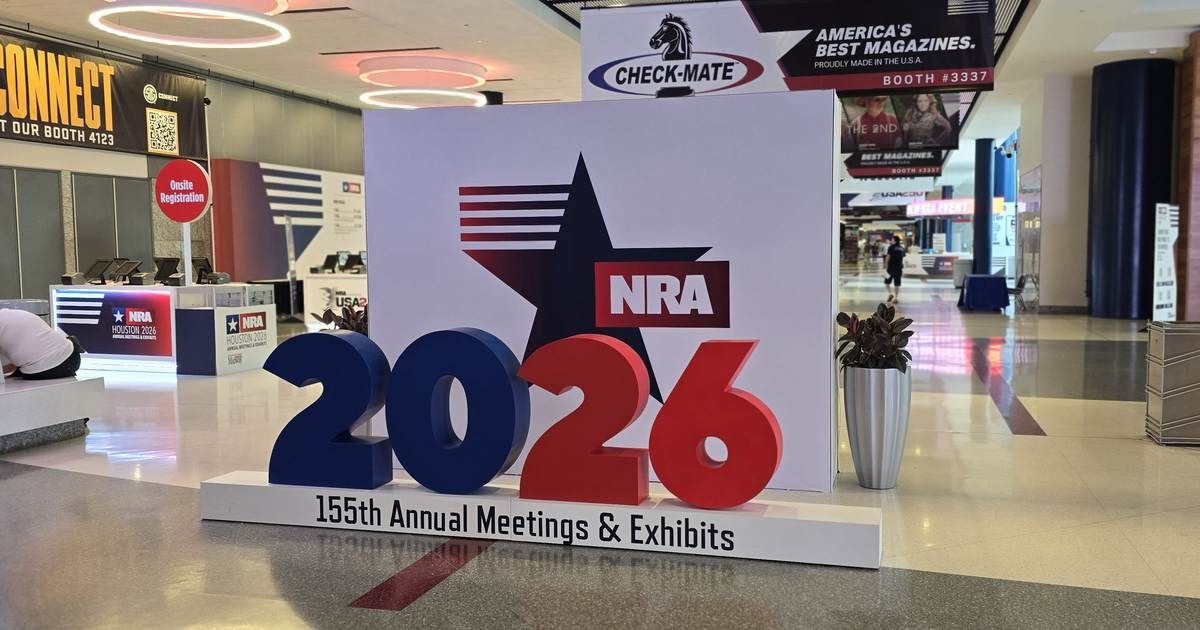
- The president first presented the proposal publicly at the 2026 Annual Meeting of Members. According to the rebuttal, Board members learned of it at that moment.
- Amanda Suffecool, then chair of the Organization Committee, asked the president to send the proposal to the committee for review. Knox says the president replied that the committee would see it when everyone else did.
- At a September meeting, an overwhelming majority of directors voted to refer the proposal to the Special Committee on Organization. The rebuttal author stresses the wording: refer, not refer back. He argues the committee had never considered the change before.
- The rebuttal author says he came in fifth in his first election in 2024. He says he had decided against seeking a second term before friends encouraged him to run again.
- He says Board service has consumed much of his time and cut into the income that supports his family.
- He admits he once called the size of the NRA Board "pretty ridiculous," and said he worried about any board too large to fit around one conference table.
- Knox argues the committee was created specifically to address Board governance because of a judge's order. The rebuttal author calls that point significant. If a court mandated the process, he says, the Board has less room to bypass it.
Background
The NRA has operated under heavy legal scrutiny for years. In 2020, the New York Attorney General sued the organization over its finances and governance and sought to dissolve it. That case made NRA governance a court matter, not just an internal one. The Board's size became a recurring target for reformers who argued a smaller board would make decisions faster and easier to hold accountable. The rebuttal author says his writing on the subject drew the attention of members and the judge in the New York case, who quoted his articles. Bylaws matter in that setting. An organization under court supervision cannot treat its governing documents as suggestions. The current dispute arrived after a little over a week of public back-and-forth between directors, and it turns on whether the Board followed the procedure its own rules and the court-linked committee required.
Why It Matters for Gun Owners
If you hold an NRA membership, this affects you directly. Members elect directors, and the Board decides how the organization spends money, defends members' rights, and handles litigation. A Board that bypasses its own committee structure gives members less reason to trust its decisions. The stakes are higher for anyone who depends on the NRA to fund or coordinate Second Amendment cases. Court exposure is still live. The New York litigation showed how quickly governance failures become legal liabilities. Watch the Special Committee on Organization's work product and the outcome of the upcoming director elections. Read the bylaws yourself, since the dispute depends on what they require. Ask your state affiliate and national leadership direct questions about who reviewed the Board reduction proposal and when. Put those answers in writing.
DownRange Analysis
Board size is a legitimate debate. Process is the bigger problem. A president who announces a governance overhaul to the membership before the committee sees it has created a credibility gap, whatever his reasons. If a judge ordered the committee into existence, then working around it is not a style disagreement. It is a compliance question. Gun owners have spent years demanding that courts and legislatures respect procedure when they curtail our rights. We should expect the same discipline from our own organization. Right now, the sensible move is to read the record, not pick a side based on who writes the sharpest rebuttal. Check the bylaws. Track the committee's findings. Ask for a clear answer on the process. Renew with eyes open, and vote for directors who will put the rules first.