Ruger's American Gen II Cuts a 0.74-Inch Group at 100 Yards
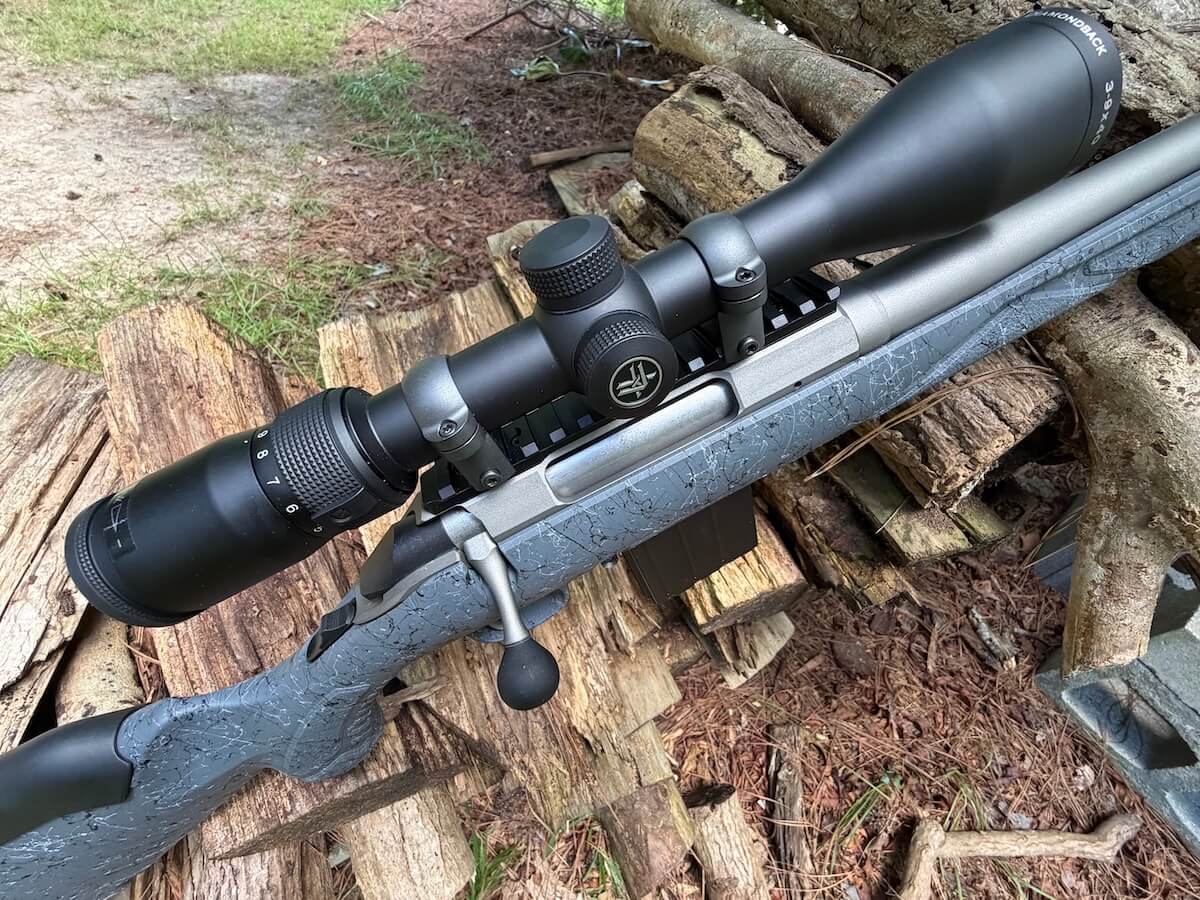
Ruger's American Gen II in 400 Legend put its best group at 0.74 inches at 100 yards in a hands-on review by Robert Sadowski, published November 2, 2026, by GunsAmerica Digest. That number carries weight because the rifle wears features that usually show up on pricier bolt guns: spiral fluted barrels, Cerakote finishes, and an adjustable stock. Ruger built the Gen II as an economy hunting rifle. Sadowski's question was simple. Does the fancier package still shoot? The group answers it. The review centers on the Standard model, one of six Gen II configurations, and it walks through the stock, magazine system, trigger, and bolt in detail.
Key Details
The Standard model ships with a 20-inch barrel that carries spiral flutes and a radial port muzzle brake to tame felt recoil. The 400 Legend and 450 Bushmaster are the exceptions, since those two calibers come without fluting. The finish pairs a gunmetal gray Cerakote barreled action with a dark gray stock and black-and-gray splatter texture. The pistol grip and forend stay slim, which helps with gloves on.
- Length of pull: adjustable from 12 to 13.75 inches using spacers. The rifle ships with the 13.75-inch spacer installed.
- Extra spacers: 12.75- and 13.25-inch units cost $30 separately.
- Comb: a low comb comes standard. Medium and high combs cost $20 each from Ruger.
- Stock weight kit: $99. It counterbalances a bipod or suppressor and adds mass that softens recoil.
- Magazine: the 400 Legend takes a 5-round steel AR-style magazine with an AR-style release forward of the trigger guard.
- Trigger: the Ruger Marksman averaged about 4 pounds with a clean break.
- Bolt throw: 70 degrees, which keeps the hand clear of the optic's eyepiece.
- Action screws: torque to 60-80 in-lbs after reassembly.
Background
The original Ruger American earned its reputation as a dependable, no-frills rifle. Accuracy was solid, and buyers got what they paid for. Ruger's second generation changed the formula. It kept the affordable price point but added adjustable stocks, upgraded finishes, and a magazine well system that accepts different magazine styles. Ruger also refined the design and rebranded the older line as the Glenfield Model A, a move that signals how deliberately the company separated the two generations.
Gen II now spans six models: Standard, Ranch, Predator, Patrol, Prairie, and Scout. Each one changes the barrel or finish. The Scout carries a 16.1-inch barrel, military-style iron sights, and a scout-length Picatinny rail for optics. The Ranch uses a 16-inch barrel to shed weight and bulk. The Prairie runs a bull contour barrel aimed at longer-range work. The Standard covers the broadest hunting use, with the listed game ranging from coyote and wild pigs to whitetail, black bear, and elk.
Why It Matters for Gun Owners
Anyone shopping a budget hunting rifle should pay attention. The Gen II sits in a price tier where buyers often accept a rough stock or a heavy trigger to save money. This rifle asks for fewer compromises, but it also requires some extra spending if your build differs from the factory setup. A shooter with a longer or shorter reach will likely buy spacers. A scope mounted high may need the medium or high comb. Shooters who want a suppressor or bipod should price the $99 weight kit into the total.
The magazine system needs attention too. The 400 Legend magazine protrudes below the stock, so a shooter who cradles the rifle just ahead of the trigger guard will have to adjust the grip. Anyone moving between calibers should confirm which magazine well insert fits the model in hand. If you pull the barreled action to adjust the trigger, use a torque driver. Loose action screws will shift your zero faster than any other mistake on a hunting rifle. Finally, check your state's hunting regulations on cartridge and magazine rules before you commit to a 400 Legend purchase.
DownRange Analysis
A hunting rifle sits at the core of Second Amendment protection, and nothing in the Gen II changes that. Under the history-and-tradition test from New York State Rifle & Pistol Association v. Bruen, a bolt-action carbine chambered for deer and hogs has no meaningful constitutional problem. The legal fights that matter target magazine capacity and assault-weapon definitions, not a budget rifle with a Cerakote finish. The market effect is more practical. When a $500-range rifle picks up adjustable combs, spiral flutes, and a usable trigger, it squeezes the mid-tier brands that charge more for less.
Here is what to do right now. Measure your length of pull before you buy, and order spacers in the same order. Buy the comb that matches your optic height. Test the magazine fit with your hand position, not in a rack. Torque the action screws after any takedown. And if you hunt across state lines, read the rules before you load. A rifle that shoots 0.74 inches at 100 yards earns the attention. Your job is to make sure it fits your hands and your state.