7 Creedmoor Finishes Second in NRL Hunter Open Light, Fourth Overall
Steel Hanson ran a 7 Creedmoor in an NRL Hunter Open Light match and finished second in his division and fourth overall. The rifle fired a 162-grain ELDM at 2,677 fps, producing a 433,674 power factor. Hanson reported the results on November 2, 2026, after his first NRL Hunter match in more than two years. The match course sat in pine-covered hills, and the weather turned overcast with snow and rain. A wildcat cartridge just beat most of the field, and most of that field was shooting the 6.5 Creedmoor.
Key Details
The numbers in Hanson's writeup tell the story. He ran a rifle built to the Open Light weight limit and loaded it hot enough to clear the power factor bar with room to spare.
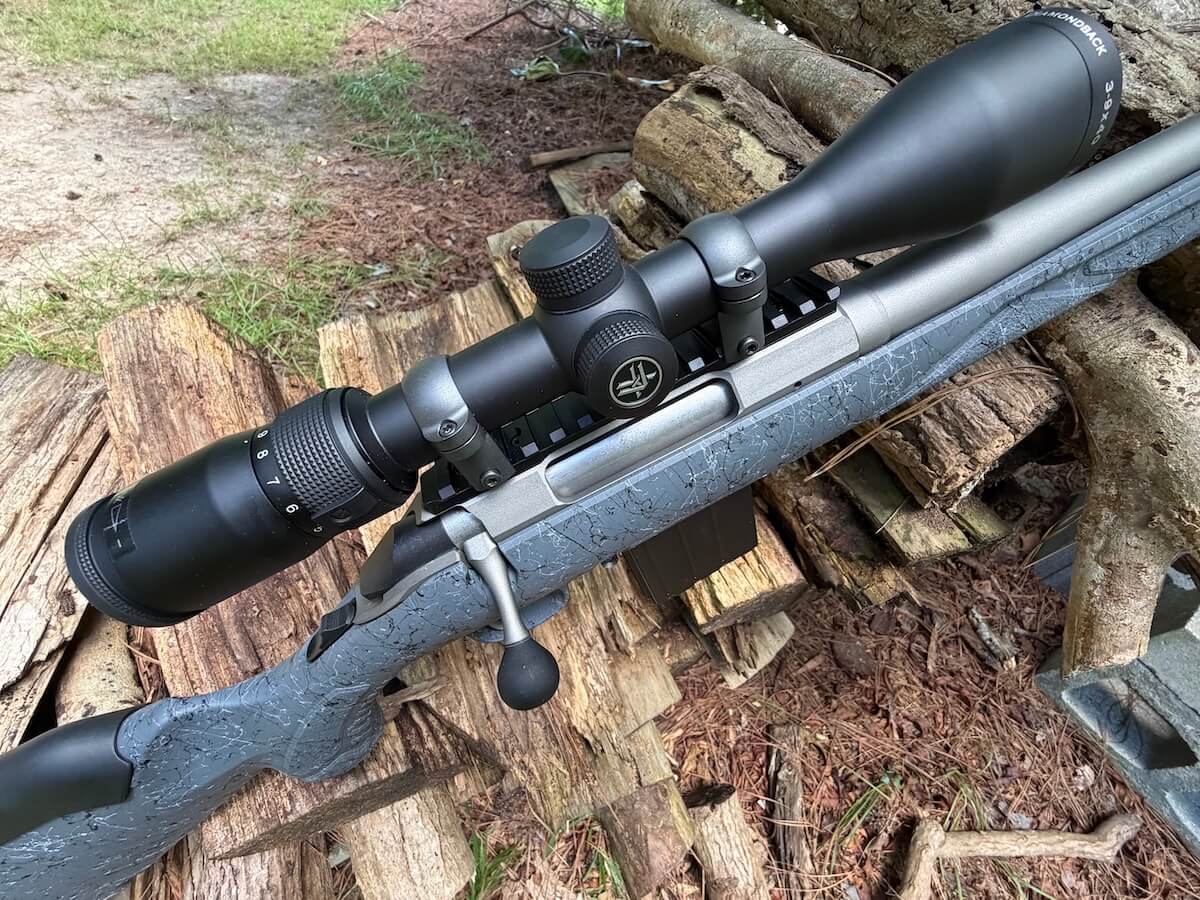
- Division: Open Light requires a complete rifle, optic and accessories included, at 12 lb 10 oz or less when a suppressor is used. Without a suppressor, the limit drops to 12 lb.
- Hanson's rifle: weighed 12 lb 10 oz on the scale before the match.
- Load: 162-grain ELDM at 2,677 fps.
- Power factor: 433,674, calculated as bullet weight multiplied by velocity.
- Minimum: 380,000 to earn NRL Hunter points in Light and Heavy divisions.
- Comparison: a 6 Creedmoor pushing a 115-grain bullet at 3,000 fps produces about 345,000.
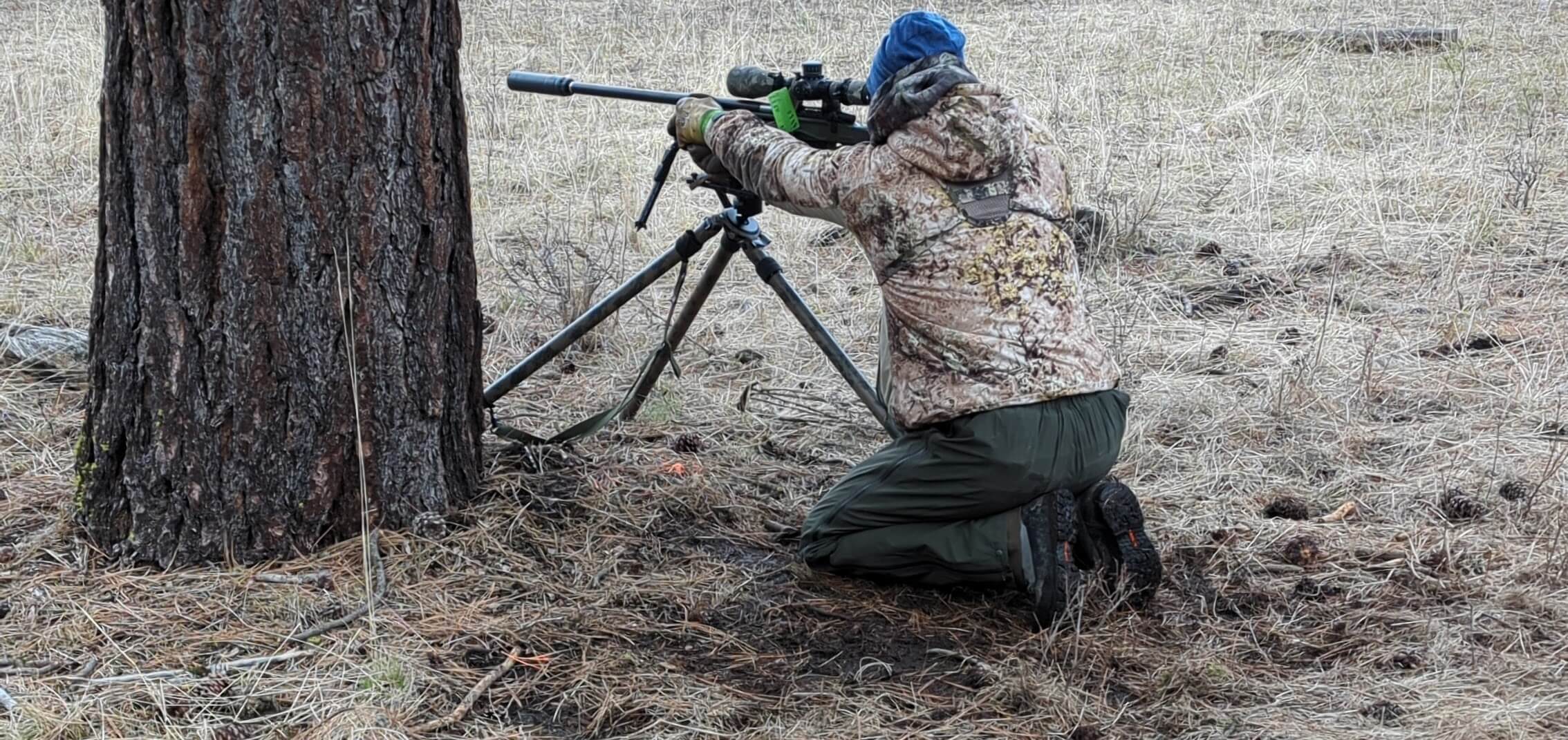
- Targets: placed from 150 yards to just short of 1,000 yards, hidden in shadow, rock, and brush.
- Positions: many stages required shooting from something other than prone, including rocks, logs, branches, and spongy pine-covered ground.
- Standing: Hanson's power factor outpaced every Open Light competitor in the top 15.
Hanson said the extra recoil of the 7mm showed up in a lighter chassis than he would normally pair with it. He called the trade worth it, citing better impact visibility, readable misses, and accuracy he could trust in gray steel conditions.
Background
The 7 Creedmoor is a wildcat. Gunsmiths and shooters build it by necking up a 6.5 Creedmoor case to accept 7mm bullets. It has no SAAMI standard, so chamber specs and load data come from barrel makers and reloaders rather than a published industry spec. Hanson has described the cartridge as a 7mm experiment that grew into a serious match option.
The 6.5 Creedmoor has become the default for long-range hunting and NRL-style competition. Its mild recoil and efficient bullets made it the easy choice for many shooters, and Hanson's writeup confirms that most NRL Hunter competitors still run it. The NRL Hunter power factor rule exists to keep low-energy calibers out of the hunting divisions and to break ties. A larger bullet and higher velocity push a 7mm rifle past that threshold more easily than a 6mm or a 6 Creedmoor.
Hanson's first article on the cartridge covered its use on game from coyotes up to elk-sized animals. This piece shifts to competition, comparing his 7mm barrel against the 6.5mm barrel he normally uses in the same rifle and action.
Why It Matters for Gun Owners
If you shoot NRL Hunter, weight and power factor decide whether your rifle qualifies. Weigh your complete setup, including optic, mounts, and any suppressor, before you register for a match. A rifle that sits even a few ounces over the limit gets no points, no matter how well it shoots. Run the power factor math on your own load with a chronograph, because published velocities rarely match your barrel.
Hunters should pay attention to the bullet choice as well. A 162-grain bullet at 2,677 fps carries more energy than most 6.5mm loads, which matters on larger game at distance. That energy comes with recoil, and a light rifle magnifies it. If you hunt with a featherweight build, test the recoil at the bench and watch how your scope tracks after the shot before you commit to a 7mm.
Reloaders face a different question. A 7 Creedmoor is formed from 6.5 Creedmoor brass, so cases and load data depend on your forming process and barrel specs. Confirm your chamber dimensions with your barrel maker before loading. Watch for pressure signs, especially on hot loads with heavier bullets. If you shoot the match, check the current NRL Hunter rulebook before the event, because rules and weight limits can change.
DownRange Analysis
Bruen does not apply to a match rule. The Supreme Court's test covers government restrictions on arms possession, and NRL's power factor minimum is a private competition standard that shooters accept when they register. The rule has a clear purpose: keep low-energy calibers out of hunting divisions. The math works, and Hanson's numbers show it.
The market signal here is real but narrow. Barrel makers and chassis builders will see more demand for 7mm chamberings in light rifles, especially from shooters who want power factor headroom. That demand does not mean the 6.5 Creedmoor is losing its hold on the sport. Most of the field still shoots it, and it still wins with less recoil.
What should you do right now? If you already own a 6.5 Creedmoor match rifle, do not rebarrel for a power factor edge you may not need. Check your own numbers first. If you are building a new competition gun and you want more energy on target, test a 7mm in the weight class you plan to compete in, and shoot it through a full match before you commit.