NRA Stages Multi-State 2A Day Campaign Across Country
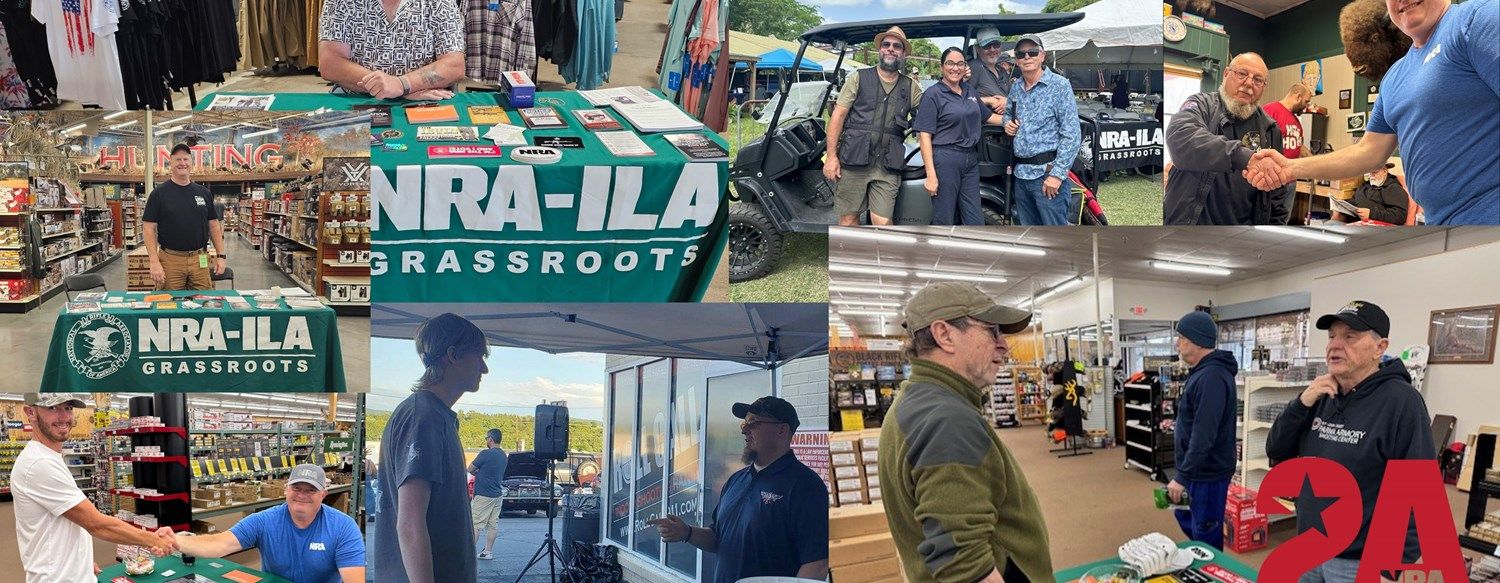
The NRA executed a coordinated grassroots operation with more than two dozen '2A Day' events held across multiple states and Puerto Rico in recent weeks. The national push targets the election cycle ahead, organizing gun owners at the local level to mobilize political pressure on Second Amendment issues. Events spanned the country as part of the NRA's 2A Day initiative, designed to demonstrate voter density and electoral muscle.
Key Details
- 24+ events held across the country and Puerto Rico
- Coordinated timing ahead of election season
- Designed as grassroots mobilization rather than top-down messaging
- Part of broader NRA pre-election strategy
Why It Matters for Gun Owners
These events signal that the NRA is shifting resource toward local, state-level organizing rather than national campaigns alone. For gun owners, this means increased opportunity to connect with other 2A advocates in your area and participate in organized political action. The geographic spread indicates the NRA is targeting both solid pro-gun states and competitive districts where electoral margins matter. Attending these events provides direct access to political intelligence, networking with local leaders, and coordination on ballot initiatives or state-level threats. If you've been waiting for organized opposition to state-level gun restrictions, these events represent the infrastructure activation you've been watching for.
DownRange Analysis
The NRA's 2A Day strategy reflects post-Bruen tactical evolution. Rather than betting entirely on court wins, the organization is building electoral pressure—smart positioning before a presidential cycle. These grassroots events serve dual purpose: generating voter contact data and demonstrating to politicians that gun owners organize, vote, and hold grudges. The inclusion of Puerto Rico suggests the NRA recognizes expanding Second Amendment constituencies beyond traditional mainland strongholds. Gun owners should treat 2A Day events as intelligence-gathering opportunities: they reveal which issues resonate locally and which politicians actually show up. If your state held one, check the attendance numbers and candidate participation—that data predicts which legislative fights matter most in your district.