Bend Dad's Legally Stored Pistol Stopped Silver Rail Shooter
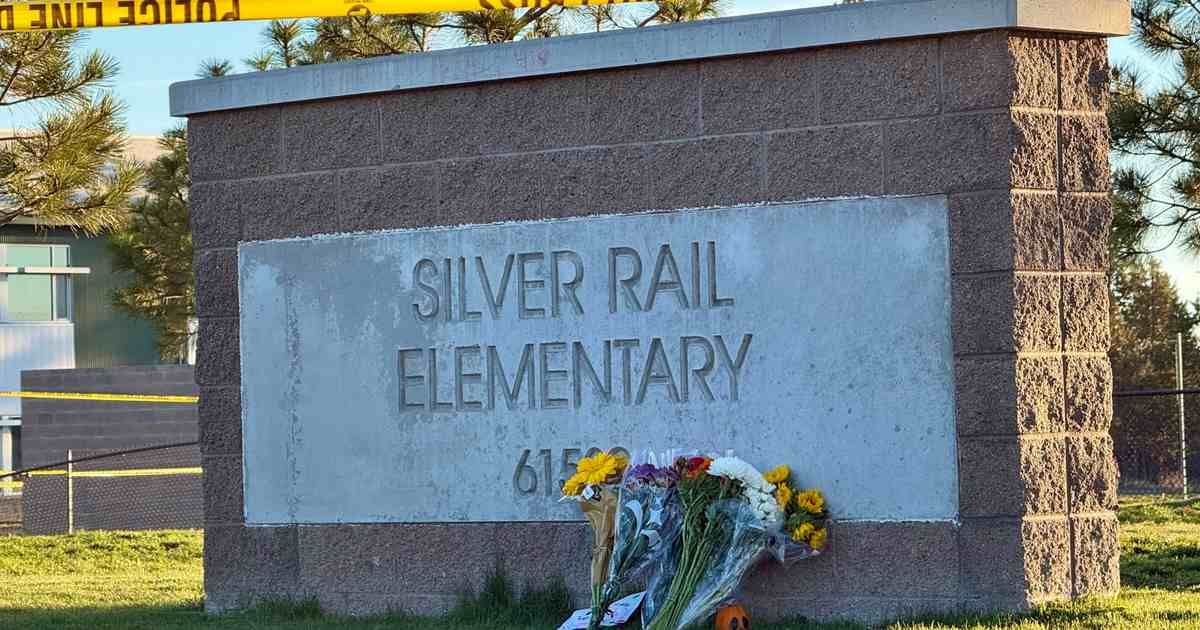
A legally stored pistol ended a school shooting in Bend, Oregon, and Ryan Petty built a full hour around that fact. Petty, a Bearing Arms contributor, a board member of the Citizens Committee for the Right to Keep and Bear Arms, and a Parkland father, filled in for Mark Walters on Armed American Radio earlier this week. He covered the attack at Silver Rail Elementary School, which began last Thursday. A 911 caller reported a kid with a shotgun firing at a truck outside the school at 12:59 p.m. Pacific. The first officers arrived at 1:02. Petty stuck to what was confirmed at the time of broadcast and ignored speculation.
Key Details
Petty opened by promising to separate confirmed facts from rumor, and he kept that promise. He presented a minute-by-minute timeline drawn from official statements and press releases. Here are the figures he cited:
- 12:59 p.m. Pacific: First 911 call, reporting a shotgun shot at a truck outside the school.
- 1:02 p.m.: First officers on scene.
- Three minutes: Length of the violent encounter, which Petty described as the time it took to end the threat.
- Four dead: Three children and a 25-year-old teacher.
- Weapon: A Maverick 88 pump-action 12-gauge shotgun.
- Ammunition: The shooter still carried 44 rounds when officers found him.
- Civilian weapon: A 40-caliber pistol kept in a vehicle, which Bend Police described as legally secured.
Petty identified three people who mattered in the first moments: a man in a pickup truck, a teacher holding a cell phone, and a father with the 40-caliber pistol. The teacher was disarmed when the gunman entered her classroom. She threw her phone at him, tackled him and fought him for the gun. The father retrieved his pistol, entered through the doors the shooter had blown open, and found the teacher in a physical struggle. He fired and hit the gunman several times. Shortly after officers arrived, an officer reported that a community member had shot the suspect.
Background
The Supreme Court's decision in District of Columbia v. Heller (2008) recognized an individual right to keep and bear arms. McDonald v. Chicago (2010) applied that right to the states. In New York State Rifle & Pistol Association v. Bruen (2022), the Court struck down New York's proper-cause requirement for carry permits. The majority also set a test requiring the government to show that a modern restriction matches the nation's historical tradition of firearm regulation.
Since Bruen, states have written new sensitive-place rules, and schools sit near the top of that list. Lower courts have split on how far those rules can reach. In the Second Circuit's Antonyuk litigation, New York's school carry ban survived much of the early challenge. Oregon and other states have built their own school and public-building restrictions, and many of them treat a school parking lot as off-limits for carry. Petty's core criticism is simple: these zones do not stop attackers. They only stop people who follow the rules.
Why It Matters for Gun Owners
Oregon gun owners should read this as a warning about the gap between the law on paper and the law in a crisis. A father who keeps a pistol locked in his truck near a school may face legal exposure if he goes inside with it, even when his intent is to stop a killer. That is the tension Petty described: a rule that asked a man to break it to save lives. Every owner in a state with school carry restrictions should understand the exact boundaries of those restrictions, including parking lots, vehicles and the distance from school property.
The practical steps are narrow. Know where your state bans carry and where it allows storage in a vehicle. Learn the storage requirements for locked, concealed firearms in your car. Keep your permit, insurance and any legal guidance in one place. If you travel through Oregon or any state with school zone rules, check local statutes before you park. A self-defense case in these zones can take months to resolve, and it will be argued in court as much as in the street.
DownRange Analysis
Bruen asks whether a modern gun rule has a historical analog. A rule that bans carry in schools has a stronger modern policy argument than a historical one. Courts will look for founding-era or Reconstruction-era evidence of comparable limits, and that record is thin. The Bend case will not decide the constitutional question. It will, however, give litigators a concrete example of a restriction that failed to deter a shooter and that depended on a civilian breaking it to stop a massacre.
DownRange has one caution. This segment is a podcast recap of official statements, not the police file. Read the Bend Police statements directly before you repeat any detail. What a gun owner should do right now is simple. Audit your carry status and your vehicle storage habits, and know your state's school rules cold. Hope is not a plan, and neither is a sign on a fence.