Ex-Everytown Staffer Annie Andrews Dodges Gun Ban Questions in SC Senate Race
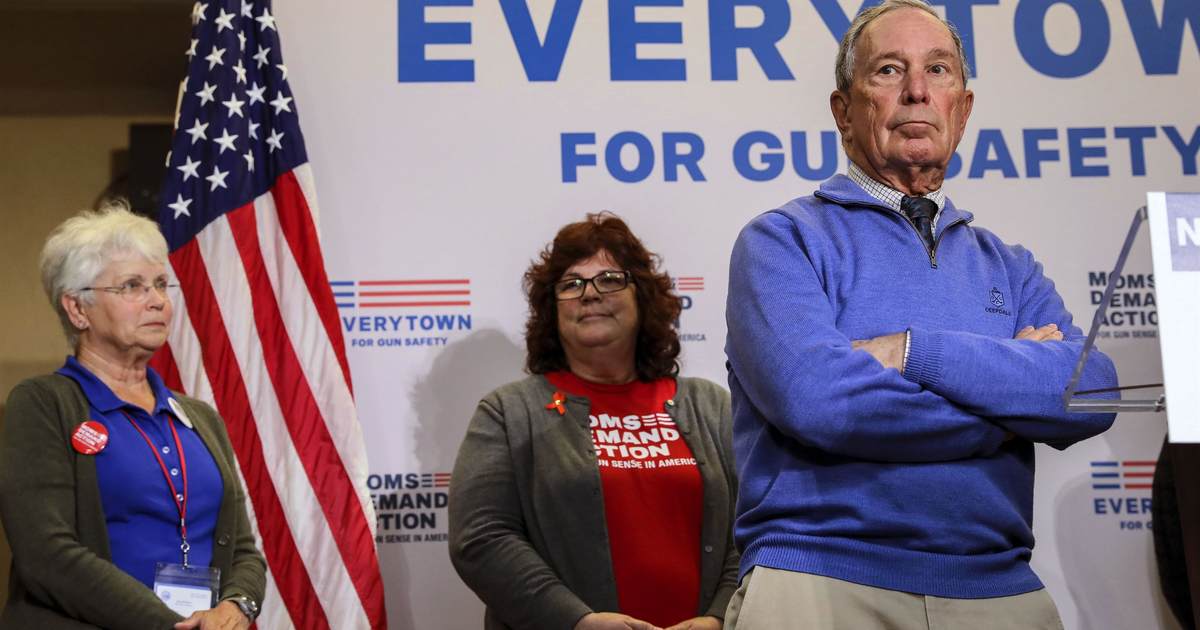
Democrat Annie Andrews, a former employee of Everytown for Gun Safety, trails Republican Darline Graham Nordone by less than three points in South Carolina's U.S. Senate race, according to RealClearPolling's polling average. That gap is narrow enough to worry every Second Amendment voter in the state. Andrews says she supports gun rights. Her written platform says something different. It calls for universal background checks, a ban on 'weapons of war' on public streets, and safe storage mandates. Nordone has made her gun record a central issue, and President Donald Trump raised it at a recent South Carolina rally.
Key Details
The numbers and the record give gun owners plenty to examine. Here is what the reporting establishes:
- Polling: RealClearPolling's average shows Nordone ahead of Andrews by less than three points.
- Andrews's background: She previously worked for Everytown for Gun Safety, a gun control advocacy group.
- Trump's involvement: The president highlighted Andrews's gun positions at a recent rally in South Carolina.
- Nordone's attack: Graham Nordone accused Andrews of working for a group aimed at gutting the Second Amendment. She made the remarks to reporters in Columbia.
- Andrews's stated position: After a town hall in rural Fairfield County, Andrews said she does not want to take anyone's guns. The event completed her goal of visiting all 46 counties.
- The platform: Universal background checks, 'safe storage laws,' 'banning weapons of war,' and more funding for violence prevention and mental health.
- The 'weapons of war' explanation: When pressed, Andrews said she meant military-grade machine guns and weapons of mass destruction. She said those should 'remain limited under existing law.'
That last point matters most. Andrews's explanation describes items that are already restricted. It does not explain why her platform would ban anything. Her answer leaves open what 'weapons of war' means in practice.
Background
The Supreme Court settled that the Second Amendment protects an individual right to keep and bear arms in District of Columbia v. Heller (2008). In New York State Rifle & Pistol Association v. Bruen (2022), the Court set the current test. Modern gun laws must be consistent with the nation's historical tradition of firearm regulation. Courts now ask whether a law fits that tradition, not whether it advances a policy goal.
Machine guns already face heavy federal restriction. The National Firearms Act of 1934 required registration and taxation of these items. The Hughes Amendment of 1986 barred new civilian transfers of machine guns made after that date. Andrews's reference to 'existing law' points to this framework.
South Carolina changed its own rules two years ago. Its constitutional carry law lets adults carry a handgun without a permit. Nordone's campaign is using that law as a reminder of what a Senate vote could protect or threaten. Everytown and similar groups have pushed for universal background checks and storage mandates in statehouses across the country for years.
Why It Matters for Gun Owners
South Carolina gun owners carry the immediate stakes. A U.S. senator does not write state carry law, but a federal senator votes on federal firearms policy, judicial nominations, and appropriations. A Senate majority decides which bills reach a floor vote. If Andrews wins and Democrats control the chamber, background check expansions and storage mandates move from campaign talking points to real legislative proposals.
The storage issue deserves close attention. Andrews's platform describes 'safe storage laws,' and the broadest versions Everytown has championed require firearms to be locked or unloaded unless the owner or an authorized user controls them directly. A gun owner who keeps a loaded carry gun at the nightstand would face a direct conflict with those rules. Watch for specific bill text, not slogans.
Universal background checks also carry registry concerns. Opponents argue that recordkeeping for private transfers creates a database that can later support confiscation. Whether that happens depends on the statute's wording. Read any bill for language on recordkeeping, retention, and who can access the data.
DownRange Analysis
Andrews's answer on 'weapons of war' fails the basic test of a straight answer. If she believes the category should stay limited to machine guns and destructive devices, she should say the platform does not call for an AR-15 ban. She did not say that. Groups like Everytown have repeatedly used 'weapons of war' to describe commonly owned semi-automatic rifles. Voters should ask her directly whether she supports banning those rifles.
Under Bruen, a universal background check mandate with a registry component would face a text-and-history challenge. Lower courts have mostly upheld background check requirements for licensed sales, so the fight would center on private transfers and recordkeeping. A storage mandate of the strictest kind would also face sharp scrutiny. Gun owners should not assume the courts will stop bad laws. They need to win the Senate race and the statehouses.
Practically, gun owners in South Carolina should do three things now. Confirm your voter registration and the polling location. Ask Andrews and her surrogates, in writing or at public events, whether she supports banning semi-automatic rifles and whether a background check bill would require a registry. Share the questions with your local club and your network. Waiting for the press to ask the right questions is a losing strategy.