Six Million Kids at Risk? The Trace's Lead Claim Overreaches
The Bloomberg-funded outlet The Trace says six million American children live in homes with people who shoot lead ammunition and skip post-range hygiene. The claim ran in the October 21 edition of its newsletter, The Bulletin, under public-health reporter Fairriona Magee. The number comes from a Harvard T.H. Chan School of Public Health research line that ties higher firearm licensure rates in an area to higher blood lead levels in children who live there. That study measures an association between two population-level figures. The Bulletin turns that association into a household-level child-safety emergency, and the gap between those two things defines this story.
Key Details
The core facts are specific, and they are thinner than the headline suggests.
- Publication: The Bulletin, The Trace's newsletter, Oct. 21 edition.
- Author: Fairriona Magee, public-health reporter.
- Central claim: Six million children in the U.S. live in homes where people use firearms with lead-based ammunition but skip post-shooting hygiene.
- Study source: Harvard T.H. Chan School of Public Health, which has published work linking higher licensure rates to higher child blood lead levels.
- Expert quoted: Christian Hoover, listed on LinkedIn as a co-investigator on the Firearm Exposure Research Team at Harvard T.H. Chan. He told Magee the risk is larger than people assume.
- Hoover's advice: Change clothes after range time, keep range gear out of the house, and treat lead-ammunition use as a toxic exposure.
- What the article omits: Any distinction between indoor and outdoor shooting, and any mention of range hygiene rules already in common use, such as D-Lead soap, no eating or drinking on the line, dedicated range clothing, and wiping down gear.
The Bulletin also blurs three separate categories. "At risk" describes a population condition. "Measurably exposed" describes a child who absorbs lead. "Actually elevated" describes a blood test result above a clinical threshold. The study supports the first category. The headline implies the third.
Background
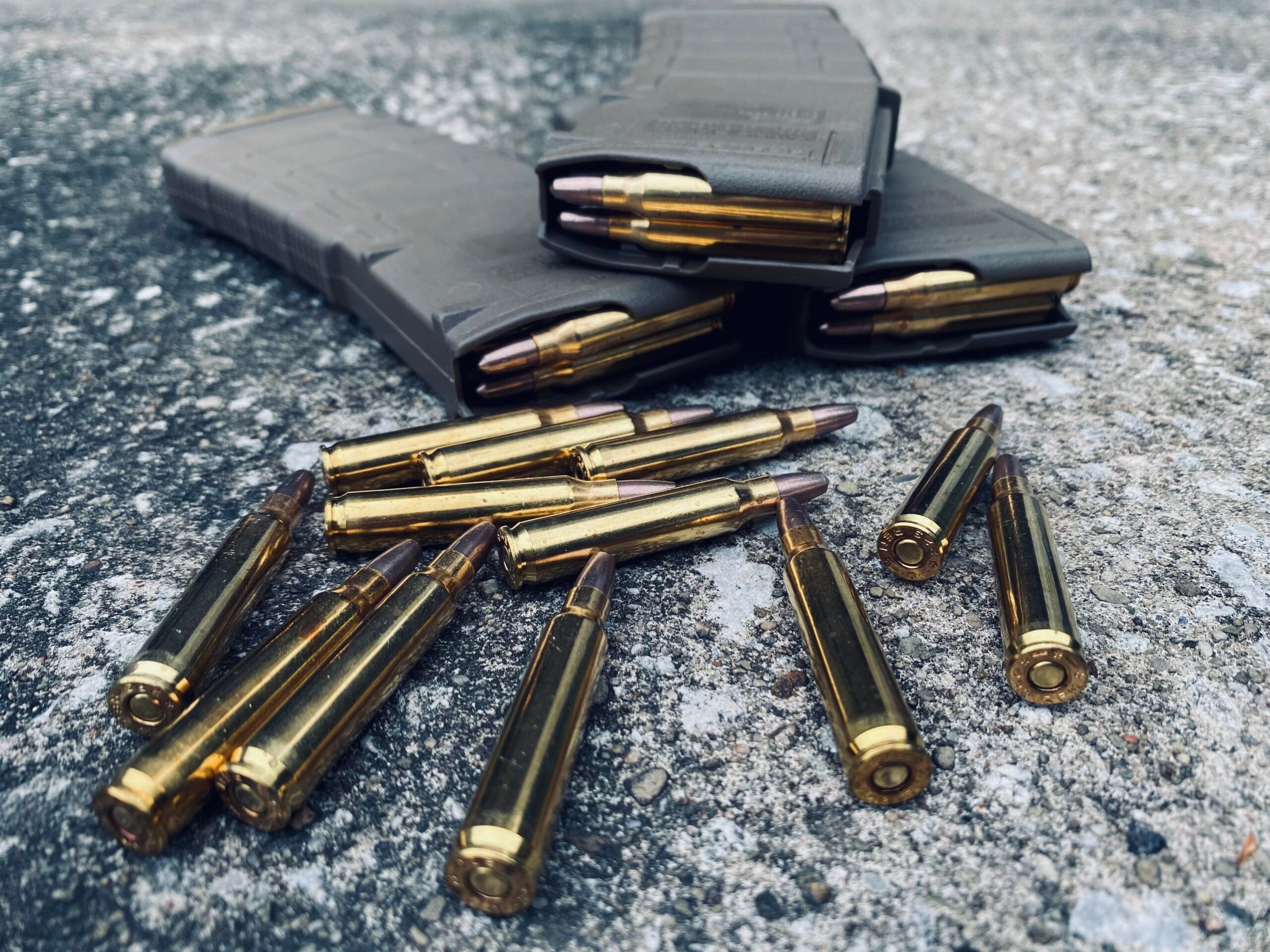
Lead bullets dominated American shooting for well over a century. Copper-jacketed and solid copper projectiles only became mainstream in the last few decades, and hunters and competitors moved to them for performance and environmental reasons. Range operators have trained staff and members on lead hygiene for years, and the rules Hoover named are the same ones found in most basic firearms courses. Nothing in that record suggests a hidden pediatric crisis. Regulators have not waited for one either. California has required nonlead ammunition for hunting in condor range, and since 2019 it has extended that requirement to most hunting statewide. The Trace has a track record of pairing public-health research with policy goals. Its recent pieces include an attempt to link climate change to American shootings. The pattern is consistent. Take a real hazard, attach it to firearms, and frame the result as a crisis that requires new rules. Lead exposure is a real occupational health issue. Relevant context for this story also includes New York State Rifle & Pistol Association v. Bruen, decided in June 2022, which requires gun laws to match the nation's historical tradition of firearm regulation. A study about population correlations does not map cleanly onto that test.
Why It Matters for Gun Owners
Indoor range shooters carry the most direct exposure. Poorly ventilated bays concentrate airborne lead dust, and a shooter who leaves the range in the same clothes drives that dust home. Families are the second group. A shooter who hugs a child, rides in a car with a toddler, or launders range clothes with household laundry carries the risk into the house. Parents who shoot frequently, reload, or clean lead-fouled firearms in shared spaces face the highest practical exposure. What to do now is straightforward. Change clothes before entering the house. Keep range bags in the garage or vehicle, not the living room. Wash range clothes separately. Wash hands and face with soap before eating, and skip eating or drinking on the firing line. Ask indoor ranges about their ventilation systems and cleaning schedules. Watch for a second wave of this argument in local and state policy, including proposals that cite this study to restrict lead ammunition at indoor ranges or to add fees and disclosures to lead ammunition sales. Those proposals would arrive as child-safety measures, which makes them harder to debate on the merits.
DownRange Analysis
The hygiene advice is sound, and every serious shooter already follows most of it. The policy leap is where this story fails. A correlation between licensure rates and blood lead levels at the population level does not show that a specific household faces meaningful exposure. Under Bruen, a state that tried to ban lead ammunition for general civilian use would need a historical analogue. Lead ammunition has been the default for generations, and that history cuts against a sweeping ban. A narrow rule tied to indoor ventilation standards or range cleaning protocols would stand on firmer ground than a blanket prohibition. For gun owners, the market signal is cost. Copper bullets run higher per round than lead, and mandated switches would raise ammunition prices for everyone. Buy copper or lead-free options if you want them, and do the math on your own volume before you switch. Right now, the actions that matter are the ones you control: change clothes, wash up, and keep range gear out of the house. Those steps cost five minutes and no legislation. Put them in the routine and keep the policy fight on the record.