Paris Shopkeeper Had No Gun While Police Watched Riots Burn
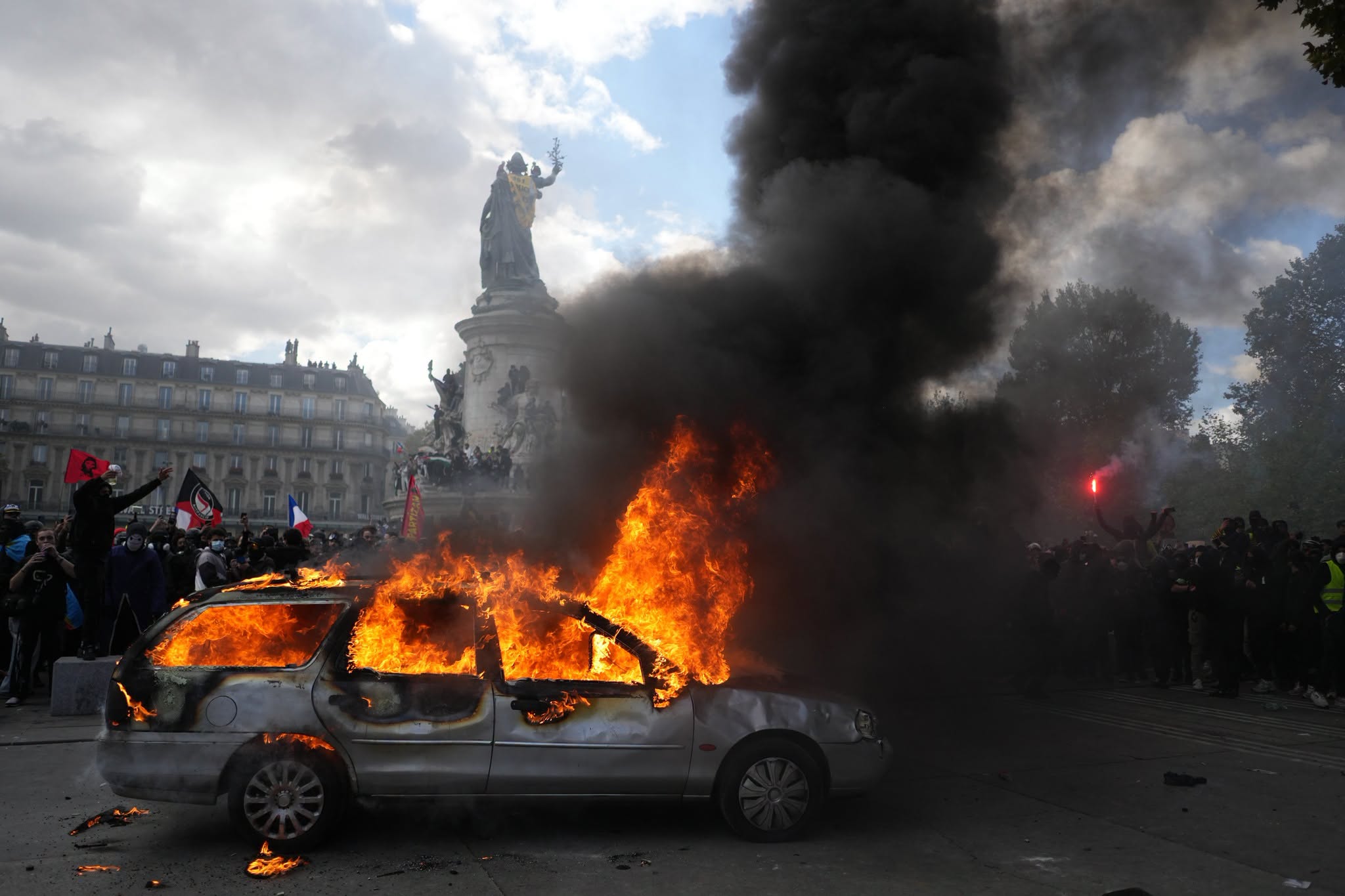
Masked rioters emptied a Paris shop while the owner stood inside and argued with them, and she had no realistic way to stop them. According to TTAG's account of Sunday night's violence, arson and looting spread across Paris while French police had limited capacity to contain it. The same report says President Emmanuel Macron and his wife were at a Céline Dion concert that night. The shopkeeper almost certainly had no firearm. French law restricts gun ownership so tightly that a lawful owner of a bolt-action rifle still cannot carry it, keep it loaded, or keep it within reach. The episode now anchors an American argument for the Second Amendment, and that argument rests on a 2008 Supreme Court decision.
Key Details
The source describes a chain of French requirements that starts with a basic sporting long gun and ends with a locked, unloaded firearm. Here are the specifics it lists:
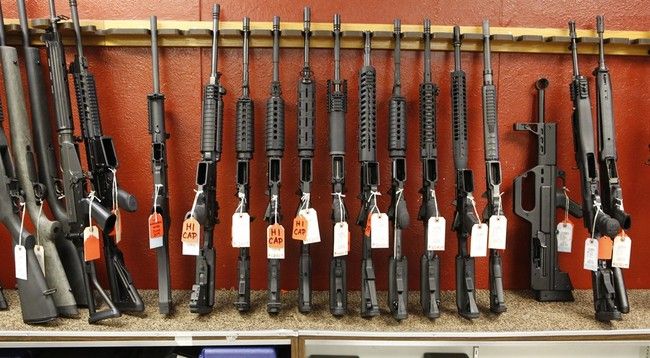
- Eligible firearms: Handguns face far tighter rules. Semi-automatic rifles are off the table for most citizens. The realistic option is a bolt-action hunting rifle or shotgun.
- Applicant requirements: Applicants must be at least 18, pass a criminal background check, and complete government-approved firearms safety training.
- Medical and mental health: Applicants must pass a medical exam and a separate mental-health screening.
- Membership: Applicants must hold an active hunting license or belong to a licensed shooting club.
- Wait times: Applications can take months or years. Some applicants get denied without explanation.
- Carry ban: Concealed carry is illegal outright.
- Storage rules: A gun safe is mandatory, and ammunition must be stored separately from the firearm.
- Inspections: Police can inspect an owner's home whenever they choose.
- Penalties: Storage or carry violations bring heavy fines, firearm forfeiture, and prison terms measured in years.
Background
The American side of this comparison begins with D.C. v. Heller, decided in 2008. Washington, D.C. passed its Firearms Control Regulations Act in 1975. That law banned handgun ownership in most cases and required any legally owned firearm in the home to be stored unloaded and either disassembled or secured with a trigger lock. Dick Heller, a D.C. special police officer authorized to carry on duty, was barred from keeping a handgun at home. He applied for a permit, was denied, and sued.
Justice Antonin Scalia wrote the 5-4 majority, joined by Chief Justice John Roberts and Justices Anthony Kennedy, Clarence Thomas, and Samuel Alito. The Court held that the Second Amendment protects an individual right to keep arms in common use for lawful purposes, including home defense. Justice John Paul Stevens dissented, and Justice Stephen Breyer wrote a separate dissent joined by Souter, Ginsburg, and Stevens. Two years later, McDonald v. City of Chicago applied the right against state and local governments. In 2022, New York State Rifle and Pistol Association v. Bruen struck down New York's proper-cause requirement for carry permits and set a text, history, and tradition test for gun laws.
Why It Matters for Gun Owners
Heller protects the core act of keeping a usable handgun at home. Any state that forces owners to store a home-defense gun disassembled or unloaded now faces a serious constitutional problem. Owners in states with strict storage mandates should read their statutes closely. California and Massachusetts both have storage laws, and a careless reading of them can turn a defensive setup into a criminal case. Owners in New York, Massachusetts, and the District of Columbia face the harder fight. There, permit regimes, hardware bans, and ammunition rules still limit what the Second Amendment permits in practice. Travelers should also understand that France and most European countries will not let a visitor bring a firearm in on a casual basis. Import requires advance permits and paperwork. Assume no firearm crosses the border without a plan that the destination country has approved.
DownRange Analysis
Heller survives Bruen, and the reason matters. Bruen asked whether a modern gun law fits the nation's historical tradition of firearm regulation. Courts have since treated home self-defense as the center of that tradition. That gives lawyers a stronger foundation than the policy arguments that dominated gun cases before 2008. The Paris story is vivid, but it is still one outlet's account. Check French press reports before repeating the details about the shopkeeper and the concert. The argument stands on the French gun statute, not on the riot footage. Gun owners should do three things now. First, confirm your state's storage and carry rules against current statutes. Second, support litigation that challenges permit delays and hardware bans in your state. Third, keep your home defense setup legal, accessible, and documented, because a right you cannot exercise in a crisis is only a theory.