Gun Control Groups Object as ATF Shifts Its NFA Stance
Gun control advocates are openly unhappy with the Bureau of Alcohol, Tobacco, Firearms and Explosives and its new direction on the National Firearms Act. The complaints surfaced in reaction to the agency's changing posture on NFA-regulated items, and the tone from the anti-gun side makes the point clear. Something shifted, and they did not like it.
The source commentary comes from longtime gun writer Tom Knighton at Bearing Arms. Knighton describes the new direction as relatively good news for gun owners. He also flags that it is not without problems, and he promised a follow-up analysis later the same day. This report covers the core development and what it means for those who own, buy, or build regulated firearms.
Why It Matters for Gun Owners
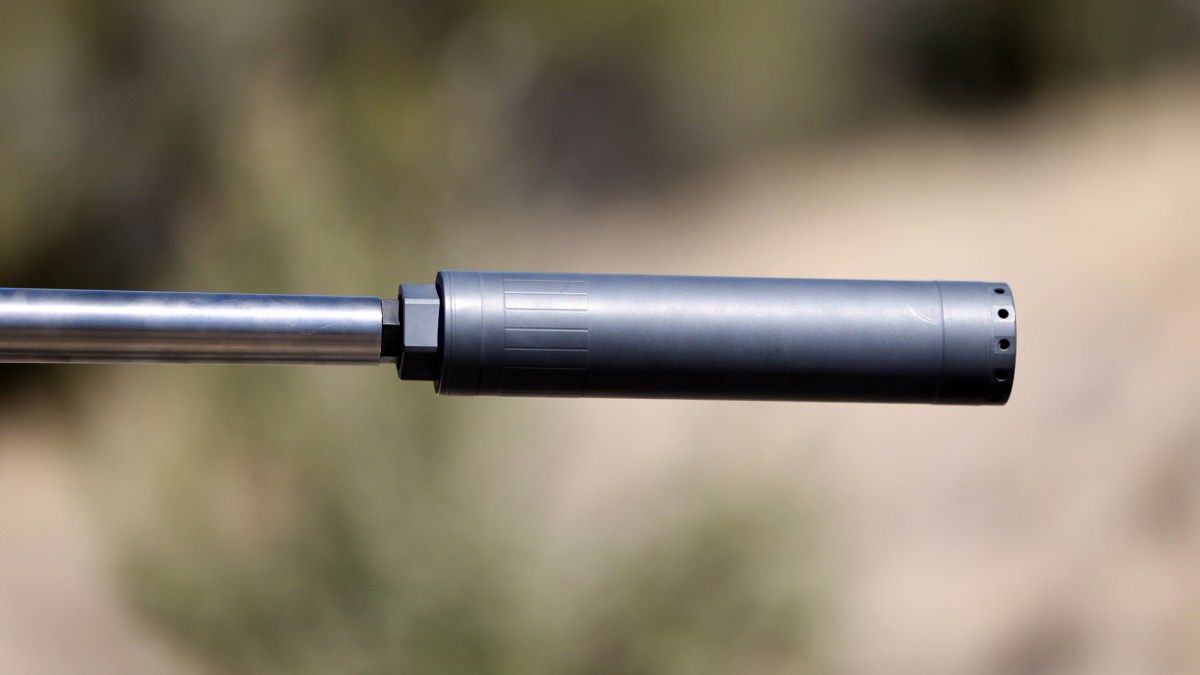
The NFA governs short-barreled rifles, short-barreled shotguns, suppressors, machine guns, and other items that carry a federal tax stamp and registration requirement. Any change in how ATF interprets or enforces that framework affects real purchases, real transfers, and real paperwork. Owners who have waited months for approvals know how much a shift in agency posture can matter.
When gun control groups complain loudly about a federal agency, that complaint is useful information. Groups like these generally push for tighter restrictions, so their dismay usually signals that the agency has moved away from restriction. For owners, that movement points toward less friction on lawful ownership. It does not guarantee permanent relief, because a future administration or a court ruling can reverse course.
Practical questions follow directly. Will processing times improve? Will interpretations of what counts as a regulated item loosen or stay fixed? Will the agency issue clearer guidance that dealers and individual buyers can rely on? Knighton's note that problems remain suggests owners should not celebrate too early. The details matter, and the follow-up analysis is where those details will surface.
Background
The NFA dates to 1934, when Congress responded to Prohibition-era gangland violence by taxing and registering certain firearms. The 1968 Gun Control Act and the 1986 Firearm Owners Protection Act reshaped federal firearms law, and the NFA remained a separate, heavily regulated category. The $200 transfer tax on many NFA items has stayed in place for decades, and the registration system has drawn criticism from owners who view it as outdated.
ATF administers the NFA, and its interpretations determine how the law works day to day. Agency leadership changes alter those interpretations, sometimes sharply. Each administration brings its own priorities, and firearms policy has swung back and forth accordingly. Owners have learned to track ATF rulings closely because a single determination can reclassify items or change what a buyer needs to do.
Gun control organizations monitor the same agency and respond quickly when they see policies they dislike. Their public reaction in this case indicates the agency's new direction departs from the restrictive approach those groups prefer. The contrast between the two camps offers a rough measure of how far the shift extends.
DownRange Bottom Line
The shift at ATF looks favorable for NFA owners, and the anti-gun reaction supports that reading. Still, favorable does not mean finished. Knighton himself flagged remaining problems, and owners should read the follow-up analysis before drawing firm conclusions. Watch for written guidance, not just statements, because written guidance is what dealers and buyers actually operate under.
Keep your paperwork organized and your eligibility documentation current. Track any changes to tax stamp processing and transfer timelines. And remember that policy at ATF can move again. Enjoy the wins, verify the details, and stay ready for the next change.