Anti-Gun Amicus Briefs in Viramontes Reveal Plan B for Bans
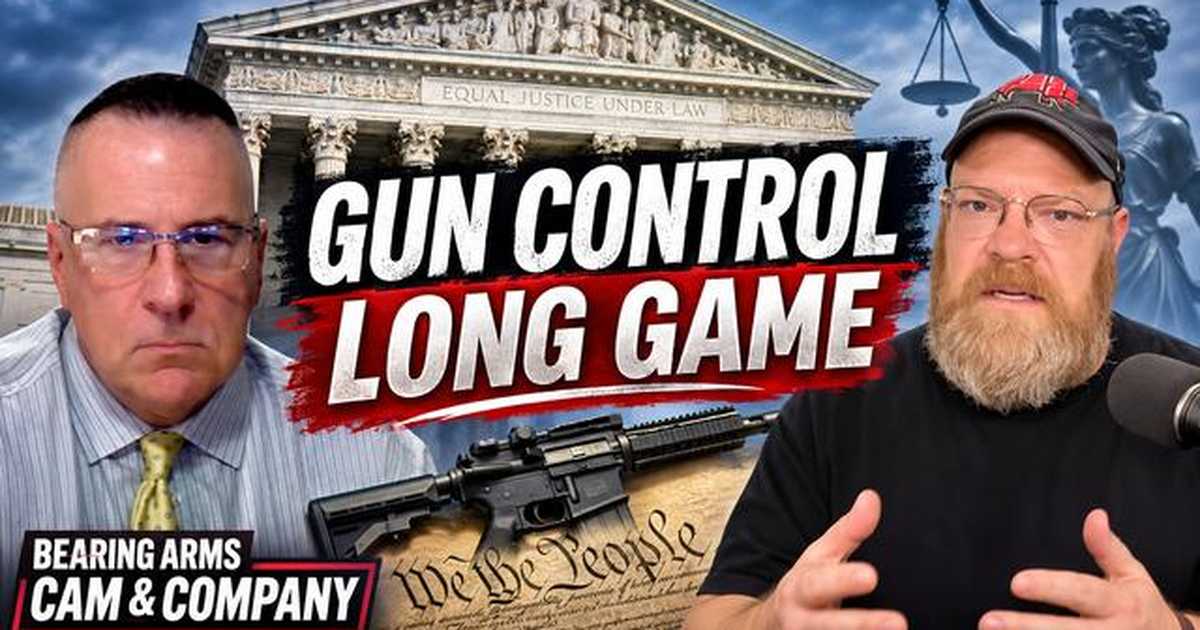
Massachusetts firearms attorney William Smith says the anti-gun amicus briefs filed in Viramontes expose what gun control groups intend to do if courts strike down “assault weapon” bans. Smith joined Bearing Arms host Cam for a discussion published November 5, 2026. His core point: these filings do more than defend the laws on the books. They sketch a second phase for the day those bans lose. Gun owners should read the briefs as a roadmap, not a routine legal defense of a single ordinance.
Key Details
The interview centers on the amicus briefs submitted in Viramontes, a challenge to Cook County’s restrictions on so-called assault weapons in Illinois. Smith and Cam focus on what those briefs reveal about the gun control lobby’s thinking beyond the immediate case. The discussion treats the filings as evidence of long-term planning rather than a one-off argument about a single ban.
- Case: Viramontes, a challenge to Cook County’s assault weapons restrictions
- Guest: William Smith, Massachusetts firearms attorney
- Host: Cam, Bearing Arms
- Published: November 5, 2026
- Focus: The gun control lobby’s long-term plans if “assault weapon” bans are struck down
The episode does not center on a new ruling or a new statute. It centers on what anti-gun groups put in writing as they defend the ban. Gun owners who follow Second Amendment litigation know that amicus briefs often reveal more about an advocacy movement’s goals than the parties’ own filings do. Amici speak for coalitions, and their arguments show where those coalitions expect the law to go next.
Background
The Supreme Court’s 2008 decision in District of Columbia v. Heller held that the Second Amendment protects an individual right to keep and bear arms, including handguns for self-defense in the home. The Court also said that some regulations remain presumptively lawful, and it described “dangerous and unusual” weapons as a category the government may restrict. Gun control advocates have built much of their post-Heller strategy around that language, arguing that modern rifles such as the AR-15 fall into it.
In 2022, New York State Rifle & Pistol Association v. Bruen replaced the lower courts’ interest-balancing approach with a text, history, and tradition test. Under Bruen, the government must show that a modern firearms regulation fits within the nation’s historical tradition of firearm regulation. That shift forced cities and states to defend bans with historical analogues, and it has made assault weapon prohibitions a central battleground. Several circuit courts have ruled on these bans since Bruen, and the outcomes have split. Litigation over these laws now reaches the high court, and the justices have repeatedly declined to take up some of the cleanest vehicles.
Why It Matters for Gun Owners
Anyone who owns a modern sporting rifle in a ban jurisdiction should pay attention to how the other side plans its next move. If a court strikes down an assault weapons ban, opponents rarely stop. They pivot. Expect the next target to be magazine capacity limits, feature-based definitions, registration schemes, or new licensing requirements aimed at the same firearms. A win in Viramontes would not end the fight over Cook County. It would only move the fight to the next statute.
Owners in Illinois, Massachusetts, and other states with similar restrictions face the most immediate exposure. Those who own a rifle that matches a banned feature list should document their firearms, keep purchase records, and understand which compliance paths their state offers. Gun owners outside those jurisdictions should watch these cases closely, because a favorable or unfavorable ruling will ripple into their own state legislatures within months. Sign up for case alerts from the major Second Amendment litigation groups, and keep your state representatives informed when a bill mirrors the language these briefs promote.
DownRange Analysis
The briefs matter because they reveal intent. Anti-gun groups do not file amicus briefs to protect one ordinance. They file them to build a record, shape judicial thinking, and set up the next legislative package. Under Bruen, the burden sits on the government to prove historical analogues, and that burden is heavy for features that did not exist when the Second Amendment was ratified. Our read: the strongest challenges focus on whether these rifles are in common use, which Heller and later cases treat as a central question.
Gun owners should not treat a court victory as the end of the story. Support the litigation groups carrying these cases, document your lawful ownership, and contact your legislators before a replacement bill gets drafted. Read the amicus briefs yourself. The arguments the other side makes in writing will tell you what they plan to ask for next.