Virginia Passed 25 Gun Laws in One Session. Expect Copycats.
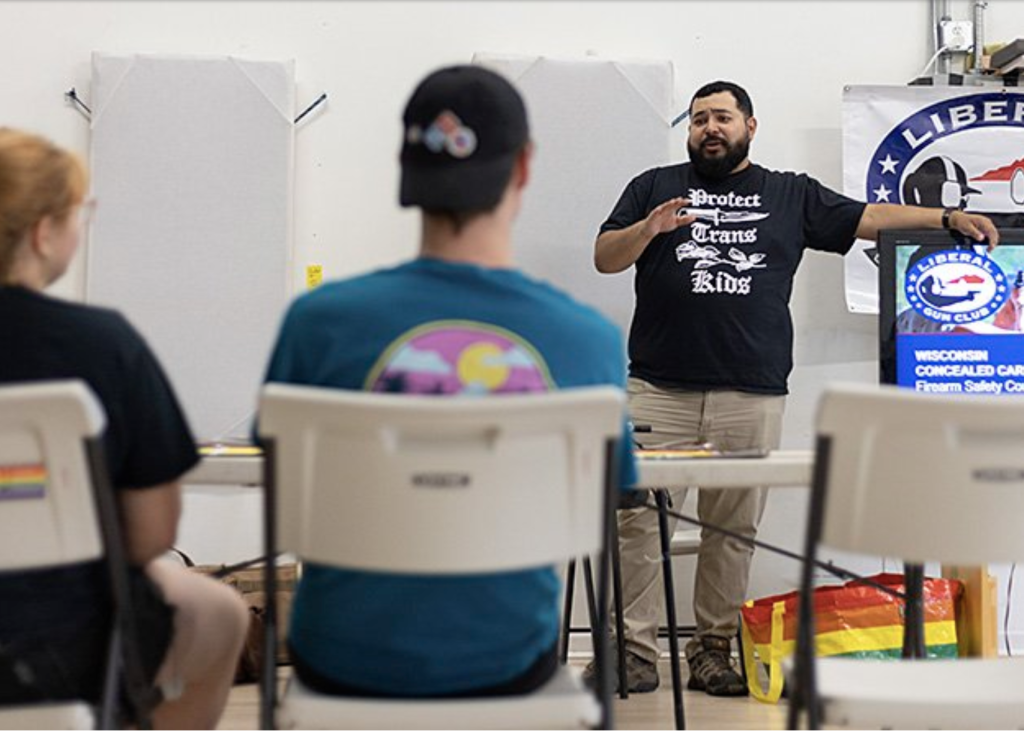
Virginia Democrats passed 25 gun reforms before their session closed on March 13, 2026. The package included an assault-style weapons ban and a 15-round magazine limit. Governor Abigail Spanberger, who won the job in November 2025, gave the party a governing trifecta in Richmond. Massachusetts voters went further on Election Day. They approved Question 9 with 68.6% of the vote, which locks the state's 2024 gun law into place. A self-described liberal gun owner read those numbers the day after the 2026 election and asked a forum whether his rifles are next. The answer is yes. States are already doing it, and the lawmakers involved say they have four years to finish.
Key Details
The Virginia package reached the finish line during a single legislative session. Its main provisions are listed below.
- 25 gun reforms passed before the session ended on March 13, 2026.
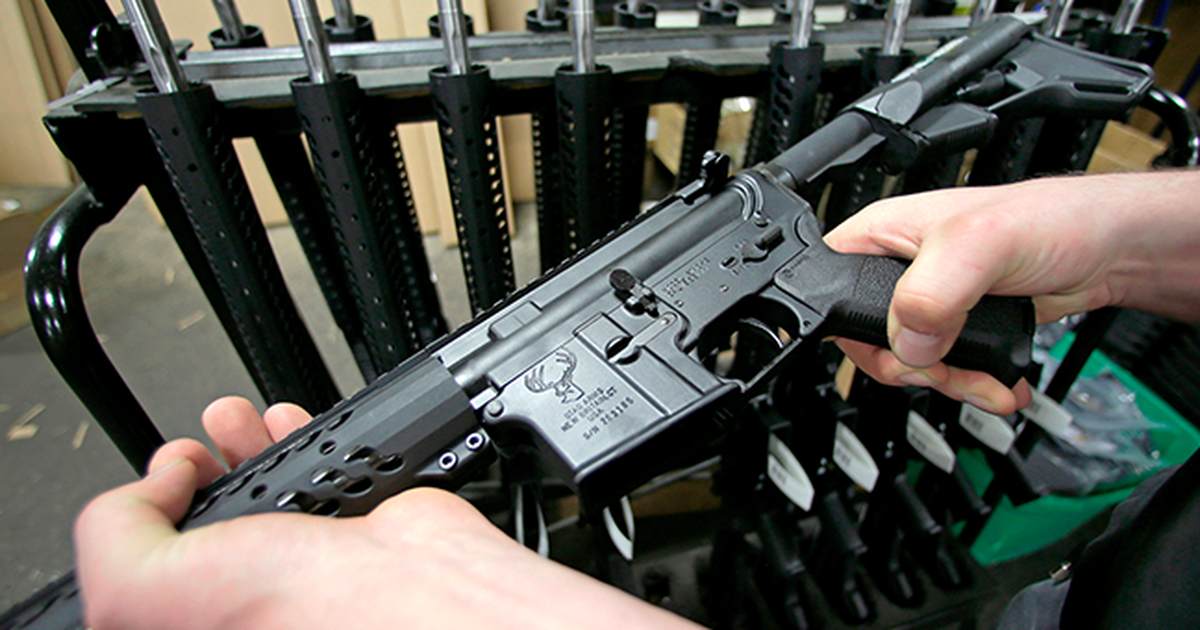
- A ban on assault-style weapons and magazines holding more than 15 rounds.
- New penalties for failing to store firearms safely.
- Minimum purchase ages for handguns and rifles.
- An expanded red flag law allowing removal of firearms from people deemed dangerous.
- A ban on unserialized firearms, commonly called “ghost guns.”
Saddam Azlan Salim, the state senator who carried the assault weapons ban, told The Trace that his caucus spaced out its wins on purpose. He said they did not want to look like they were going too far with too many bills at once. His caucus understood the term ran four years, so the bills could come one at a time.
Massachusetts moved through the ballot box. Question 9 passed on Election Day with 68.6% support. It保留 the state's 2024 gun law, which requires registration for nearly every firearm in the state. That law bans more assault-style weapons and rapid-fire trigger activators. It raises the minimum license age from 18 to 21 and adds red flag provisions.
The forum poster asked three questions. He wanted to know which states will tighten rules now that Republicans are out of power. He asked whether the numbers exist to push federal measures. He also asked whether Congress might repeal the so-called “NFA windfall” from earlier this year.
Background
The Supreme Court set the current test for gun laws in New York State Rifle & Pistol Association v. Bruen (2022). Under that ruling, the government must show that a regulation fits within the nation's historical tradition of firearm regulation. The decision built on District of Columbia v. Heller (2008) and McDonald v. Chicago (2010), which recognized an individual right to keep and bear arms. Lower courts have spent the years since Bruen sorting out which modern laws survive that history test.
The “windfall” the poster mentioned comes from the 2025 federal budget reconciliation law. Beginning January 1, 2026, the $200 federal tax on suppressors, short-barreled rifles, short-barreled shotguns, and other NFA items dropped to $0. The registration requirement stayed in place. Repealing the $0 tax would not automatically restore the registration burden, but any change to the NFA still requires an act of Congress.
Massachusetts' 2024 law was signed as a response to the state's rising gun crime debate and built on existing state licensing rules. Virginia's package extends a model that other blue states have used since the 2010s, from magazine limits to red flag orders.
Why It Matters for Gun Owners
If you live in Virginia, your Second Amendment rights now depend on the new statute's text and definitions. An assault weapons ban and a 15-round magazine limit will define which rifles and magazines you can keep, sell, or transport. Read the exact list of covered firearms and any grandfather or transfer provisions before you buy or sell anything. Storage penalties also apply to households, so review how you secure guns at home and in vehicles.
Massachusetts owners already face a registration and licensing system that could expand. Anyone who holds a license or owns a pre-2024 firearm should check whether it now falls under the state's registration rules. Owners between 18 and 20 in that state should understand that the age-21 license threshold applies to them now.
Watch the federal side too. Any federal assault weapons ban or magazine limit would need 60 Senate votes to clear the filibuster. Repealing the $0 NFA tax or adding new registration requirements would also need a congressional majority. Track your senators and representatives, and watch for the NRA, Firearms Policy Coalition, Second Amendment Foundation, and Gun Owners of America to file suits.
DownRange Analysis
Virginia's package will test Bruen hard. The Fourth Circuit, which covers Virginia, upheld Maryland's assault weapons ban en banc in Bianchi v. Brown (2024). That ruling gives the state a favorable backdrop. The Supreme Court declined to take up a similar challenge in Snope v. Brown in 2025, but Justice Kavanaugh wrote that the Court should address the issue soon. Expect Virginia's magazine limit and rifle ban to draw fast litigation. Expect the outcome to depend on whether the history analysis gets sharper.
Market effects will show up first in ghost gun kits, magazines over 15 rounds, and the specific rifles on the banned list. Dealers in Virginia will see demand shift before any court rules. Buying in a panic rarely pays off. Buy what you need now, and keep your receipts, serial numbers, and bill of sale on file. Documentation matters if a law changes the status of a firearm you already own.
The practical move for gun owners in Virginia and Massachusetts is simple. Read the statute, join your state's gun rights group, and contact your legislators before the next session. For everyone else, this is the template. Assume your state legislature will copy it when it gets the votes.