ATF Warehouses 17,000+ Firearms at West Virginia Facility
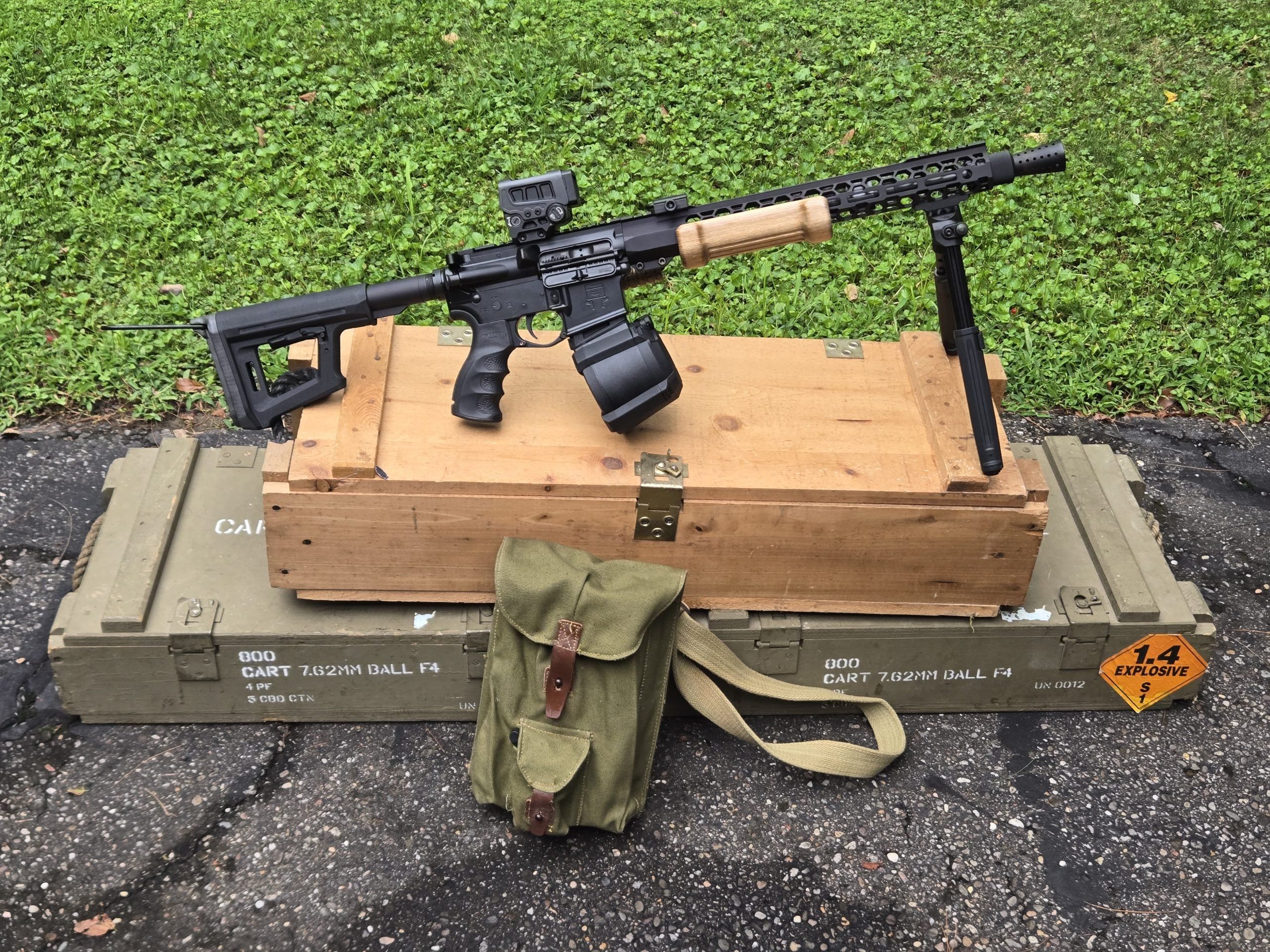
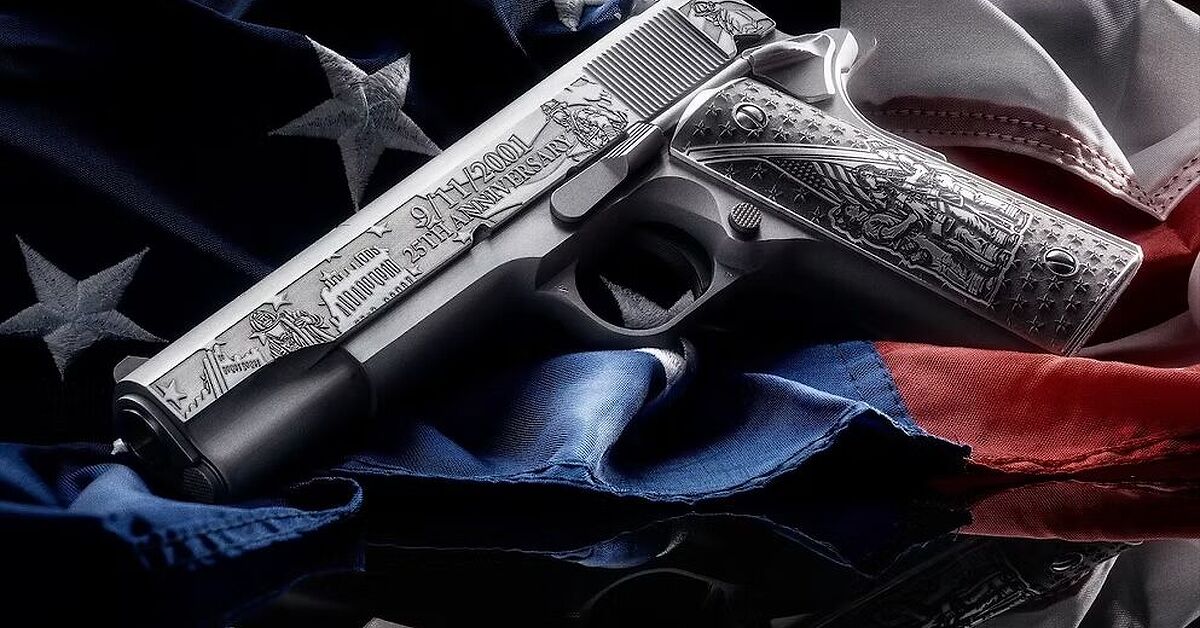
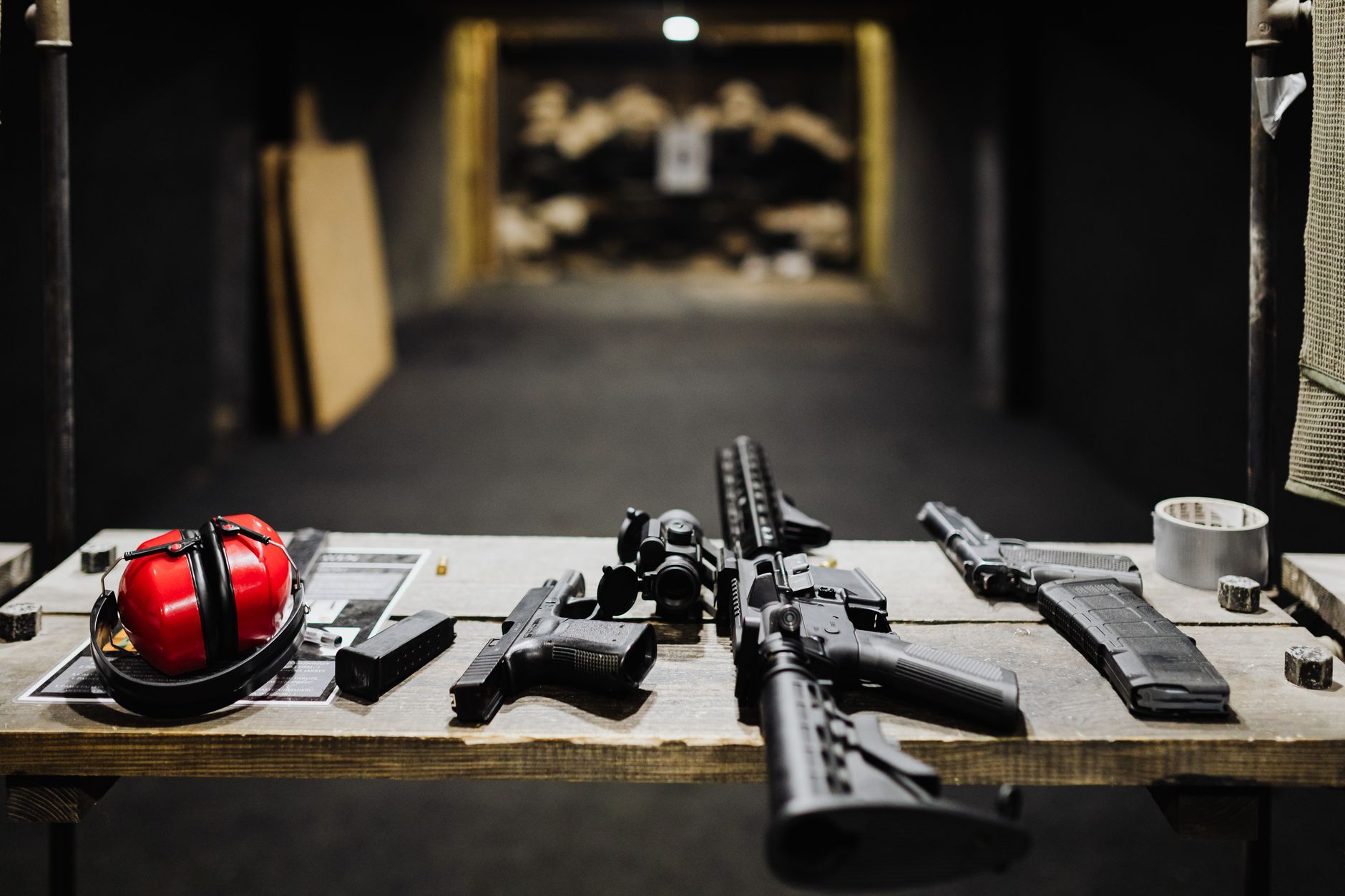
The Second Amendment Foundation has identified a heavily secured government installation near Martinsburg, West Virginia that houses more than 17,000 individual firearms in what may be the largest ATF weapons collection in the United States. The cache includes cannons, suppressed pistols, gold-plated AK variants, and scores of other weapon types accumulated through decades of enforcement actions, forfeitures, and confiscations.
Key Details
Collection scope: Over 17,000 firearms stored at a single site with extraordinary security measures. Weapon types: Oerlikon cannons, internally-suppressed pistols, decorative AK variants, and firearms spanning nearly every category. Location: Martinsburg, West Virginia, on a government-controlled base. Source: Reporting by Lee Williams for the Second Amendment Foundation raises questions about storage justification and inventory management.
Why It Matters for Gun Owners
This facility represents the tangible result of ATF enforcement and forfeiture operations—guns removed from civilians through civil asset seizure, criminal prosecution, and regulatory actions. For gun owners, it illustrates the scale at which the government collects firearms without clear public accountability for how long items are stored or what justifies maintaining such inventory. The collection also reflects the breadth of the ATF's regulatory reach: suppressors, foreign military weapons, and historical pieces all end up in federal custody. Gun owners should understand that forfeitures and seizures by federal agents may not lead to destruction or return—they feed federal warehouses that operate with minimal transparency.
DownRange Analysis
A 17,000-gun warehouse raises hard questions about ATF mission creep and resource allocation. If the agency is storing decorative firearms and historical pieces, it's operating beyond law enforcement necessity into artifact collection—using taxpayer money and facility space for purposes unrelated to public safety. The inventory also suggests the ATF lacks internal controls over what stays and what's destroyed. Gun owners should demand clarity: What's the retention policy? How often is inventory audited? Why does a federal law enforcement agency need a warehouse larger than most gun shops? Congress should mandate regular public accounting of federal firearms seized and held.