Five Carry Methods That Actually Work When IWB Fails
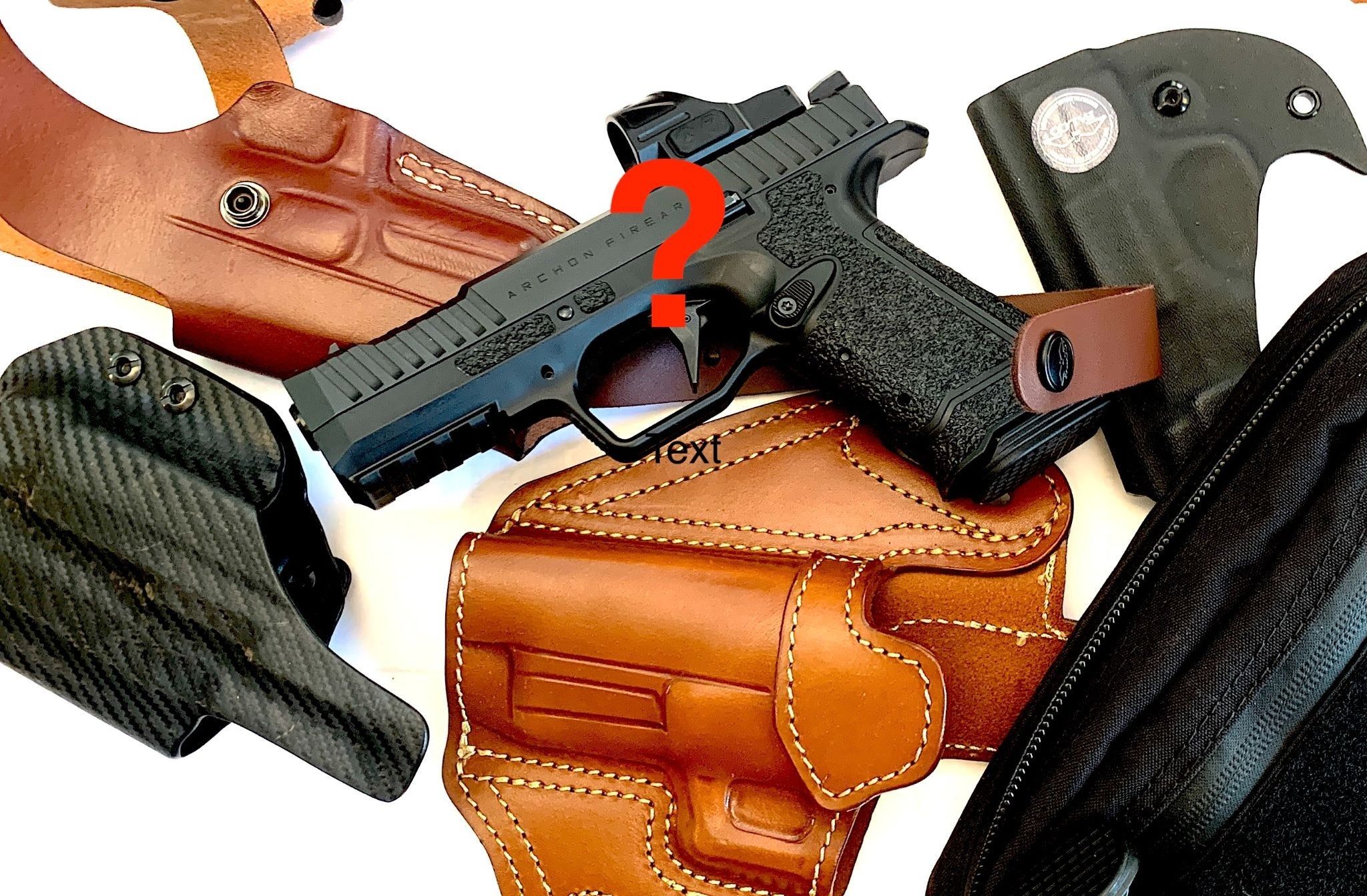
Inside-the-waistband carry works fine for sedentary desk jobs and formal wear. The moment you sit at a desk eight hours, bend repeatedly, exercise, or wear fitted clothing, that IWB holster becomes a liability. TTAG tested five alternative carry positions that actually function when standard belt carry doesn't—and which ones deliver reliability, speed, and concealability in real conditions.
Key Details
The core issue: Body shape, job demands, and clothing variety require multiple carry solutions. One holster position fails across different environments and activities.
- Appendix carry trades waistline comfort for faster presentation angles in modern defensive training
- Ankle carry works for backup guns and deep-cover carry but trades accessibility for maximum concealment
- Pocket carry requires correct clothing and dedicated holster design to function safely
- Off-body carry (purse, bag, vehicle safe) eliminates body printing but demands different security protocols
- Shoulder holster pairs naturally with jackets and larger-frame guns but requires specific dress code
Why It Matters for Gun Owners
Carry method isn't religious doctrine—it's a problem to solve with the right tool. A gym owner needs different concealment than a corporate lawyer. Someone who runs needs ankle or appendix carry. Field work, weather changes, and seasonal clothing all justify position rotation. The gun owner who carries the same way year-round loses either accessibility or concealability. Testing multiple positions in advance—at the range, on the commute, during your actual daily routine—prevents fumbling when you actually need the gun. Ankle guns must be practiced. Appendix carry demands secure holster design. Off-body carry needs physical security. Each method solves real problems but creates new problems if implemented poorly. Gun owners who understand all five positions pick the best one for each scenario instead of forcing one solution to fit every situation.
DownRange Analysis
Carry method falls outside Second Amendment litigation—courts don't mandate how you carry, only that you can carry. The practical question matters more than the legal one: does your current setup actually work for your life, or are you suffering through discomfort because that's what you've always done? The market has solved this problem. Quality ankle holsters cost $40–$80. Pocket holsters cost $25–$50. Appendix rigs run $60–$150. Testing alternatives doesn't cost much. Spend a week with each position before dismissing it. Your backup gun lives in ankle carry for exactly this reason—accessibility in positions where your primary gun fails. Same logic applies to your main carry gun.