Winchester 94 in .30-30 Holds Crown as Nation's Deer Rifle
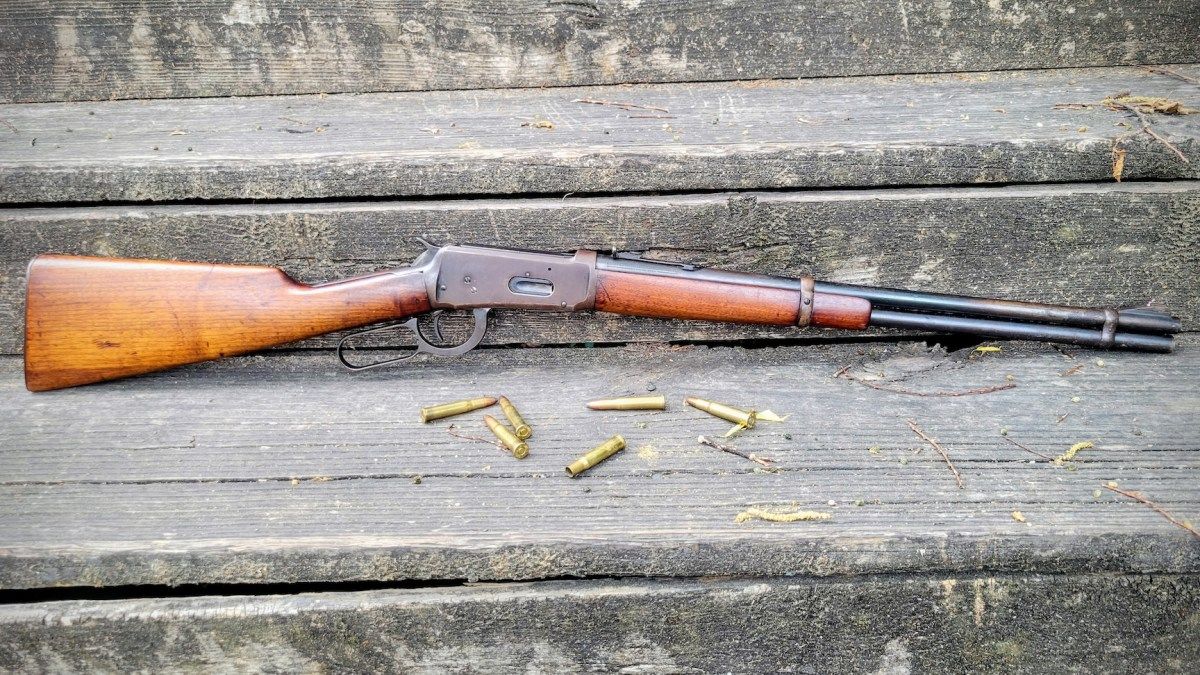
Gun writer Jack O'Connor examined why the Winchester Model 94 chambered in .30-30 Winchester became America's de facto standard for deer hunting. For the vast majority of American hunters, the terms "deer rifle" and ".30-30" function as synonyms—a status the cartridge and platform earned through decades of field performance and accessibility.
Key Details
O'Connor's analysis highlights the rifle's enduring market position. The Winchester 94 platform, first introduced in 1894, remains in production and continues outselling most modern alternatives in the used market. The .30-30 cartridge delivers adequate energy for whitetail and mule deer at typical hunting ranges (under 150 yards) where most North American hunters operate. The combination costs less than competing bolt-actions or semi-automatics, making entry into deer hunting financially realistic for working hunters.
Why It Matters for Gun Owners
Hunters evaluating their first deer rifle should understand this market reality: the .30-30 Winchester 94 isn't popular because of marketing or nostalgia alone—it works consistently at the ranges where most Americans actually hunt. A used Winchester 94 trades for $300-$600 depending on condition, versus $600-$1,200 for comparable modern platforms. The rifle's lever action cycles fast enough for follow-up shots on running game, its iron sights function in low light, and ammunition remains widely available. For hunters in brush-heavy terrain or deep woods where shots exceed 200 yards rarely, modern magnum cartridges offer diminishing returns.
DownRange Analysis
The .30-30's staying power reveals something the firearms industry often ignores: hunters don't need the latest technology to succeed. A rifle that requires no batteries, features proven reliability across four generations, and costs half the price of new competition will outsell aggressive marketing every time. Manufacturers launching new deer cartridges and platforms chase a market segment that already solved its problem in 1895. Gun owners new to hunting should evaluate their actual hunting terrain and typical shot distances before spending premium dollars on rifles built for ranges they'll never shoot.