Jury Decides If Parking Lot Draw Was Lawful Self-Defense
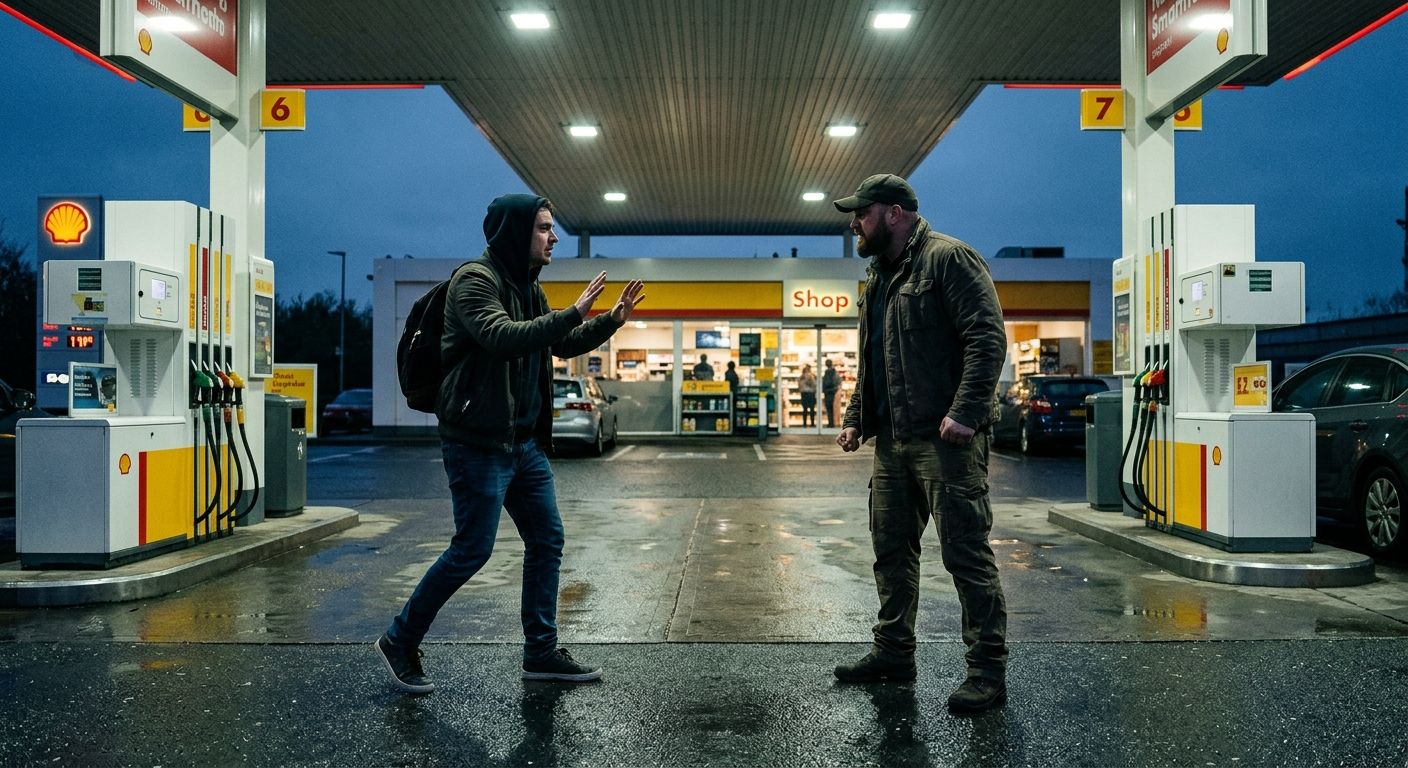
A jury is now deliberating a self-defense case centered on whether an armed citizen acted reasonably when drawing a handgun during an aggressive confrontation in a commercial parking lot. The defense argues the citizen faced an imminent threat of physical violence based on the aggressor's posturing and conduct. Prosecutors counter that the armed citizen escalated the situation prematurely and without legal justification for deploying the weapon.
Key Details
- The case involves a defensive handgun draw during a parking lot confrontation, not a shooting
- Defense position: the citizen had reasonable fear of an incoming physical attack
- Prosecution position: the draw was premature and unnecessary given the circumstances
- The jury must weigh whether the armed citizen's perception of threat met the legal standard for self-defense
Why It Matters for Gun Owners
This case directly tests the legal line between legitimate self-defense and aggressive confrontation—a boundary every armed citizen must understand. Drawing your gun is a serious decision with massive legal consequences, even if no shot is fired. The jury's verdict will signal how courts in this jurisdiction view the threshold for reasonable fear. Gun owners who carry daily need to know: Does aggressive posturing alone justify a draw, or must there be demonstrable lethal threat? The answer varies by state and by judge. This case also underscores why carry insurance and self-defense training matter. A justified draw can still result in charges if prosecutors believe you acted too quickly. Document everything. Know your state's self-defense statute cold.
DownRange Analysis
The jury's decision hinges on a question central to post-Bruen self-defense law: what does "reasonable fear" actually mean in a parking lot confrontation? Courts increasingly recognize that a lawful carry comes with heightened legal exposure—you can be charged for drawing even in legitimate situations. This case demonstrates the gray area between de-escalation and justified force. If the jury sides with the prosecution, it signals that aggressive posturing alone won't pass muster legally. If the defense prevails, it affirms that citizens can read a threat and act on it without waiting for physical contact. Either way, this reinforces a critical principle: drawing a gun should be rare and documented clearly. Every armed citizen should assume their actions will be second-guessed by strangers in a courtroom.