Goleta Gun Shop Booms as Its Daycare Neighbor Closes Doors
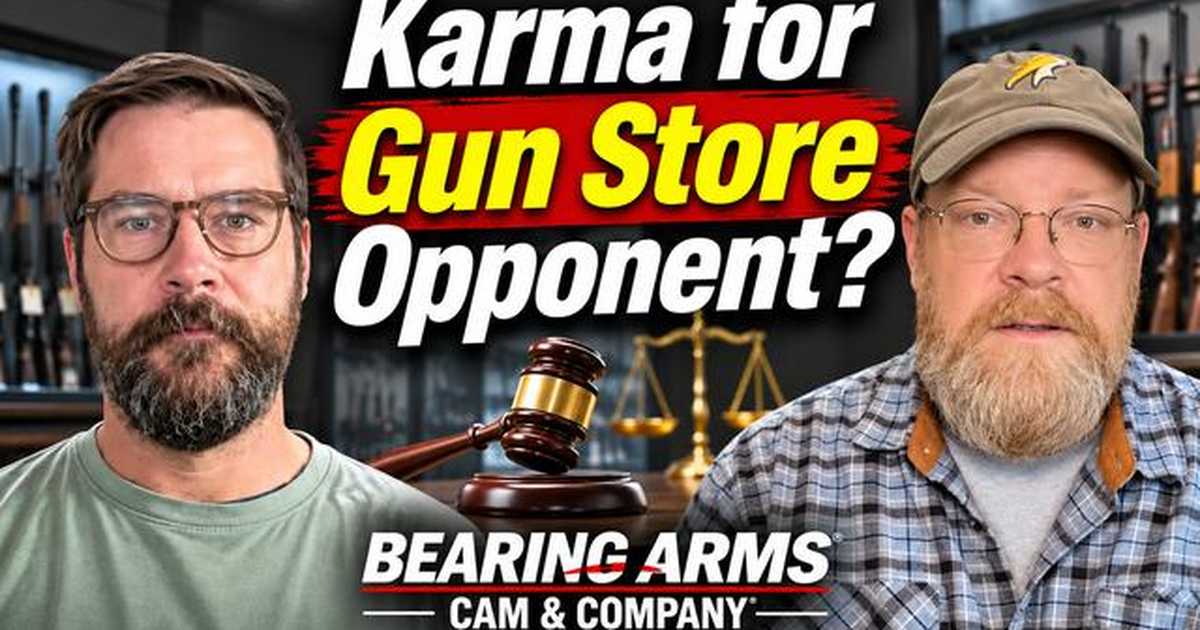
Dan Ashton moved Goodland Guns to a new location in Goleta, California, and the daycare owner next door tried to stop him. Now her doors are closing while Goodland Guns reports strong business. Bearing Arms published the story on November 19, 2026. The reporting frames the reversal as poetic justice. The facts available to us show a fight over a storefront, an outcome that favors the gun shop, and a daycare that is shutting down. They do not establish why the daycare is closing, so readers should treat the cause as unproven.
Key Details
The facts in the report are short, but they are specific enough to build a clear timeline:
- The shop: Goodland Guns, owned by Dan Ashton.
- The location: Goleta, California, a city in Santa Barbara County on the central coast.
- The conflict: When Ashton found a new site for the store, the daycare owner operating next door pushed to shut the move down.
- The outcome for the shop: Business is described as booming after the relocation.
- The outcome for the daycare: Her doors are closing. The report does not say when or why.
- Publication: Bearing Arms, November 19, 2026, 1:29 p.m. ET. The story runs as a video segment on Cam & Co, about 22 minutes long.
The report does not name the daycare owner, identify the zoning body that heard the dispute, or describe any permit, hearing, or court filing. It also gives no revenue figures for the shop and no enrollment or licensing data for the daycare. Anyone looking for the paper trail will need the full segment or the local record from Goleta and Santa Barbara County.
Background
California gun stores operate under a dense layer of state and local rules. Cities and counties control land use, which means a dealer relocating into a commercial space often goes through zoning review. In many jurisdictions, that review includes a public hearing where neighboring businesses and residents can object. A licensed dealer has a federal Firearms License that covers a specific premises, so a move also requires paperwork with the ATF before the new location can operate. Neighbors who oppose a shop can use the local process to slow or block it, even when federal and state law allow the business to exist.
The constitutional backdrop changed in 2022. In New York State Rifle & Pistol Association v. Bruen, the Supreme Court struck down New York's may-issue carry permit regime and set a new test for Second Amendment challenges. Under that test, the government must show that a firearms restriction fits within the nation's historical tradition of firearm regulation. The decision did not address zoning for gun stores directly. It did, however, tell lower courts to judge modern regulations against historical analogues rather than balancing interests case by case. That shift matters for any local rule that makes it harder to sell arms.
Why It Matters for Gun Owners
If you live in California, this story is a reminder that the fight over where guns can be sold happens at the city council and county planning level as much as it happens in federal court. A shop's ability to move is not a abstract right. It determines whether a community has a nearby dealer for background checks, transfers, repairs, and ammunition. When a dealer loses a location, the nearest counter may be an hour away, and that distance changes buying habits for everyone in the area.
Gun owners in any state should watch three things. First, track zoning and conditional-use agendas in your county and city, especially when a dealer applies to open near a school, church, daycare, or residential zone. Second, know the difference between a business complaint and a legal objection. Neighbors can voice concerns at a hearing, but the local government must still apply its published criteria. Third, if you own a shop or plan to open one, document every step of the lease, permit, and ATF amendment process. A clean paper trail is the best defense if a neighbor or a city tries to shut you down.
DownRange Analysis
The headline writes itself, but the facts do not support a verdict about karma. We know a daycare owner opposed a gun store's move, and we know her business is closing while the shop is thriving. We do not know whether the daycare had financial trouble, licensing problems, or a lease that expired. Treat the "justice" framing as opinion, not reporting.
Under Bruen, the more useful question is whether a local rule that blocks a dealer from operating is consistent with the historical tradition the Court described. Courts have not settled how that test applies to commercial zoning for firearm retailers. A rule that operates as a de facto ban on sales in a region could draw a serious challenge, while a neutral, generally applicable zoning standard would likely fare better. Gun owners should watch for lawsuits that frame zoning as a burden on acquiring arms rather than a simple land-use dispute.
Right now, the practical step is simple. If you have a dealer nearby, show up to the next hearing that affects them. Support the business with your purchases, and keep a record of any local action that targets gun retail. The shop in Goleta did not win on the courthouse steps. It won on the ground, with a lease, a permit, and customers who kept coming through the door.