Maryland Loosens Gun Laws for Juvenile Offenders—Accountability Erodes
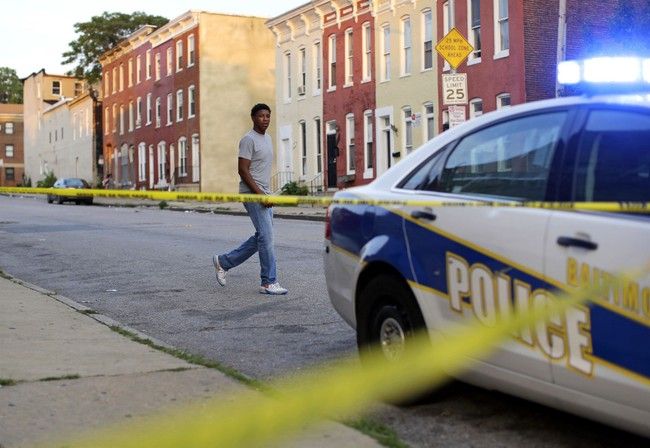
Maryland's juvenile justice system is adopting new reforms that reduce supervision and incarceration for repeat offenders, stepping back from accountability measures the state already struggles to enforce. The changes take effect as the system battles chronic problems including inadequate supervision of repeat young criminals and insufficient consequences for recidivism. Gun owners watching state-level criminal justice trends should note how weakened juvenile accountability can ripple into adult crime rates and public safety debates.
Key Details
Maryland's juvenile justice infrastructure already faces documented failures in monitoring repeat offenders and maintaining meaningful incarceration thresholds. The new reforms further reduce supervision requirements and lower barriers to release for juveniles with multiple offenses. The changes take effect immediately, affecting how young offenders are tracked and detained across the state. These moves come despite existing data showing the system's inability to prevent reoffending among its current population.
Why It Matters for Gun Owners
Weakened juvenile justice systems directly affect community safety and Second Amendment debates. When repeat young offenders face minimal consequences, neighborhoods become less stable—which drives demand for armed self-defense and fuels arguments for more restrictions on law-abiding gun owners. Maryland's changes reduce the likelihood that serious juvenile offenders will face adult court transfer or meaningful incarceration, meaning criminals with track records may reach adulthood with fewer consequences. For Maryland residents who carry, this means higher street-level threat assessment. For Second Amendment advocates nationally, it's another case study in how criminal justice failure gets blamed on guns instead of courts.
DownRange Analysis
Maryland's approach treats the symptom (incarceration) while ignoring the disease (systematic failure to supervise repeat offenders). Reducing accountability for juveniles doesn't prevent crime—it creates a pipeline of emboldened young criminals. This won't survive scrutiny from Second Amendment advocates, but it will absolutely be cited by gun control advocates claiming Maryland needs more restrictions to compensate for soft-on-crime policies. Gun owners should document these changes; they're important when legislators claim that current laws aren't enforced rather than acknowledging courts won't enforce them. The real play here: Maryland residents need to understand that their personal security depends on their own preparedness, not state systems actively rejecting accountability.