Harvard's Study Puts 21 Million Semi-Auto Rifles in Private Hands
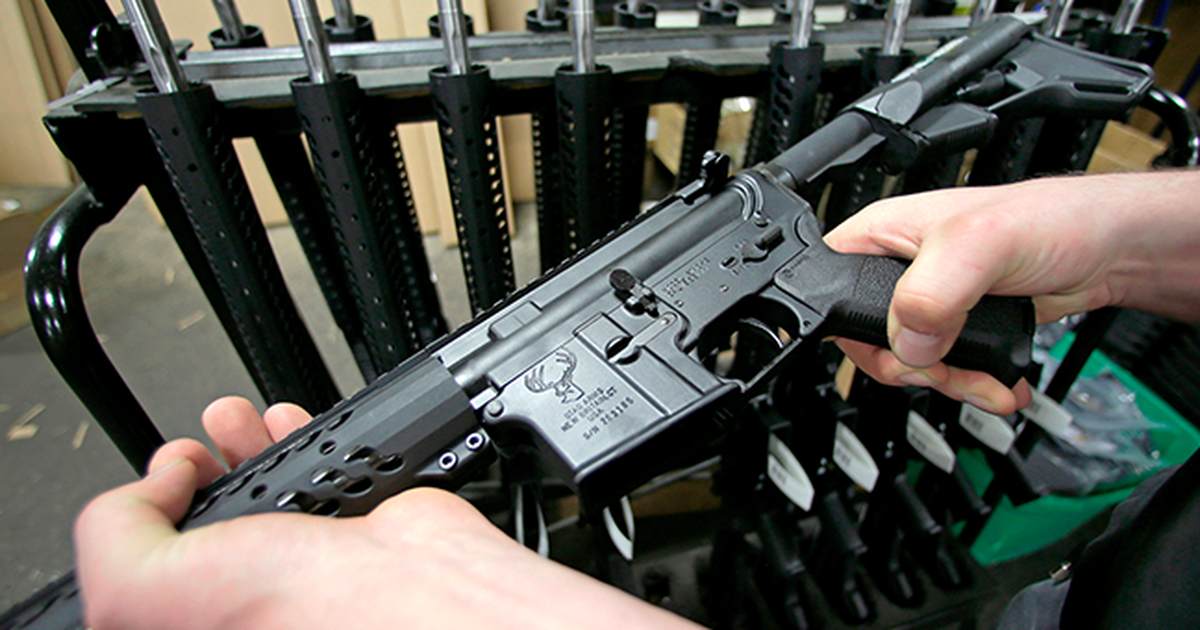
Harvard's own researchers just counted the rifles that gun control advocates say are outside the mainstream. The Harvard Injury Control Research Center estimates that 3.8 percent of American adults own at least one military-style semi-automatic rifle, which works out to about 10,250,000 people. The study draws on the 2024 National Firearms Survey and puts the total number of privately owned so-called assault weapons at roughly 21 million. The Supreme Court hears oral arguments over assault weapon bans in a few weeks, and ban defenders plan to argue these rifles are not in common use. Harvard's figures make that argument much harder to sell.
Key Details
The numbers come from a specific source and carry specific claims. Here is what the study reports:
- Survey source: the 2024 National Firearms Survey.
- Adult ownership: 3.8 percent of U.S. adults own one or more military-style semi-automatic rifles.
- Headcount: about 10,250,000 owners.
- Total guns: an estimated 21 million privately owned so-called assault weapons as of 2024. Many owners hold more than one, so the gun count runs well above the owner count.
- Owner profile: the authors say ownership is concentrated among a relatively small, mostly male group that commonly owns other firearms too.
- Share of gun owners: the study says roughly one in seven gun owners has one of these rifles.
- Authors' conclusion: the researchers argue these rifles belong to a small minority of adults.
The study's comparison point is the Ford F-150. Estimates based on Experian's second-quarter 2026 vehicle registration data put roughly 11.1 million F-150 pickups on American roads. That figure is about half the 21 million rifle count. A 2025 Gallup survey found that just 3 percent of American adults own an electric vehicle, a smaller share than the one that owns these rifles.
Background
The common use question traces back to District of Columbia v. Heller (2008). Justice Antonin Scalia wrote that the Second Amendment protects weapons "in common use at the time" for lawful purposes. He tied that protection to the Court's earlier language in United States v. Miller (1939), which addressed arms that are dangerous and unusual. Heller did not set a percentage of owners that a firearm must reach before it qualifies. It set a test based on use and possession.
Then came New York State Rifle & Pistol Association v. Bruen (2022). Justice Clarence Thomas wrote the majority opinion that requires courts to ground gun regulations in the nation's historical tradition of firearm regulation. Bruen struck down New York's proper-cause requirement for carry permits and reshaped how lower courts review gun laws. The Court has never settled how the common use test applies to modern rifles.
The federal assault weapons ban of 1994 expired in 2004. Several states have kept or enacted their own bans, including California, New Jersey, New York, Illinois, Maryland and Connecticut. Those state laws are the targets when ban challengers reach court.
Why It Matters for Gun Owners
If you own an AR-15, AK-pattern rifle or similar semi-auto in one of the restrictive states, this case goes directly to your property rights. A ruling that treats ownership percentage as the measure of common use would put your rifle at risk. The study's own numbers make the point. Ten million owners and 21 million rifles look like the opposite of a fringe category.
Owners in states with registration or ban requirements should confirm their paperwork now. Keep receipts, serial numbers, purchase records and any state registration confirmations in one place. Check which features your firearms carry under your state's definitions, since many bans turn on specific parts such as pistol grips, flash hiders or detachable magazines. Do not rely on memory when a prosecutor asks what you own.
Watch the oral argument transcript once it posts. Justices often reveal their thinking through the hardest questions they ask counsel. Pay attention to whether the bench treats the common use test as a question of raw popularity or as a question about the type of arm.
DownRange Analysis
The Harvard study hands ban defenders a problem. Its denominator includes every adult, including the majority who own no guns. Measured against gun owners, the rifle appears in roughly one of every seven households that own firearms. A 3.8 percent figure of all adults sounds small only when you count people who will never buy a firearm.
Bruen forces courts to look at text and history, and Heller's common use language still anchors the analysis. The Second Amendment does not come with a built-in popularity threshold. If 21 million rifles fail the test, the test will protect almost nothing beyond the most common handguns. That outcome cannot be squared with the Court's own framing.
Right now, keep your rifles lawfully stored and documented, stay active in your state's gun rights organizations, and contact your state legislators about any pending bans. Do not treat a study as a legal ruling. The Court has not decided this question yet, and the outcome will shape ownership rights for years.