New Jersey's Red Flag Law Disarmed a Domestic Abuse Victim
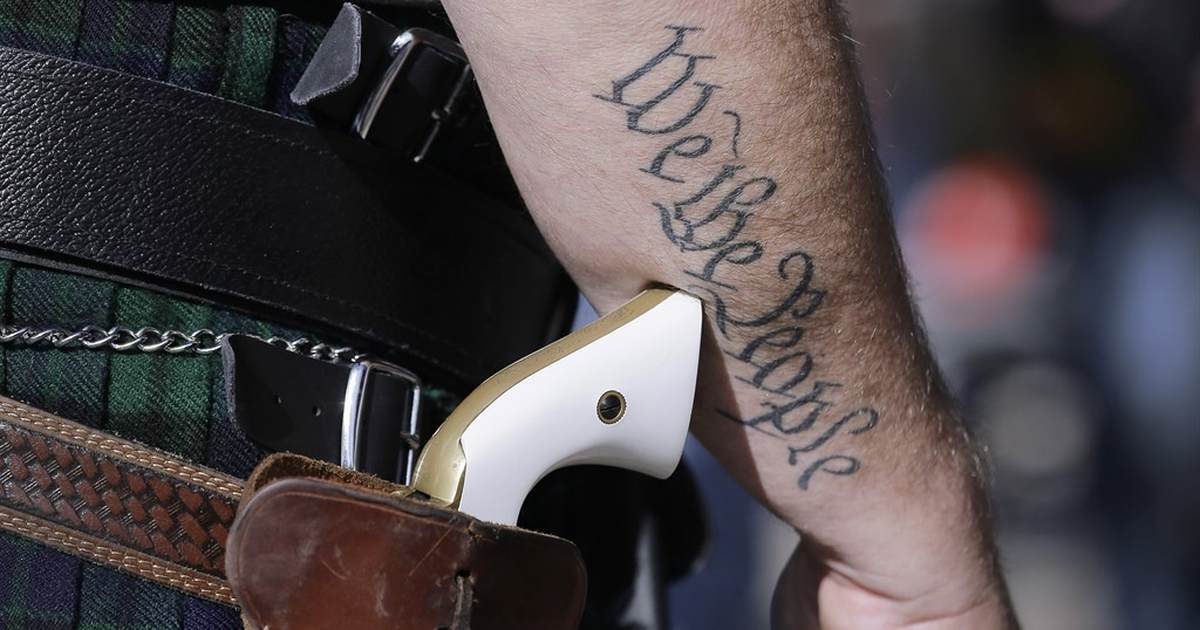
A domestic abuse victim in New Jersey lost her firearms after her abuser used the state's red flag law against her. Kelly Sutliff, a Second Amendment advocate and founder of Kelly's K9s Tails of Courage, described the case in a video interview published by Bearing Arms on November 12, 2026. Sutliff says the removal order expired, but getting her gun rights back took far longer and cost far more than the order itself. The case shows how a tool meant to stop dangerous people can be turned by the person it was supposed to protect against. Anyone in New Jersey with a protective order history, or anyone sharing a home with a potential abuser, needs to understand how these orders work before a judge signs one.
Key Details
The interview ran 42 minutes and 6 seconds and centers on Sutliff's personal experience. The published excerpt contains the following facts:
- Publication date and time: November 12, 2026, 1:46 p.m. ET, on Bearing Arms.
- Speaker: Kelly Sutliff, founder of Kelly's K9s Tails of Courage and a self-described Second Amendment advocate.
- Legal mechanism: Her abuser used New Jersey's red flag statute, which allows courts to temporarily remove firearms from a person deemed a risk.
- Outcome: Authorities removed her guns under that order.
- Timeline: The red flag order expired, but her firearm rights remained impaired until she completed a separate restoration process.
- Cost and duration: Sutliff describes the restoration process as lengthy and expensive. The excerpt does not list a dollar figure, so check the full video for specifics.
The excerpt does not name the court, county, or exact dates of the original order. Those details matter for anyone trying to trace the timeline, so the full interview is the place to look.
Background
New Jersey's extreme risk protective order statute lets a court temporarily remove firearms from someone who poses a significant danger to themselves or others. These orders often start ex parte, meaning the respondent is not present, and a full hearing follows later. That structure is the core of the debate. The respondent can lose access to firearms before anyone has heard their side.
New Jersey also prohibits firearm possession under final domestic violence restraining orders issued under its Prevention of Domestic Violence Act. Federal law separately bars possession under qualifying protective orders through 18 U.S.C. 922(g)(8). In United States v. Rahimi, decided June 21, 2024, the Supreme Court upheld that federal provision by an 8-1 vote. The Court reasoned that the statute applies only after notice and a hearing, and only to individuals found to pose a credible threat to a partner or child.
The legal framework for all of this comes from New York State Rifle & Pistol Association v. Bruen, decided June 23, 2022. Bruen requires the government to justify gun regulations by showing they fit the nation's historical tradition of firearm regulation.
Why It Matters for Gun Owners
Anyone who owns firearms in New Jersey should treat a protective order as a direct threat to their property, whether they are the respondent or the petitioner's household member. An ex parte order can strip guns from a lawful owner within hours. Gun owners who live with a partner or family member in a volatile situation should know that a single filing can start the clock on removal.
New Jersey's permit system adds another layer. Firearm purchase permits and carry credentials can come under review after an order is filed, and reinstatement can require paperwork, fees, and waiting periods. Sutliff's account suggests the paperwork can outlast the order that triggered it.
If you are involved in any protective order proceeding, contact a licensed attorney who handles firearm restoration. Keep a record of every court date, notice, and property receipt. Request a written inventory of any firearms the police take. Ask early how the state handles return of property after the order expires, because the answer determines what you need to file and when.
DownRange Analysis
Rahimi gave courts a path to uphold disarmament for people with final orders after a hearing. Ex parte temporary removals stand on weaker ground. Under Bruen, a state has to show a historical analogue for taking guns from someone who has not been convicted or fully adjudicated. Rahimi's reasoning leans heavily on the hearing requirement, which is exactly what many temporary orders skip. Expect challengers to press this gap.
Sutliff's story also shows the real cost of a broken process. Disarming a victim does nothing for public safety if the victim cannot recover her rights after the threat ends. Advocates should push for faster return procedures, not just stronger removal powers. Gun owners should treat every protective order filing as a legal emergency, not an administrative inconvenience. Get counsel, document everything, and watch the case law closely.