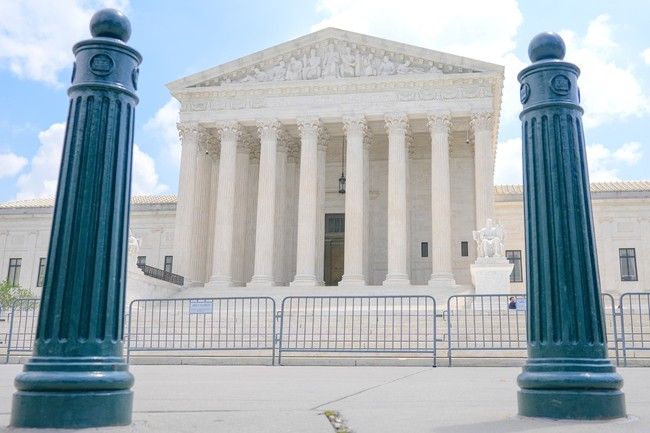
Defense Distributed Files SCOTUS Challenge to New Jersey's Digital Gun Code Ban
Defense Distributed has petitioned the Supreme Court to hear Defense Distributed v. Davenport, directly challenging New Jersey's statute that criminalizes distributing computer-aided design files enabling residents to 3D print firearm components. The case targets the state law making it illegal to share digital instructions for manufacturing gun parts, marking the first major constitutional test of code-restriction laws after Bruen.
Key Details
The New Jersey statute classifies distribution of CAD files for firearm parts as a criminal offense. Defense Distributed, the group behind the Liberator 3D-printed pistol design, argues the law violates both the First Amendment (code is protected speech) and the Second Amendment (right to manufacture functional firearms). The petition names Philip Davenport, a New Jersey official, as defendant. Lower courts have not yet resolved the constitutional claims, making this a clean vehicle for SCOTUS review of whether states can restrict digital firearm manufacturing instructions through speech regulation.
Why It Matters for Gun Owners
This case determines whether your state can criminalize you for sharing—or possessing—CAD files for gun parts. If SCOTUS sides with New Jersey, states gain authority to ban digital firearm instructions before any physical manufacture occurs, effectively criminalizing information. If Defense Distributed wins, CAD file restrictions likely fall nationwide under Bruen's text-and-history test. Gun owners in restricted states like New Jersey, California, and New York face legal risk simply downloading or sharing files. The outcome also affects 80% lower receivers, binary triggers, and other commonly printed components. A ruling against the state would expose the fundamental weakness in prosecuting information—you cannot easily regulate what exists in digital form once published.
DownRange Analysis
Bruen's emphasis on historical tradition gives Defense Distributed a viable path. The Court will ask: did 18th-century Americans regulate the distribution of written instructions for manufacturing arms? No. Code distribution restrictions are modern regulatory inventions with no founding-era analogue. New Jersey's law treats CAD files as manufacturing instructions subject to weapons control, but SCOTUS may reject that framing and apply strict scrutiny to code as speech. The state's strongest argument—that the law regulates conduct (manufacturing), not speech—fails because the law targets distribution before any conduct occurs. Expect a 6-3 or 7-2 decision favoring Defense Distributed. The real impact: states lose the ability to ban digital firearm instructions, forcing them to restrict access to manufacturing equipment instead—a harder regulatory road.