Supreme Court Poised to Gut Assault Weapon Bans Nationwide
The Supreme Court is preparing to strike down so-called assault weapon bans across the country in its coming term, following two major Second Amendment victories last term. The ATF is simultaneously reforming its enforcement rules with an explicit shift toward supporting gun manufacturers, dealers, and owners rather than restricting them. The Department of Justice has begun filing lawsuits challenging state and local gun control measures, signaling a federal administration willing to litigate against antigun jurisdictions.
Key Details
- The Supreme Court delivered two significant Second Amendment wins last term, establishing momentum for broader constitutional protection of gun rights.
- The ATF's rule reforms are being restructured to prioritize industry compliance and gun owner access rather than enforcement-heavy restrictions.
- The DOJ has begun routine litigation against state and local gun control ordinances, representing a shift from previous administrations' posture.
- Public polling shows declining support for gun control measures, weakening the political foundation for new restrictions.
Why It Matters for Gun Owners
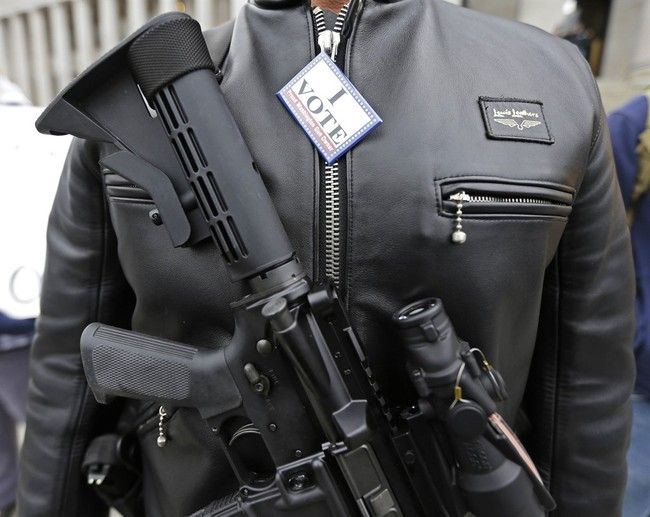
An assault weapon ban strike-down would immediately invalidate restrictions in states like California, New York, Connecticut, and others. Owners in those jurisdictions could legally possess modern rifles previously banned, though state-level resistance and new legislation could complicate implementation. The ATF's pivot toward friendly rules means fewer surprise compliance traps for manufacturers and retailers—critical for anyone buying off-the-shelf modern rifles. The DOJ's active litigation posture creates real legal pressure on state laws, though success depends heavily on Bruen-compliant historical analysis. Gun owners should monitor their state's response to any federal court rulings; states have historically moved quickly to pass new restrictions or created registration schemes as workarounds.
DownRange Analysis
The confluence of favorable SCOTUS precedent, ATF regulatory reset, and DOJ litigation creates the strongest federal environment for gun rights in decades. However, don't mistake this for a complete win. States will litigate aggressively, and Supreme Court appetite for striking down specific bans versus upholding them varies. The real test is whether the Court's Bruen framework—rooted in historical tradition and common use—actually invalidates modern rifle restrictions or narrows them. Meanwhile, declining gun control support in polling is real but fragile; a mass shooting in a high-profile state can shift momentum instantly. Gun owners should focus on state-level fights, especially in purple states where litigation could flip outcomes before 2028.