Ninth Circuit Locks in California's Gun Store Camera Mandate
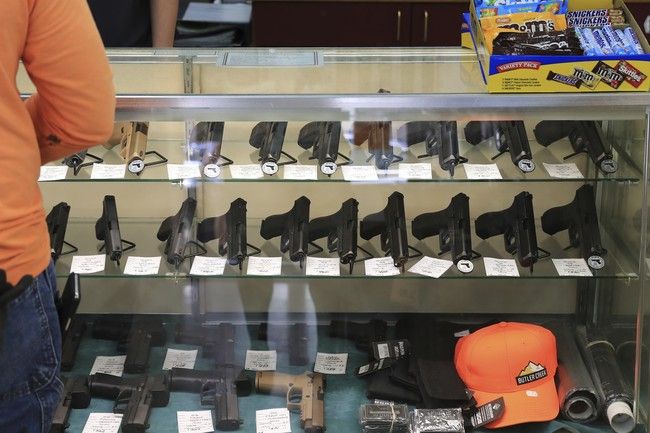
The Ninth Circuit Court of Appeals upheld California's surveillance requirement for all licensed firearms retailers on August 31, 2026. The decision affirms that gun dealers across the state must install, operate, and maintain video camera systems inside their shops. The ruling rejected constitutional challenges to the mandate and clears legal obstacles to full statewide enforcement.
Key Details
- Ninth Circuit panel upheld the camera requirement without significant restrictions on implementation
- California dealers now face mandatory video surveillance of sales floors, storage areas, and transaction points
- The ruling removes the immediate legal uncertainty that had blocked statewide rollout
- Dealers who fail to comply face license suspension or revocation
Why It Matters for Gun Owners
This decision means every California gun store transaction—from browse to purchase—now occurs under constant video monitoring. For shooters in the state, it signals tighter documentation of firearm transfers and ammunition sales. Out-of-state gun owners should note the precedent: once a circuit court greenlights surveillance mandates, other states with similar legal leanings can follow. The practical effect is a permanent record of who buys what, when, and how much. Dealers will absorb setup and maintenance costs—expenses often passed to customers through higher prices. For Second Amendment advocates, the ruling demonstrates how incremental restrictions can survive appellate review if framed as "public safety" measures rather than direct bans.
DownRange Analysis
The Ninth Circuit's approval hinges on the court treating surveillance as a regulatory requirement separate from the right to purchase itself—a distinction that likely won't survive stricter scrutiny under Bruen. However, the appeals court didn't apply Bruen's historical-tradition test rigorously. California's camera mandate has no historical parallel; 18th-century gunsmiths didn't film transactions. This decision exposes a circuit court still comfortable with post-McDonald, pre-Bruen reasoning. Gun owners in the Ninth Circuit should expect similar rulings on ammunition purchase limits and dealer-stocking restrictions until the Supreme Court clarifies whether Bruen applies to secondary regulations on the right itself.