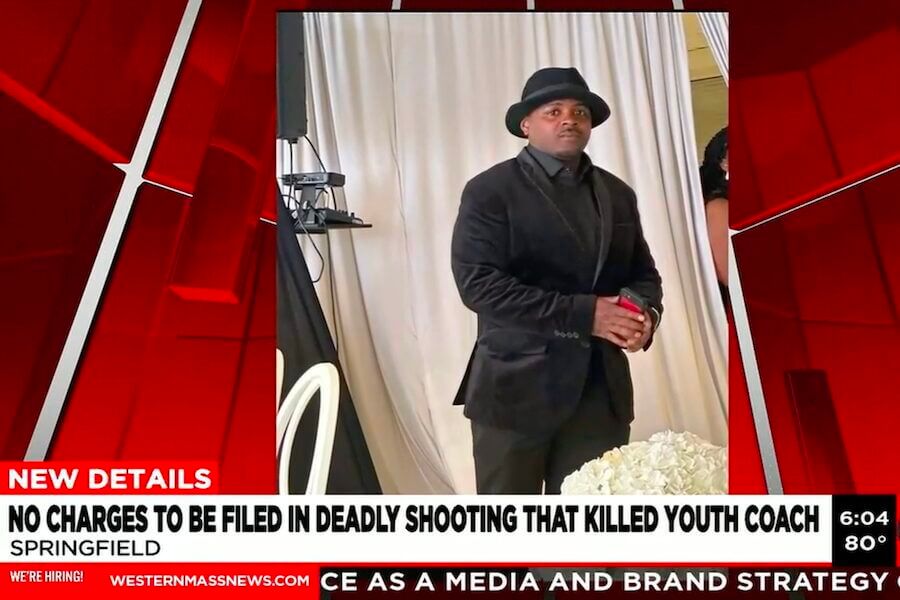
Springfield prosecutor declines charges in fatal shooting
A Massachusetts prosecutor ruled a Springfield woman acted lawfully when she shot and killed a man during an armed confrontation. The shooter faced no criminal charges. The incident involved a coach who authorities say initiated the physical altercation.
The decision closes a case that tested self-defense law in Massachusetts. State law permits residents to use force—including deadly force—when facing imminent threat of death or serious bodily harm. The prosecutor's office determined the shooting met that standard.
Why It Matters for Gun Owners
This ruling reinforces a critical principle: lawful self-defense doesn't always result in prosecution. Gun owners carrying for protection depend on this legal foundation. Massachusetts has strict firearm regulations, making this decision particularly significant in a hostile regulatory environment.
The case also highlights an often-ignored reality: women successfully defend themselves with firearms. Female gun owners increasingly cite personal protection as their primary reason for carrying. This case demonstrates why training and understanding your state's self-defense laws matter more than ever.
Carriers need to know their local rules. Massachusetts permits differ drastically from constitutional carry states. Understanding Massachusetts self-defense statutes—particularly the duty to retreat in some situations—remains essential for anyone carrying there.
Background
The confrontation occurred between the Springfield woman and a coach. Details indicate the coach physically initiated contact. The woman's response with her firearm stopped the immediate threat.
Massachusetts self-defense law permits force when you reasonably believe you face imminent danger of death or serious bodily injury. The statute doesn't require retreat in your own home. However, outside your residence, duty-to-retreat provisions apply in certain situations—a critical distinction from constitutional carry states.
The prosecutor's decision to decline charges means investigators found sufficient evidence supporting the woman's account. The shooting appeared justified under state law. No evidence suggested she acted recklessly or with criminal intent.
This case emerged during an era when firearms cases receive intense scrutiny. Some jurisdictions reflexively charge defenders first, then let courts sort facts. This prosecutor took a different approach: reviewing evidence and applying law before charging decisions.
Massachusetts has eliminated permitless carry, requiring licenses for all firearm possession. The state maintains one of America's strictest regulatory schemes. Despite these restrictions, courts and prosecutors must still respect lawful self-defense rights when circumstances warrant.
DownRange Bottom Line
Self-defense remains lawful, even in restrictive states like Massachusetts. Prosecutors have discretion to decline charges when evidence supports defensive force claims. Gun owners carrying for protection need current knowledge of their state's specific self-defense statutes.
This ruling reminds carriers: understanding the law matters as much as knowing your weapon. Massachusetts residents should consult attorneys familiar with state self-defense statutes before carrying. Know exactly when duty-to-retreat applies and when stand-your-ground principles protect you.
Train regularly. Understand your state's laws. Carry responsibly. When you face imminent threat, your response may be justified—but only if you understand the legal framework governing your actions in your jurisdiction.
The Springfield woman's case confirms what careful carriers already know: lawful self-defense protects those prepared to defend themselves within the law's boundaries.