Chicago Mayor's Executive Order Targets Gun Seller Procurement, Not Criminals
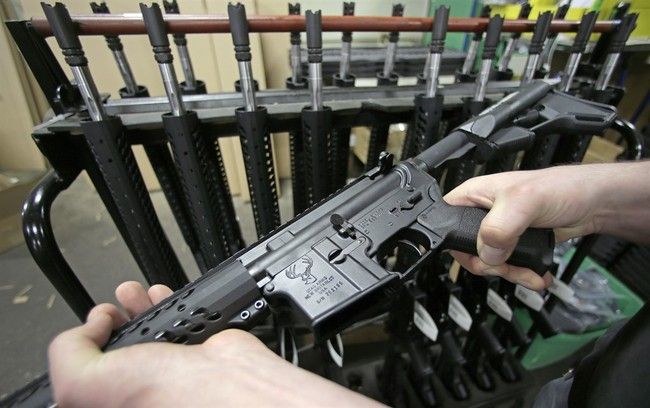
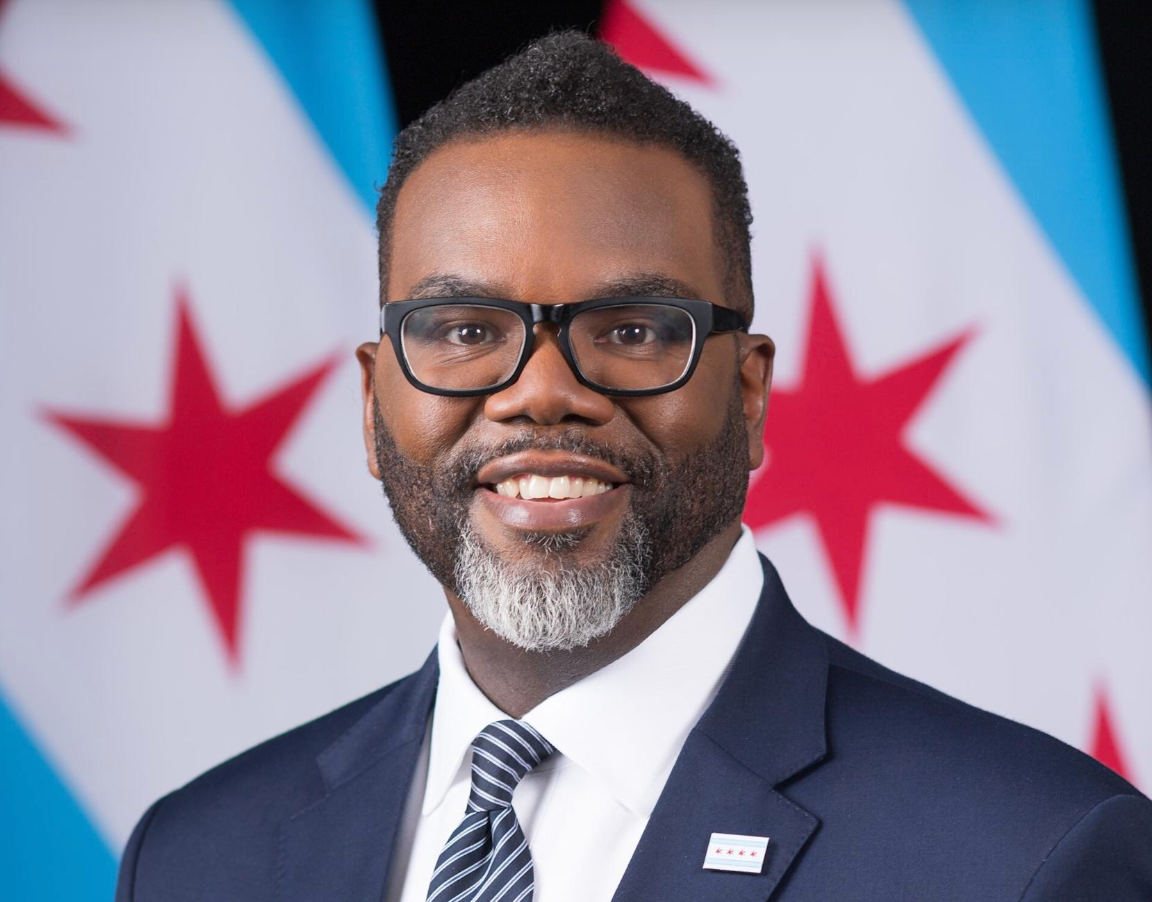
Chicago Mayor Brandon Johnson signed an executive order in August 2026 that restricts how city agencies purchase firearms and ammunition. The measure imposes stricter vetting standards on gun dealers conducting business with municipal government. Second Amendment advocates immediately challenged the order, arguing it punishes lawful sellers while violent crime continues unchecked on Chicago streets.
The executive order requires city agencies to establish new procurement standards, implement additional vetting processes for gun sellers, and enforce expanded compliance requirements for ammunition suppliers. Johnson framed the action as violence reduction, though he offered no evidence showing how limiting city government purchases affects street-level criminal activity. The order applies to all municipal agencies citywide.
Why It Matters for Gun Owners
This order signals Chicago's deliberate strategy: regulate the supply side of the legal gun market instead of enforcing laws against criminals. Gun owners across Illinois face real consequences. When cities control procurement, they influence which dealers survive financially and which close their doors. The order directly targets businesses serving lawful customers in Cook County.
While the current order restricts only municipal purchases, it establishes political precedent for future restrictions on retail licensing. Competitive shooters and concealed carriers should monitor whether Chicago expands these requirements to civilian dealer access. The city has demonstrated willingness to use government purchasing power against the gun industry—a tactic that often precedes broader licensing restrictions.
Chicago's approach avoids immediate Second Amendment litigation by targeting procurement rather than civilian ownership. New York City and San Francisco have already deployed this same strategy. It's a template other blue-city mayors will copy. For gun owners, the pattern is clear: supply-side restrictions eventually become civilian-access restrictions.
The order also signals that Chicago leadership prioritizes regulating lawful commerce over prosecuting armed criminals. Chicago recorded 645 homicides in 2024 alone. The city's murder rate remains among the nation's highest, yet the mayor's response targets the dealer network serving law-abiding residents and licensed carriers.
Background and Prior Attempts
Chicago has pursued anti-gun dealer measures for decades. The city banned handgun sales entirely from 1982 to 2008—a prohibition struck down by the Supreme Court in McDonald v. City of Chicago. That ruling established that Second Amendment protections apply to state and local governments, not just federal law.
Since McDonald, Chicago has attempted numerous dealer restrictions without explicit bans. Licensing requirements, zoning restrictions, and now procurement standards represent indirect approaches to limiting dealer operations. These methods face less direct constitutional scrutiny than outright ownership bans.
The executive order follows years of advocacy by gun control organizations operating in Illinois. These groups have consistently pushed cities toward restricting dealer access rather than pursuing criminal prosecution strategies. Johnson's order reflects that political pressure.
DownRange Bottom Line
Chicago's procurement order represents supply-side regulation masquerading as public safety policy. The measure restricts which dealers can sell to city government while violent criminals operate with near-total impunity. Gun owners should expect similar orders in other Democratic-controlled cities.
For Illinois gun owners, this order foreshadows potential future restrictions on civilian retail access. Monitor your state legislature and city council. Dealer networks matter for ammunition availability, competitive shooting access, and concealed carry licensing support. Restricting lawful dealers doesn't stop criminals—it only limits options for responsible gun owners.
Chicago's approach proves one point: anti-gun politicians prefer controlling legal commerce to controlling criminals. Gun owners must stay engaged in local politics where these decisions happen.