Nocpix MATE Ultra Delivers Thermal Performance at Extended Range
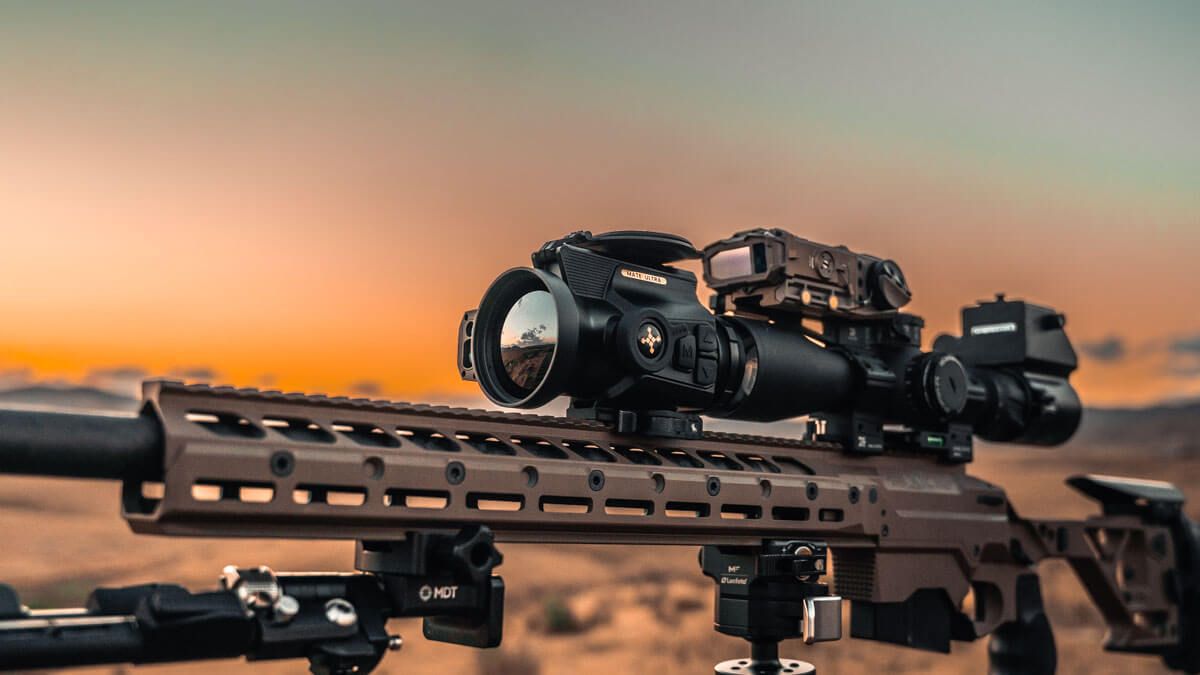
Nocpix has released the MATE Ultra, a 1280-resolution thermal clip-on attachment engineered for long-range shooters. The device mounts ahead of conventional day scopes and produces image quality sufficient for precision shooting past 1,000 yards—a technical threshold civilian thermal optics have historically struggled to meet in field conditions.
Key Details
- Thermal resolution: 1280 pixels (significant step above entry-level 640-pixel thermals common in civilian market)
- Effective range: tested and functional at 1,000+ yards for target acquisition and engagement
- Form factor: clip-on design integrating with existing day-scope setups (no scope replacement required)
- Application: purpose-built for serious long-range hunting, precision rifle competition, and professional use
Why It Matters for Gun Owners
Thermal optics have existed for years, but civilian-accessible models have been constrained by resolution, cost, and image degradation at distance. The MATE Ultra's 1280 standard changes the math for long-range hunters and precision shooters. You keep your day scope. You add a clip-on that actually works past 500 yards—where most cheaper thermals ghost out. This matters if you hunt hogs, coyotes, or compete in PRS-style matches where thermal advantages are legal. Price point and actual field performance under various conditions will determine market adoption. Hunters in Texas, Wyoming, and other thermal-legal states should track this closely.
DownRange Analysis
Thermal technology has been gated behind military/LEO pricing ($8,000–$15,000+) for years. If Nocpix priced the MATE Ultra accessibly—under $4,000—this becomes a real option for serious shooters who can't justify replacing a $2,000 day scope with a full thermal platform. The clip-on design is smart: you don't abandon your glass. Durability, battery life, and thermal drift will be the real tests. Thermal regulation at extreme distance remains harder than marketing claims suggest. This is worth testing yourself before committing; YouTube reviews help, but field performance varies with ambient temperature, terrain, and target heat signature.