Philadelphia Officer Killed, Partner Wounded in Midnight Ambush
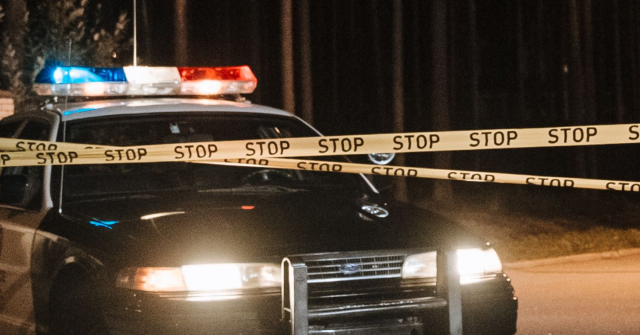
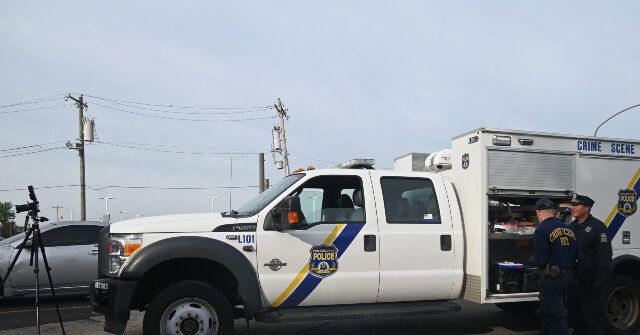
One Philadelphia police officer is dead and a second is wounded after both were ambushed shortly after midnight Saturday. The officers had responded to a call about a person carrying a gun. The attack came as they approached the scene, and the surviving officer was struck during the exchange. The shooter's identity and the status of any suspect were not confirmed in the initial reporting. The killing adds to a growing list of officers shot while responding to armed-subject calls in major American cities.
Key Details
The ambush occurred just after midnight on Saturday, October 10, 2026, in Philadelphia.
- One officer killed in the attack.
- A second officer wounded and in the aftermath of the shooting.
- The call that drew officers to the scene was a report of a person with a gun, the kind of call that puts responding units in the most dangerous position of the job.
Details on the suspect, the weapon used, and the officers' names were still developing at the time of publication.
Why It Matters for Gun Owners
Every armed-subject call is a moment when the first person through the door can become the victim. For those who carry, this is the scenario that should drive daily habits: awareness of your surroundings, a clear understanding of what you will and won't do when a gun comes out, and the discipline to keep your own firearm secure. Pennsylvania is a shall-issue state with permitless carry for those who qualify, which means a large population of armed citizens lives under the same conditions this officer faced. Carriers in Philadelphia should review how they handle encounters with police, keep hands visible, and never assume a responding officer knows who the good guy is. If you own a firearm, the lesson is equally blunt. A gun in the wrong hands during a dispute, or a gun left unsecured, creates the exact situation that gets officers and bystanders killed.
DownRange Analysis
Attacks like this fuel every side of the policy argument, and gun owners should resist letting tragedy become a blank check for new restrictions. Most people who carry guns are the same people who would never draw on an officer, and Bruen makes clear that the Second Amendment's protection of armed self-defense is not contingent on the mood of the moment. The more productive response is accountability for violent offenders, enforcement of existing laws against those who shoot at police, and honest discussion about why repeat offenders keep access to firearms. What should a gun owner do right now? Train for the encounter you hope never happens, know your state's rules for interacting with police while armed, and make sure your own firearms are never the source of the next headline.