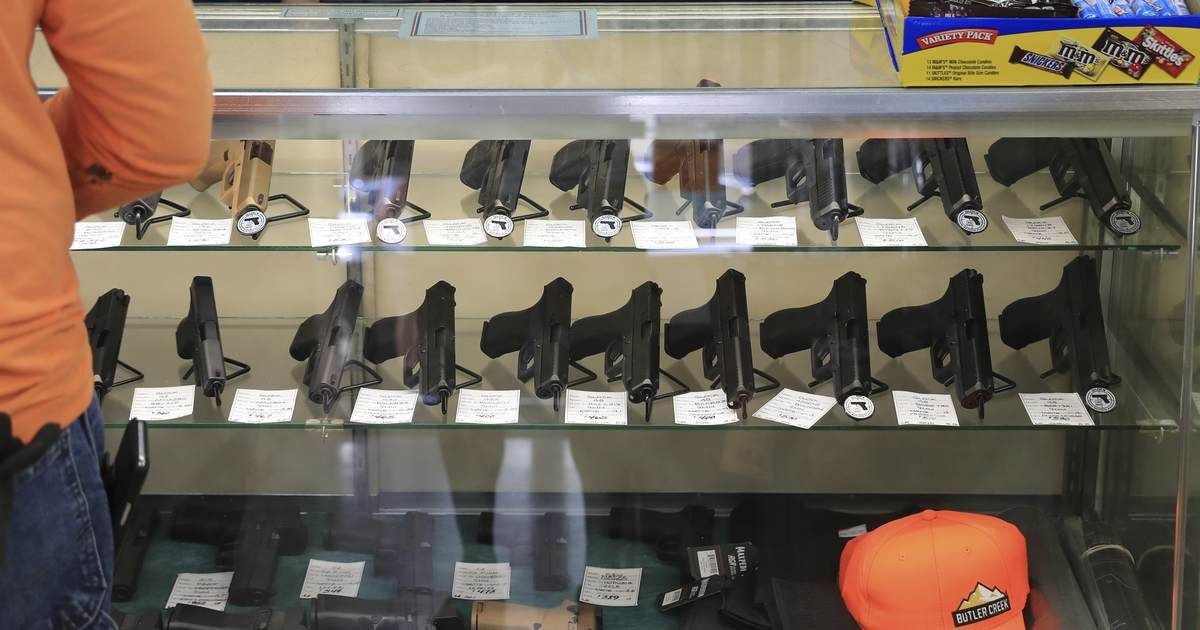
Ohio's SB 214 Targets Suppressor and SBR Ban Before Acton Takes Office
Ohio Republicans are using the lame-duck session to push Senate Bill 214, which would remove a federal registration requirement tied to the state's ban on dangerous ordnance. Under current law, possessing suppressors, short-barreled rifles and short-barreled shotguns is generally illegal in Ohio. The only exception covers owners who complete the federal NFA process and pay a $200 tax. SB 214 would cut that federal tie-in. The clock matters. Governor-elect Amy Acton, a Democrat backed by major gun control groups during her campaign, takes office in January. Gun owners in the state expect her to veto any bill that expands or protects the right to keep and bear arms. Republicans have a window of weeks to get SB 214 to her desk, and possibly past her, while DeWine still holds the pen.
Key Details
The bill's core change is narrow but significant. Ohio currently lists suppressors and short-barreled firearms among its "dangerous ordnance," a category broad enough to sweep in many accessories and configurations. The state's exception requires a federal background check and a $200 payment, which means an Ohio resident must already clear the federal NFA process to own these items legally. SB 214 would eliminate the federal registration requirement as a condition of the state exception.
- Bill: Senate Bill 214, Ohio General Assembly
- Current requirement: Federal NFA background check plus a $200 payment
- Affected items: Suppressors, short-barreled rifles, short-barreled shotguns, and other dangerous ordnance
- Sponsors' argument: The state process duplicates federal review and the prohibitions themselves infringe on constitutional rights
- Bipartisan support: A handful of Democrats have backed SB 214
- Senate math: Republicans keep a veto-proof majority next session, though the exact margin depends on races not yet officially decided. Estimates range from three to seven Democratic votes needed, depending on outcomes.
Lorain County Republican Rep. Kellie Deeter argued that suppressors protect hearing and function as ear protection, not as concealment tools. Rep. Tex Fischer of the Mahoning Valley rejected the claim that looser rules produce more gun violence, insisting the bill will not make Ohio less safe. Democratic critics have tied the bill to gun violence concerns, a argument Republicans dismiss.
Background
The National Firearms Act of 1934 placed a $200 transfer tax on suppressors, short-barreled rifles and short-barreled shotguns, along with registration requirements. That tax stayed in place for decades and made the federal process slow and expensive for ordinary buyers. Congress changed the math in 2025 when the One Big Beautiful Bill Act reduced the tax on those items to zero, effective January 1, 2026. Federal approval, background checks and registration through the ATF still apply, so the NFA paperwork remains. The $0 tax is a statutory change, not a permanent guarantee, and a future Congress can restore it.
Ohio's state ban predates that federal change. Ohio law treats suppressors and short-barreled firearms as dangerous ordnance, and the exception has always piggybacked on federal approval. Lawmakers in Columbus now face a mismatch: Washington has zeroed the tax, but Ohio still requires gun owners to run the federal gauntlet to satisfy state law. SB 214 is the legislative answer to that gap.
Why It Matters for Gun Owners
If SB 214 becomes law, Ohio residents who want a suppressor or a short-barreled rifle would no longer need to satisfy the federal registration step to stay on the right side of state law. Hunters, shooters with hearing concerns, and owners of pistol-braced or SBR-configured builds all stand to benefit. Anyone who has already filed an NFA application or holds a federally registered item should keep their paperwork current regardless of what happens in Columbus, because federal law still governs interstate transfers and federal possession. Watch for committee scheduling in the Ohio Senate and House and for vote counts on the Democratic side. A bill that clears with bipartisan support has a better shot at surviving a veto override attempt than one passed on a straight party line. Gun owners outside Ohio should also watch, because other states copy language from these bills.
DownRange Analysis
Under New York State Rifle & Pistol Association v. Bruen, the government must show that a firearm regulation fits within the nation's historical tradition of firearm regulation. Suppressors and short-barreled arms have a thin historical record of prohibition. A state ban that relies on a federal tax stamp as its only off-ramp will struggle to justify itself. The Supreme Court's 1939 decision in United States v. Miller upheld early NFA-style restrictions on short-barreled shotguns, but the government's argument there rested on a thin record about militia utility. Courts applying Bruen have not treated that case as blanket cover for every NFA item.
The market impact is real. Ohio buyers have been shopping across state lines or waiting on federal approvals. Dealers in the state could see steady demand if the exception opens up. What should a gun owner do right now? Contact your state senator and representative, ask them to move SB 214 before the lame-duck session ends, and keep your federal NFA documents organized. Do not treat a bill's introduction as a win. Treat it as leverage to pass before January.