Ohio's SB 214 Heads to DeWine as Sheriff Fights Suppressor Freedom
Ohio's legislature has sent SB 214 to Gov. Mike DeWine, and it would let residents possess short-barreled firearms and suppressors without first paying the federal tax and registering under the National Firearms Act. Hamilton County Sheriff Charmaine McGuffey is publicly opposing the measure. She argues that suppressors make gunshots harder for ShotSpotter to pick up, and that loosening the rules will feed a black market. DeWine now holds the bill. His signature or veto decides whether Ohio closes a state-level felony trap that catches people who already comply with federal law.
Key Details
The numbers and names behind this fight are specific, so here they are.
- The bill: SB 214 passed the Ohio legislature and awaits the governor's signature.
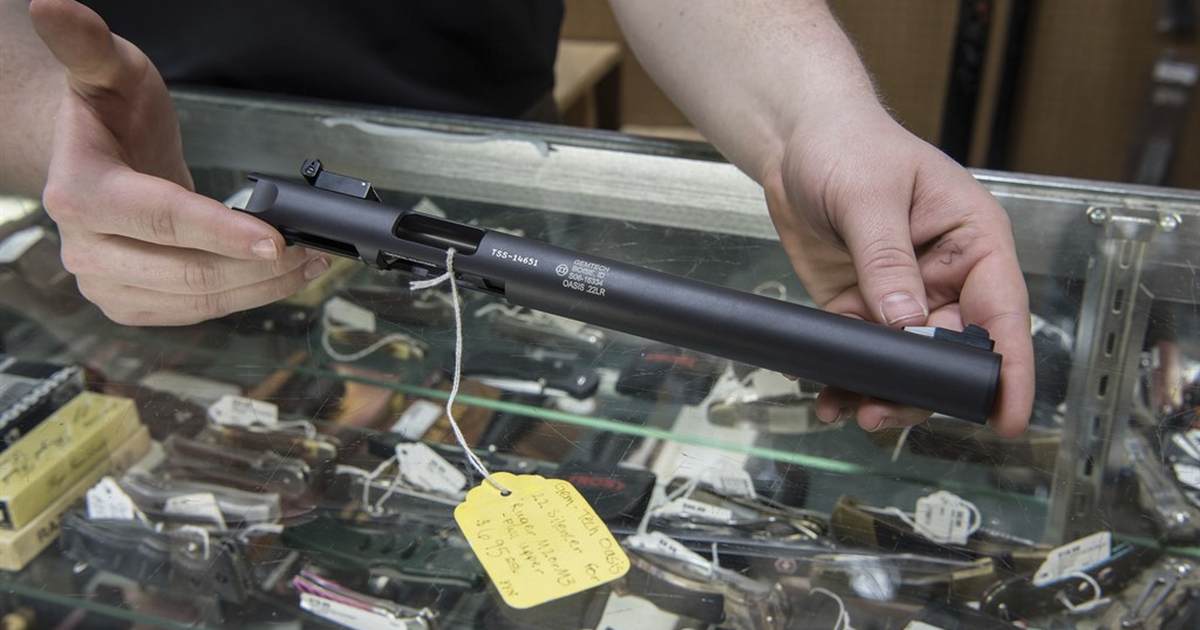
- What it covers: Short-barreled firearms and suppressors. Owners would not need to pay the federal tax or register the items under the NFA before possessing them under Ohio law.
- Current status: Both items are already legal to own in Ohio. The problem is that existing state law ties possession to the NFA process, so skipping it can mean a state felony.
- Federal backdrop: The DOJ says it will not enforce NFA registration. A federal court ruled that Congress lacked authority to impose registration after it zeroed out the making and transfer taxes on these items.
- McGuffey's objections: She says suppressed gunshots will be "muffled" and harder for ShotSpotter to detect. She warns of "a pretty prolific black market" and questions why anyone needs a short-barreled shotgun. She says she would likely not have opposed a suppressor-only bill with guidelines.
- Rep. Jean Schmidt's position: She argues that a right cannot be limited because a detection tool misses some shots. She also defends suppressors as hearing protection for hunters and clay shooters.
- ShotSpotter record: An analysis by the Weekly and Type Investigations found the system did not alert Chicago police to more than 20% of shootings and reckless discharges in its coverage area from January 2023 through August 2024. That gap includes at least 180 gun homicides, more than 600 nonfatal shootings, and more than 400 reckless discharges.
Background
The National Firearms Act of 1934 put short-barreled rifles and shotguns, suppressors, and other items under federal registration. For decades, a $200 transfer tax made lawful ownership a paperwork-heavy process. Congress zeroed out that tax in 2025, which changed the math for buyers. Registration, though, remained on the books, and gun owners and advocacy groups challenged it in federal court. A federal judge ruled that Congress lacked the authority to impose registration once the tax was gone. The Justice Department has since said it will not enforce the registration requirement.
Ohio's law never caught up. State statutes still tie possession of these items to NFA compliance. A person who follows the federal government's current position could still face a state felony charge. That mismatch is the problem SB 214 targets. Lawmakers voted to fix it, and the bill now sits on the governor's desk. ShotSpotter, the sheriff's main objection, is a separate private contract system that has faced criticism in several cities, including Chicago, where the city ended its contract in 2024.
Why It Matters for Gun Owners
If you live in Ohio and own a short-barreled rifle, short-barreled shotgun, or suppressor, this bill affects you directly. Right now, the state treats an item you legally bought under federal rules as a potential felony if the paperwork is missing or incomplete. SB 214 removes that exposure for lawful owners. It also gives dealers and buyers clear footing when they transact in these items inside Ohio.
Watch the governor's calendar. Ohio governors have set timelines for acting on bills, and a veto would leave the felony trap in place. If you own these items now, collect and keep every federal transfer record, tax stamp receipt, and purchase document. Store them where you can produce them fast. If you are a Hamilton County resident or live elsewhere in Ohio, contact the governor's office and your state representative. Tell them that a signature matters more than a sheriff's speculation. Owners in neighboring states should also track how Ohio handles this, since it signals where the federal registration fight is heading.
DownRange Analysis
Start with Bruen. Under New York State Rifle & Pistol Association v. Bruen, the government must justify a firearm restriction by pointing to historical tradition. A sheriff's worry that suppressors will degrade a gunshot detection system is not a historical analogue. Neither is the claim that a black market will grow for an item that anyone can build with basic tools. Those arguments describe policing preferences, not constitutional limits.
McGuffey's black market argument proves too much. Suppressors are not hard to make, so the black market already exists for any restricted item. Making lawful ownership easier does not create new criminal demand. For gun owners, the practical move is simple. Stay compliant, keep records, and do not assume that federal non-enforcement protects you under state law until SB 214 is signed. Support the bill publicly, because the sheriff's objections will get a hearing in Columbus whether gun owners show up or not.