PEW Science Warns: Not All HUB Mounts Work the Same with OCL Infinity 556K
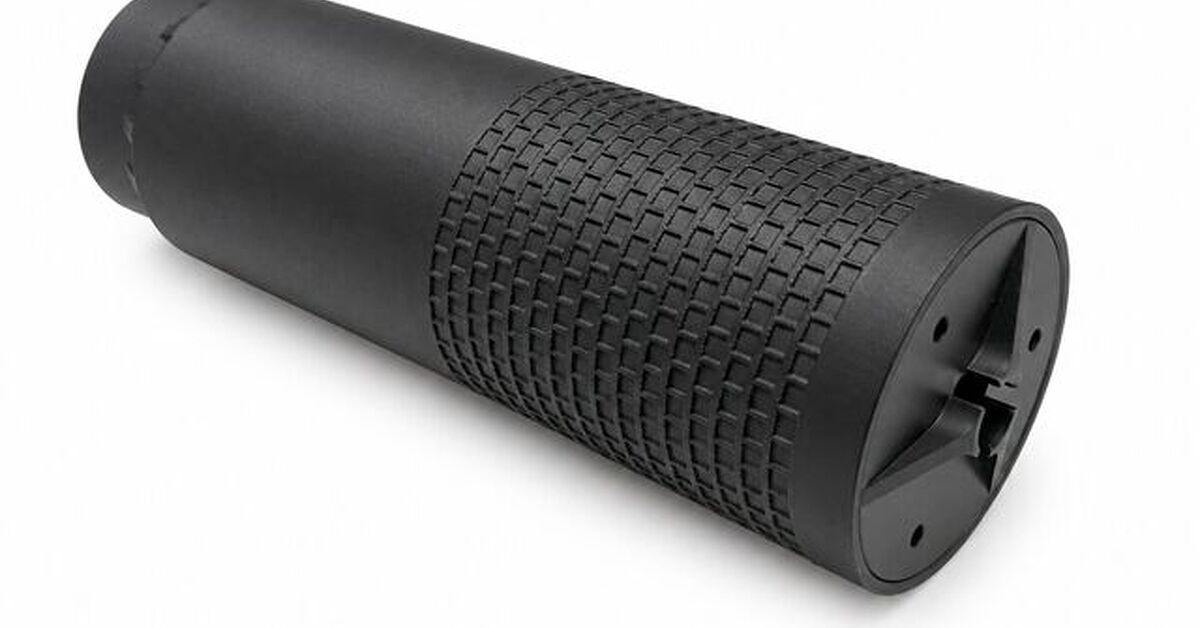
PEW Science's testing of the OCL Infinity 556K suppressor revealed a critical compatibility issue that gun owners need to know before buying. The suppressor accepts standard HUB-pattern mounts, but PEW Science explicitly cautions against assuming every compatible muzzle device will preserve the measured sound signature. A muzzle device reflecting too much blast into the first expansion chamber increases effective back pressure and degrades performance.
This finding matters because most shooters assume "compatible" means functionally identical. It doesn't. The Infinity 556K's engineering depends on precise gas dynamics inside its chambers. Pair it with the wrong muzzle brake or flash hider, and you're buying suppression performance you won't actually get.
PEW Science tested the Infinity 556K under controlled conditions. The suppressor performed as designed with matched hardware. Switch the muzzle device to a different HUB-pattern brake? Results changed. Performance degraded. Sound signatures altered.
Why It Matters for Gun Owners
Suppressors aren't cheap. The Infinity 556K costs serious money. You're investing in noise reduction, hearing protection, and reduced felt recoil. If you install it on your rifle without verifying muzzle device compatibility, you're gambling with that investment.
Daily carriers and serious shooters depend on consistent suppressor performance. At the range, that means knowing exactly how loud your gun sounds. In a defensive situation, that means understanding your weapon's actual capabilities. Incompatible hardware creates unpredictable results.
OCL's engineering team designed the Infinity 556K with specific pressure curves in mind. The first expansion chamber's geometry depends on controlled gas flow. Some HUB-pattern muzzle devices reflect blast differently than others. A flash hider designed for a different suppressor might redirect gas at angles that destabilize the Infinity 556K's internal baffles.
PEW Science's findings suggest you can't just grab any HUB-compatible device from your parts bin and expect your suppressor to perform identically. Contact OCL directly for their tested, approved muzzle device list. Most suppressor makers provide this. If they don't, ask why.
Background
OCL designed the Infinity 556K specifically for 5.56mm/.223 rifles. The suppressor uses HUB-pattern mounting, the modern standard for quick-detach systems. HUB pattern mounting became industry standard because it provides consistent alignment and quick installation without tools.
PEW Science conducts independent suppressor testing. They measure actual sound signatures with calibrated equipment at standardized distances. Their testing isn't promotional. They report what they find, including problems.
The Infinity 556K fits standard AR-pattern rifles, modern tactical carbines, and precision rifles chambered in 5.56mm. It's designed for shooters who want measurable noise reduction without sacrificing reliability or accuracy.
Suppressors work by expanding and cooling expanding gases. The Infinity 556K uses multiple chambers to slow gas expansion gradually. Each chamber's size and internal shape affects how effectively the suppressor reduces noise. Hardware compatibility affects how those chambers function.
DownRange Bottom Line
Buy the Infinity 556K? Contact OCL first. Get the approved muzzle device list. Buy tested, matched hardware. Don't assume HUB-pattern compatibility means plug-and-play performance.
PEW Science did you a favor by testing this. They found real incompatibilities. You get to learn from their testing instead of discovering problems at the range. Check OCL's recommendations. Verify your muzzle device before installation. Your suppressor's performance depends on it.