Massachusetts Voters Lean Toward Keeping 2024 Gun Law, Poll Shows
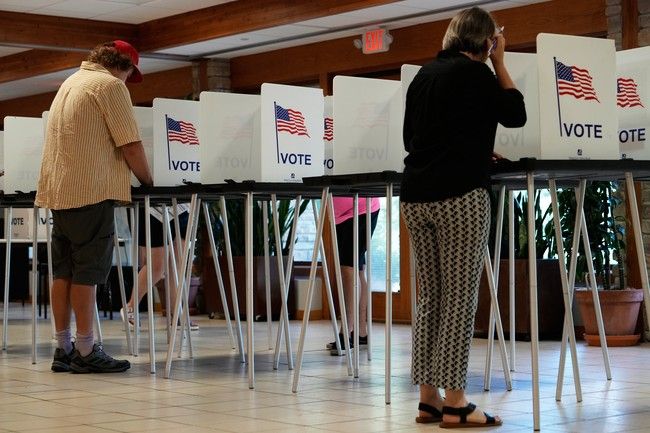
About seven in ten Massachusetts voters say they would vote yes on Question 9, which asks whether to uphold the state's 2024 gun law. A yes vote keeps that law in place. Repeal supporters face a steep climb, based on the latest poll numbers. The question sits on the 2026 ballot after a repeal-minded initiative qualified. Voters are being asked to affirm a sweeping rewrite of Massachusetts firearms rules, not a minor update.
Key Details
The poll breaks down support as follows:
- 49% say they would definitely vote yes on Question 9.
- 21% say they would probably vote yes.
- Combined, that puts support for upholding the law near 70%.
The 2024 law created criminal penalties for building your own firearms at home. Before the change, home manufacture for personal use carried far less legal exposure in the state. The law also expanded who can petition a court for a red flag order. Under the new language, school administrators and hospital personnel can file those petitions alongside law enforcement and family members. The measure touches manufacturing, licensing, and protective orders, which makes it a broad overhaul rather than a single fix.
The poll did not publish its full question wording in the portion available for review. That matters. A question asking whether voters want to keep a law that "updated" state gun rules will draw a very different answer than one that spells out the home-building penalties and expanded red flag petitioners. Read the actual ballot language and the pollster's methodology before drawing firm conclusions from the topline.
Background
Massachusetts has operated under one of the strictest firearms frameworks in the country for decades. The state's 1998 Massachusetts Gun Control Act established the licensing system that governs gun ownership and carry. Owners need a license to possess firearms, and residents seeking to carry must clear a discretionary licensing process administered locally. Gun-rights groups have challenged various parts of that system in court for years.
Governor Maura Healey signed the 2024 law in July of that year. Supporters framed it as a public safety package. Opponents, including gun-rights organizations, gathered signatures to put a repeal question before voters. The resulting ballot fight now centers on whether the state keeps the new penalties and red flag expansions in place.
The Second Amendment case law shaping these fights has moved fast since 2022. In New York State Rifle & Pistol Association v. Bruen, the Supreme Court held that modern gun laws must fit the nation's historical tradition of firearms regulation. That test applies in Massachusetts courts and federal courts alike. Massachusetts also carries heavy symbolic weight for gun owners. The first shots of the American Revolution were fired at Lexington and Concord in April 1775, when British troops marched to seize colonial militia arms.
Why It Matters for Gun Owners
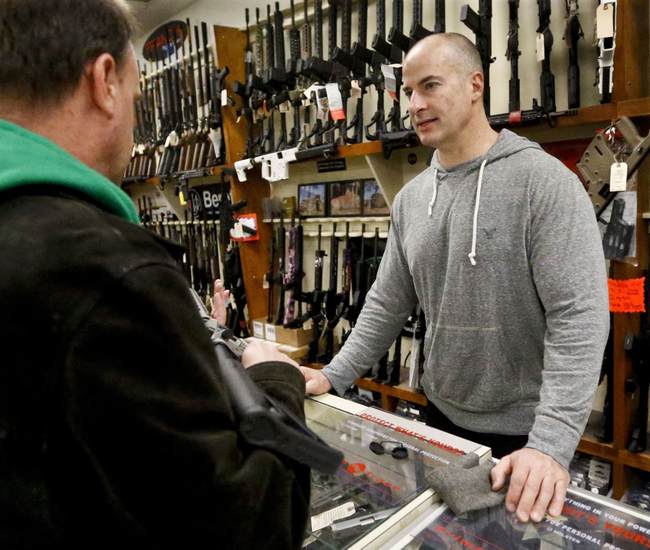
Anyone who owns, builds, or carries a firearm in Massachusetts should treat this vote as a direct line to their daily rights. Licensed owners holding a Firearms Identification card or License to Carry will see the outcome shape how the state treats renewals and new applicants. Hobbyists who build rifles or pistols at home face the most immediate change. Under the 2024 law, that activity carries criminal exposure that did not exist in the same form before.
Red flag orders deserve equal attention. Expanding petitioners to school administrators and hospital staff widens the number of people who can start the process against a gun owner. That means more filings, faster filings, and more owners who must respond to an emergency hearing on short notice. Keep your paperwork current, and know what a protective order requires before one ever lands on your doorstep.
Gun owners who travel or move in and out of the state should also watch the vote. A Massachusetts result will not change federal law, but it will shape how the commonwealth interacts with out-of-state permit holders and interstate transport. Check the rules before you cross a state line with a firearm.
DownRange Analysis
The 70% number is a warning, not a verdict. Polls have missed in the past, and wording matters more than most voters realize. Still, the home-building penalties are the weakest part of this law under a Bruen analysis. The Court asks whether a modern restriction matches historical analogues. Home manufacture has deep roots in American practice, and a criminal penalty for it will face hard questions in court. The red flag expansion invites due process arguments that gun owners should press.
Courts can still intervene after the vote. A ballot result does not end the constitutional question. Massachusetts owners who face prosecution or a protective order should document everything and call a lawyer with Second Amendment experience. Do not assume a voter approval shields the law from challenge.
For now, act on what the law says today. Build within the rules, store and transport firearms correctly, and keep license paperwork current. Get to know your local gun-rights organizations and support the litigation funding they run. Then vote, and bring a friend who has been sitting out.