Japan's Newest Rifle Makes Indonesian Combat Debut
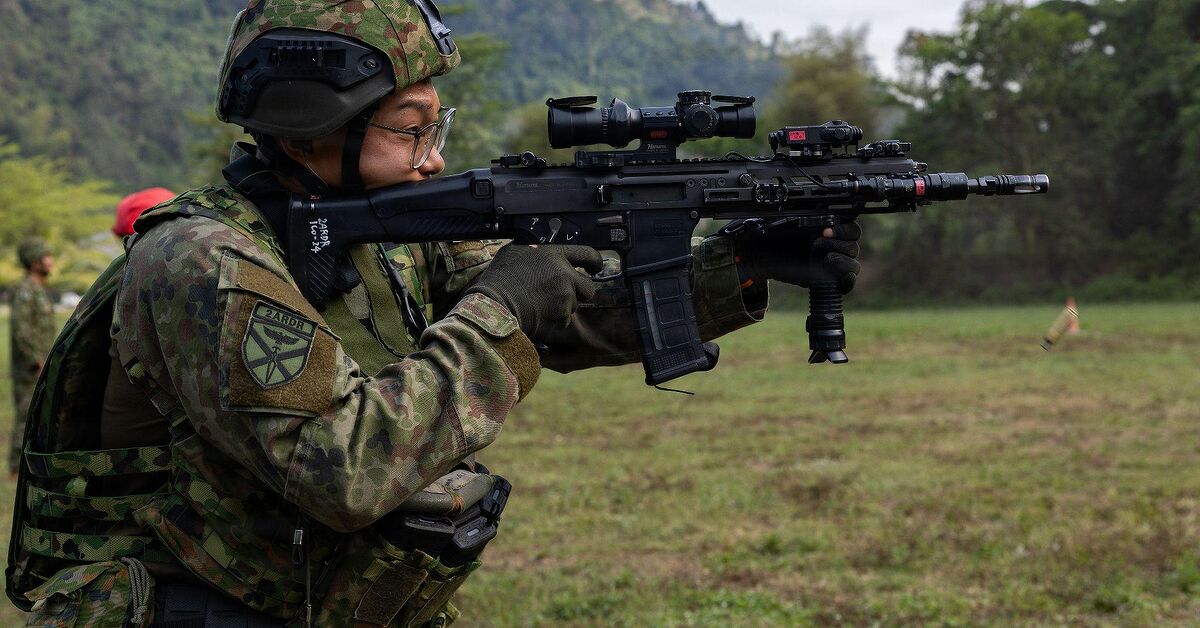
The Howa Type 20 appeared in Indonesia this week, marking the rifle's first international deployment. Japan Ground Self-Defense Force personnel from the 2nd Amphibious Rapid Deployment Regiment arrived at the Indonesian Marine Corps 9th Infantry Battalion base near Lampung with the newly adopted platform. This move signals Tokyo's willingness to field modern small arms alongside regional allies in Southeast Asia.
The Type 20 represents Japan's first major rifle replacement since the Cold War ended. Howa Machinery designed and manufactures the 5.56 NATO rifle to replace aging platforms. The rifle features a modern ergonomic layout, ambidextrous controls, and Picatinny rail systems for optics and accessories.
Why It Matters for Gun Owners
The Type 20's Indonesian appearance reveals Japan's strategic shift toward regional military partnerships. For American gun owners, this deployment demonstrates how allied nations standardize on NATO ammunition and modular designs. When foreign militaries adopt 5.56 rifles with Picatinny rails, ammunition supply chains and accessory compatibility expand globally.
The rifle's design philosophy mirrors trends dominating civilian and military markets stateside. Ambidextrous bolt releases, dust covers, and rails became standard on AR-15s and competing platforms years ago. Japanese engineers incorporated these features into the Type 20, showing that best practices in ergonomics now drive development worldwide.
Indonesia's interest in modern Japanese rifles strengthens defense ties between Tokyo and Southeast Asian nations. Regional stability matters to American firearms enthusiasts because military modernization efforts affect global ammunition prices and availability. When allied nations increase defense spending and field new weapons, ammunition manufacturers expand production capacity.
The Type 20's appearance abroad also matters because it represents competition in the global rifle market. Countries previously locked into Soviet-era platforms now evaluate modern alternatives. This competitive pressure benefits shooters through innovation and drives ammunition standardization around NATO cartridges.
Background
Japan adopted the Type 20 in 2020 after years of development and testing. The rifle fires standard 5.56 NATO ammunition, moving away from Japan's previous 5.56mm proprietary rounds. Howa designed the platform to meet modern battlefield requirements while maintaining reliability in harsh environments.
The 2nd Amphibious Rapid Deployment Regiment conducts combined operations training with Indonesian forces. These joint exercises test equipment, tactics, and interoperability between allied nations. Deploying the Type 20 during training operations validates the rifle's performance and demonstrates Japanese military capabilities to regional partners.
Indonesia's 9th Infantry Battalion operates in challenging tropical environments near Lampung. The humid, salt-laden air and dense vegetation test rifle reliability and corrosion resistance. Successfully fielding the Type 20 in these conditions proves the rifle handles demanding climates.
Japan's defense modernization reflects growing regional security concerns and strategic repositioning in the Indo-Pacific. Tokyo seeks to strengthen military partnerships with like-minded nations while establishing defense equipment export credentials. International deployments build confidence in Japanese-manufactured weapons systems.
DownRange Bottom Line
The Howa Type 20 now operates beyond Japan's borders, validating a modern rifle design built on proven ergonomic principles. Gun owners recognize the Type 20's features because they've become standard on quality rifles worldwide. Indonesia's adoption reflects broader trends toward NATO standardization and modular platforms.
This deployment matters because allied military modernization sustains global ammunition supply chains and drives accessory innovation. When nations field rifles with Picatinny rails and ambidextrous controls, civilian manufacturers benefit from scaled production. The Type 20's Indonesian debut signals continued demand for modern 5.56 platforms and ammunition.