Austin Councilman Disputes ICE Officer's Account of Shooting
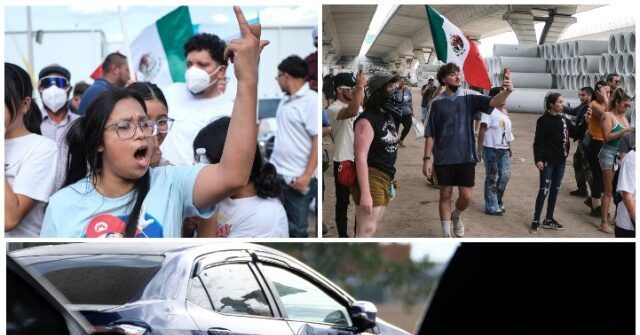
An ICE officer shot a fleeing illegal alien in Austin on Sunday, triggering street protests in the Texas capital. City Councilman Mike Siefel publicly alleged the officer fired five times through the vehicle's windshield. The Austin police chief contradicted Siefel's version of events. Investigators have not yet released a final determination on the circumstances surrounding the shooting or officer conduct.
Key Details
- Shooting occurred Sunday in Austin during an apparent apprehension attempt
- Councilman Siefel claimed the ICE officer discharged five rounds through the car's windshield
- Austin police leadership directly refuted the councilman's public allegations
- Protests mobilized in response to the incident
- Investigation remains active with facts still under review
Why It Matters for Gun Owners
This incident illustrates how quickly law enforcement shooting narratives become weaponized in city politics before facts are established. Councilman Siefel's specific allegation—five rounds through glass—carries legal weight if true, as it touches on use-of-force doctrine and officer training standards. Gun owners should watch how Austin's investigation concludes, particularly whether the officer's actions align with Texas law on defensive use of force and federal ICE protocols. If the councilman's claims prove false, it demonstrates how elected officials exploit officer-involved incidents to drive anti-law-enforcement agendas without waiting for evidence. Conversely, if the shooting violated policy, it affects how federal agents operate in Texas jurisdictions going forward.
DownRange Analysis
Councilman Siefel's immediate public statement attacking the officer—before investigation completed—signals this case will be decided in the court of public opinion before the facts matter. The police chief's contradiction is notable: someone with direct access to preliminary evidence rejected the councilman's framing. Gun owners should demand the investigation remain independent and evidence-driven. Whether the officer acted lawfully depends on threat assessment, distance, and the suspect's actions—not council rhetoric. This case will likely influence how federal immigration enforcement operates in Austin long-term, potentially affecting officer tactics and community cooperation with ICE statewide.