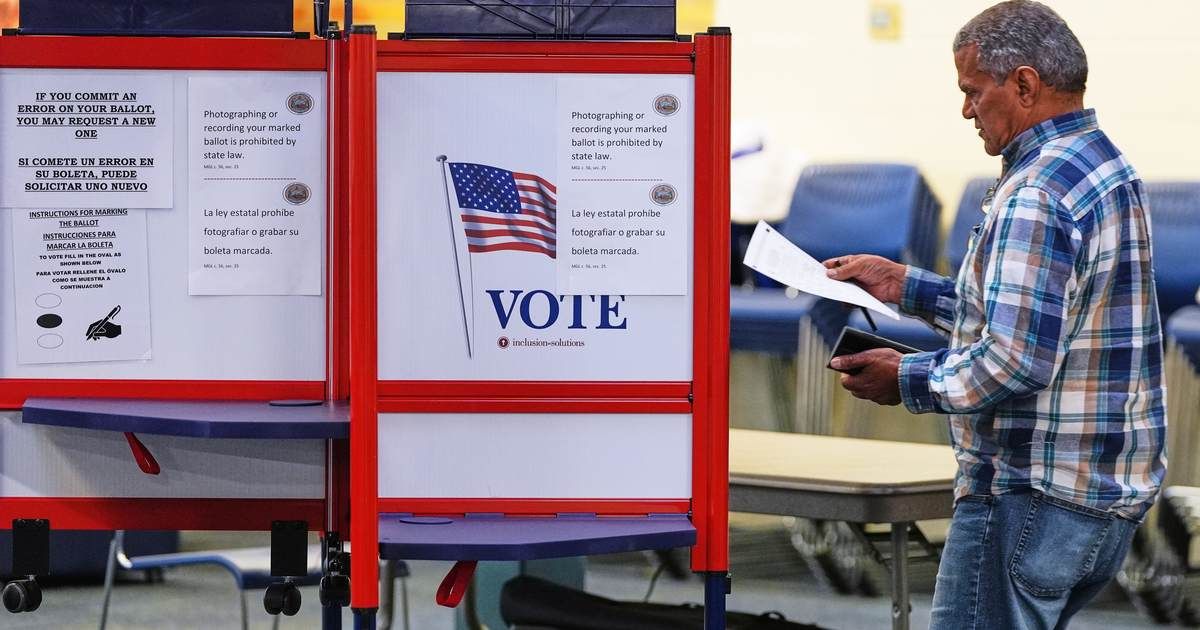
Democrats' Midterm Sweep May Trigger a Gun-Buying Surge
The Citizens Committee for the Right to Keep and Bear Arms expects Americans to buy guns and ammunition in large numbers before newly elected Democrats write new firearm laws. CCRKBA Chairman Alan Gottlieb made the prediction after Democrats won control of both the House and Senate in the November 3, 2026 midterm elections. Gottlieb says the party also gained governorships and state legislative seats. He warns of a buying surge 'not seen since 2020' and a wave of anti-Second Amendment bills. Gun owners should treat that forecast as a signal, not a guarantee. The October background check numbers already show demand moving up before the new Congress takes office.
Key Details
The forecast rests on a few concrete points. Here is what the source reports:
- Election date: Tuesday, November 3, 2026.
- Congress: Democrats control both chambers. President Donald Trump keeps the veto, and Senate procedural rules can still block controversial bills.
- Target: Gottlieb expects lawmakers to focus on modern semiautomatic rifles and pistols, possibly before the Supreme Court rules on whether those firearms are protected by the Second Amendment.
- Sales data: NSSF reported 1,402,422 adjusted NICS background checks in October 2026, a 7.9% increase over October 2025.
- Caveat: Adjusted NICS checks do not equal firearms sold. One check can cover multiple guns.
- State level: Democrats gained several governorships and made major legislative gains, which could open new routes for restrictions in states where the party holds both the governor's office and the legislature.
Gottlieb's quote carries the core argument. He says restriction talk drives people to the counter. Gun buyers who were on the fence often move when they believe a firearm, magazine, or ammunition type is about to be restricted.
Background
Buying spikes after political shocks are not new. The pattern runs through the last two decades. After the December 2012 Sandy Hook shooting, the federal government pursued a renewed assault weapons ban, and sales rose through that period. The 1994 federal assault weapons ban expired in 2004 and was never renewed, so the question of a return has hung over the market for years.
In 2020, pandemic panic and civil unrest pushed background checks to record levels. Many first-time buyers entered the market that year. Those buyers became a large part of the current gun-owning population.
The legal framework has also shifted. In District of Columbia v. Heller (2008), the Supreme Court said the Second Amendment protects an individual right and tied protection to arms in common use. In New York State Rifle & Pistol Association v. Bruen (2022), the Court set a text-and-history test for gun laws. Under Bruen, the government must show that a modern regulation fits the nation's historical tradition of firearm regulation. That standard now drives challenges to state laws, including those on semiautomatic rifles.
Why It Matters for Gun Owners
Start with the federal picture. A federal semiautomatic ban would need to clear both chambers and survive a presidential veto. With Trump in office, that bar stays high. Federal risk is lower in the next two years than the headlines suggest.
State law carries the real exposure. Democrats who hold the governor's office and both legislative chambers can pass bills without Republican votes. Virginia is the clearest example of a state where Democrats now control the top offices and the legislature, so gun owners there should track every session closely. Colorado, New Jersey, New York, California, and Illinois already run some of the strictest firearm regimes in the country, and new proposals there often arrive with short timelines.
Watch for three things. First, bills that change magazine capacity limits or redefine 'assault weapon' features. Second, permit-to-purchase or training mandates that add steps before a legal purchase. Third, changes to transfer and registration rules. Any of those can affect what you own or how you buy.
DownRange Analysis
The forecast is plausible, but the data is more modest than the rhetoric. A 7.9% rise in adjusted checks is real movement, not a 2020-style stampede. Gun owners should not confuse a demand bump with a shortage. Prices and availability move on supply, and the 2020 scramble showed how fast shelves empty.
On the law, Bruen gives gun owners a strong argument. A ban on popular arms in common use faces hard history questions. States will have to prove their rules fit the historical record, and that burden matters in court. Expect litigation to follow any new state law within days.
What should you do now? Buy what you need for self-defense and sport, not what you fear losing. Keep receipts, serial numbers, and purchase records organized. Check your state's pending bills and your legislator's voting record before the next session. Contact your representatives early and specifically. Panic buying feeds the narrative that gun owners are reckless. Steady, documented ownership is the stronger position.