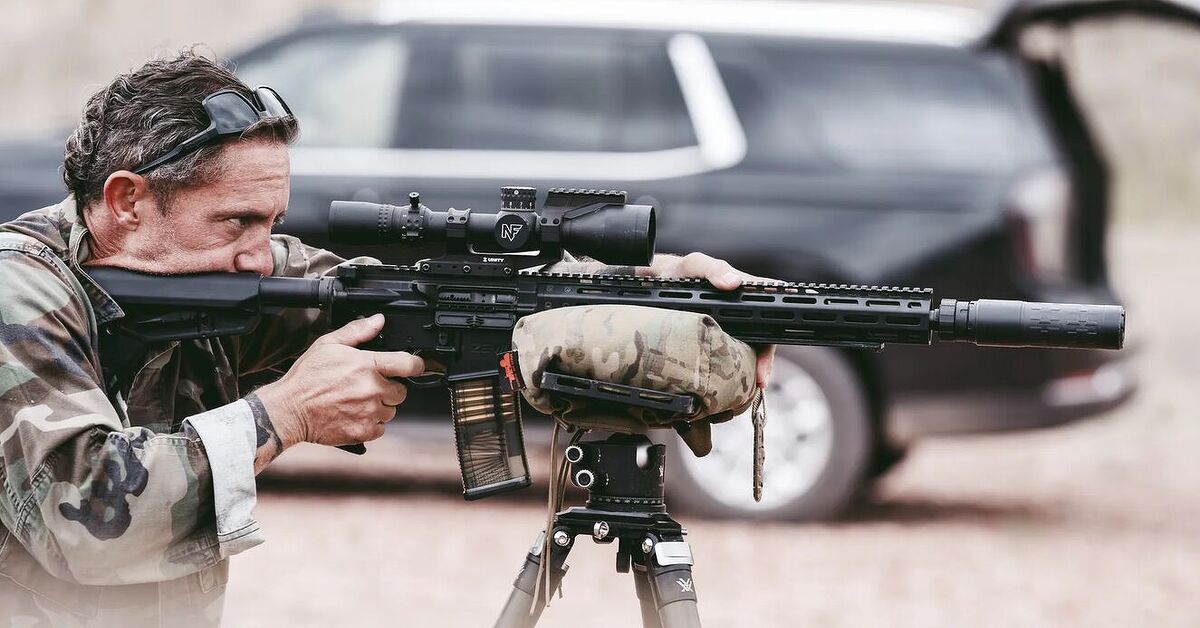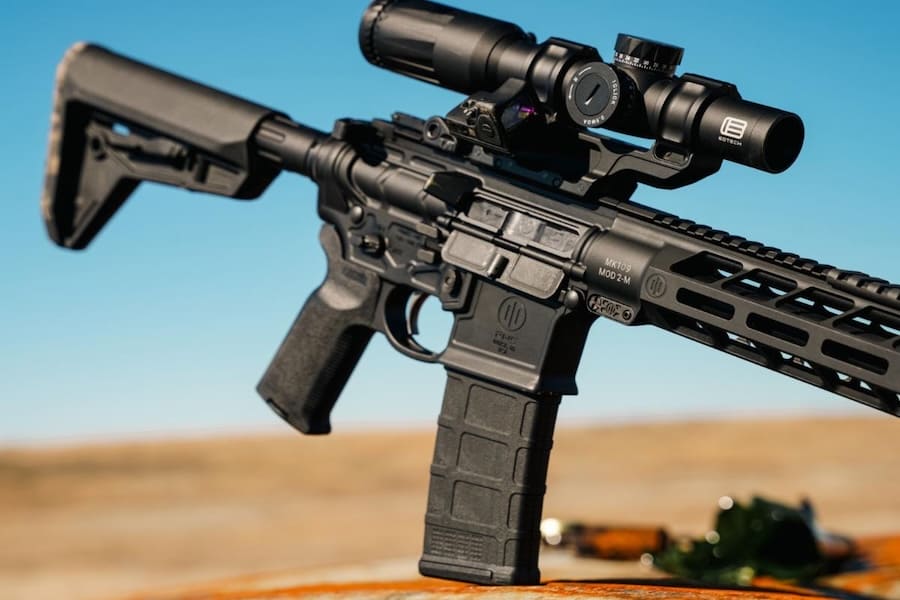
PWS MK109 MOD 2-M: Suppressor-Ready .300 BLK SBR With a Piston
Primary Weapons Systems added the MK109 MOD 2-M, a .300 Blackout short-barreled rifle built around a long-stroke piston system and aimed at suppressor users. The rifle sits on a 9.75-inch barrel with a 1:6 twist. Instead of blowing hot gas back into the receiver like a direct-impingement gun, the piston system vents excess gas forward. PWS expanded its long-stroke lineup with this model, and the company is marketing it as a cooler, cleaner short .300 BLK that cuts down on the gas blowback that often hits shooters when they add a can to a short barrel. Buyers should know up front that this is an NFA firearm, which means federal transfer and registration paperwork before ownership.
Key Details
The MK109 MOD 2-M is a compact rifle with a specific parts list. PWS lists the following features:
- Caliber: .300 Blackout
- Barrel: 9.75 inches, 1:6 twist, made in-house from PWS's 41V50 steel
- Accuracy: Sub-MOA guarantee with quality ammunition
- Muzzle device: FRC 2 Port compensator, which manages recoil and doubles as a suppressor mount
- Handguard: Patent-pending PICLOK free-float rail that accepts Picatinny and M-LOK accessories without adapters
- Controls and internals: Radian charging handle, Radian Talon safety selector, enhanced H2 buffer
- Stock and grip: Magpul SL stock and Magpul K2 pistol grip
- Legal status: NFA-regulated short-barreled rifle requiring federal transfer and registration
PWS says the gas system helps the rifle run cooler and cleaner. The company ties that claim directly to the suppressed-shooting use case. The compensator also gives a practical path to a suppressor setup without a separate mount, which matters on a rifle this short.
Background
Most AR-pattern rifles use direct impingement, which routes propellant gas through a tube into the bolt carrier group. Piston rifles take a different route. A piston drives a operating rod or carrier, and the gas stays out of the action. Shooters have long claimed that piston guns run cleaner and stay cooler, and that claim gets more attention on short-barreled guns, where gas pressure stays high relative to barrel length.
The National Firearms Act of 1934 governs short-barreled rifles, meaning rifles with barrels under 16 inches. Until recently, the $200 transfer tax on SBRs and suppressors was a major cost, and the Form 4 approval process could take months. The 2025 tax law, commonly called the One Big Beautiful Bill Act, reduced that tax to zero for these items beginning January 1, 2026. The registration requirement and the federal approval process remain in place. Manufacturers responded by rolling out more short-barreled and suppressor-ready platforms, and PWS's MK109 fits that pattern.
PWS has built its reputation on AR-platform rifles and parts. The MK109 extends a piston line the company has been developing, rather than starting from scratch.
Why It Matters for Gun Owners
Anyone considering a suppressor-ready SBR should weigh the paperwork first. Every MK109 buyer needs an approved Form 4 before taking possession, and the rifle cannot legally be shot in a short configuration until that approval clears. Buyers should confirm their state's rules too. Some states restrict NFA items or suppressors beyond federal law, and a few ban them outright. Check local statutes before ordering.
The piston design matters for owners who already run suppressors on short .300 BLK guns. Direct-impingement SBRs can push gas back into the shooter's face, and that blowback becomes worse with a can attached. A piston system addresses that problem at the source. Owners who shoot suppressed for hunting, training, or home defense will find that benefit more useful than the spec sheet numbers.
Watch the mount. The FRC 2 Port compensator doubles as a suppressor mount, so confirm thread pitch and mounting compatibility with any can you plan to buy. Mismatched mounts cause headaches and sometimes damage. Also check the registry status before you get attached to a gun you cannot yet take home.
DownRange Analysis
This rifle tests a question the courts keep circling: how far the NFA's registration scheme can stretch when the tax is gone. Zeroing the tax removes the revenue argument that defenders of the scheme once leaned on. What remains is a registry and a pre-approval process for items that many states have already treated as ordinary firearms. Under Bruen, the government must point to a historical analogue for regulating arms. Short-barreled rifles and suppressors are arms in common use by lawful owners, and the 1934 registry was built for Depression-era gangster weapons. Expect continued litigation over that gap.
From a market standpoint, expect more SBR and suppressor-ready platforms from established makers. Manufacturers see demand, and a $0 tax removes a long-standing barrier for buyers. Compare builds carefully. A gas system that runs cooler helps, but barrel quality, bolt and buffer tuning, and muzzle device choice matter just as much.
Right now, if you want this rifle, start the paperwork through a licensed dealer and file your Form 4 before you shop for a can. Confirm your state allows NFA items. If you already own a short .300 BLK with blowback problems, study the piston option before buying another direct-impingement gun. Keep your receipts and approvals organized, because the registry remains the one part of the NFA that never went away.