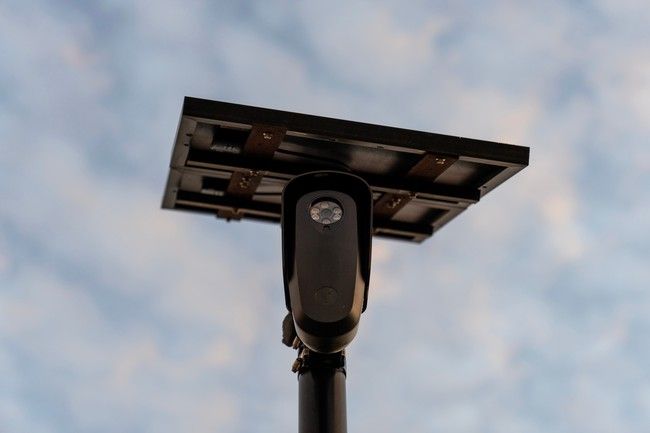
Flock AI Cameras Pose Serious Privacy Risks for Gun Owners
Flock Safety's license plate recognition cameras now operate in thousands of U.S. locations, creating a nationwide automated surveillance network that gun owners should understand and prepare for. The technology captures vehicle data continuously—plate numbers, timestamps, locations—and stores it indefinitely. Unlike traditional traffic cameras, these systems operate 24/7, track movement patterns, and share data with law enforcement without warrants in many jurisdictions. Gun owners who attend ranges, shops, rallies, or training events leave digital breadcrumbs at every stop.
Key Details
Flock cameras use artificial intelligence to automatically identify and log every vehicle that passes. The system stores data for extended periods, allowing retroactive searches by law enforcement. Police can query the database without a warrant in many cases, searching for vehicles at specific locations and times. Data sharing agreements between Flock and law enforcement vary by jurisdiction, but the company's business model depends on making data accessible to paying agencies. Gun owners attending ranges, competitions, or Second Amendment events create searchable records of their movements and associations.
Why It Matters for Gun Owners
Mass surveillance infrastructure threatens core Second Amendment freedoms: association, privacy, and anonymous exercise of rights. A gun owner attending a local range, firearms class, or pro-gun event now faces automated tracking at every intersection. Law enforcement can retroactively identify who visited a shooting range, ammunition store, or gun shop on specific dates. This creates a chilling effect—people may avoid lawful activities if those activities generate permanent surveillance records. States with hostile gun laws could weaponize Flock data against gun owners. Competitive shooters, hunters, and carry permit holders should assume their vehicle movements are being logged and stored. This extends far beyond traditional law enforcement use; the data can follow you through employment checks, relationship disputes, or political targeting.
DownRange Analysis
Flock represents a critical gap in post-Bruen Second Amendment protection. The Supreme Court has ruled that the government cannot impose barriers to lawful gun ownership or use, but surveillance infrastructure creates practical barriers through chilling effects and information asymmetry. Gun owners cannot exercise rights freely if exercising those rights generates permanent records of association and location. The technology itself is neutral—but its deployment as mass surveillance favors anti-gun jurisdictions and creates unequal burden on Second Amendment advocates. Gun owners should assume all vehicle movements are recorded, consider using rideshare or alternate transportation when attending shooting events, use privacy-focused phone settings, and stay informed about Flock deployments in your state. This is infrastructure you cannot opt out of—only prepare for.