Pentagon Abandons Cold War Doctrine for Controlled Tactical Nuclear Use
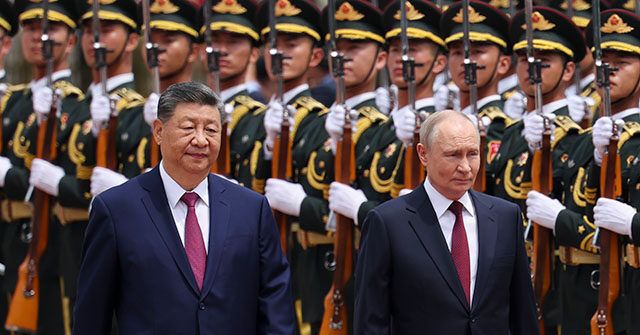
The Department of Defense is drafting updated nuclear strategy prioritizing short-range tactical nuclear weapons in regional conflicts instead of immediate full-scale intercontinental exchange. This shift reflects changing threat assessments involving potential conflicts with China and Russia, marking departure from Cold War doctrine treating any nuclear use as threshold to total war.
The revised strategy emphasizes limited tactical nuclear deployments as tools for regional conflicts. The Pentagon's approach abandons the assumption that any nuclear strike automatically triggers escalation to intercontinental ballistic missiles and strategic weapons. Future conflicts may require graduated nuclear response options rather than binary all-or-nothing choices. The strategy addresses potential simultaneous threats from both China and Russia.
Why It Matters for Gun Owners
Second Amendment advocates must track nuclear doctrine because it reflects government assumptions about conflict, preparedness, and civilian defense capabilities. A strategy emphasizing controlled tactical escalation rather than mutually assured destruction suggests the Pentagon expects prolonged regional conflicts where civilian infrastructure and population centers remain operational.
This has direct implications for civil defense readiness, supply chain resilience, and long-term viability of civilian firearms availability. Gun owners concerned with worst-case scenarios should understand that government planning now assumes scenarios where local self-defense capacity and ammunition supply chains become critical assets during extended conflicts short of total war.
If Pentagon planners believe regional nuclear conflicts remain winnable and survivable, they're also implicitly betting that civilian populations will need to defend themselves during extended post-conflict periods. Ammunition availability, firearm reliability, and local security capabilities shift from theoretical prepper concerns to potential operational necessities in this strategic framework.
Carriers and gun owners should consider that supply chain disruptions during any regional conflict—nuclear or conventional—create ammunition shortages similar to 2020-2021. Strategic reserve ammunition becomes valuable. Firearm maintenance knowledge and spare parts gain practical importance. Communities with trained armed citizens become more resilient during extended conflict scenarios.
Background and Strategic Shift
Cold War nuclear strategy relied on Mutually Assured Destruction (MAD). Any Soviet nuclear strike triggered automatic U.S. strategic response, making nuclear war equivalent to civilizational suicide. This logic prevented nuclear weapons use for decades.
Modern threats differ. China and Russia possess advanced conventional militaries and regional nuclear arsenals. A U.S.-China conflict over Taiwan or a U.S.-Russia conflict over Eastern Europe might involve limited nuclear use without escalating to homeland exchanges. Pentagon strategists now believe controlled tactical nuclear employment is possible—and preferable to massive conventional casualties or immediate strategic escalation.
The Pentagon's shift reflects military realities. Tactical nuclear weapons offer battlefield solutions without threatening American cities. This makes nuclear weapons "usable" in ways Cold War doctrine forbade. Russia's doctrine already emphasizes tactical nuclear use in regional conflicts. The U.S. is now formally adopting similar assumptions.
This strategic evolution took years. The 2022 Russian nuclear threats during Ukraine invasion accelerated the timeline. Pentagon planners watched Russia threaten tactical nuclear use without following through, suggesting these weapons function as escalation tools rather than conflict enders.
DownRange Bottom Line
Pentagon nuclear strategy now assumes survivable regional conflicts lasting months or years. Gun owners should recognize this reflects government expectations about extended conflict scenarios. Your ammunition supply, firearm reliability, and community security capabilities matter in this strategic framework.
Carriers should evaluate their preparedness assumptions. If government planners expect prolonged regional conflicts with operational civilian populations, individual self-defense capabilities gain importance beyond personal protection. Stock quality ammunition. Maintain your firearms. Know your community's security resources. Pentagon planning just validated why.