San Francisco Has No Gun Shops and Now a Gun-Buying Play
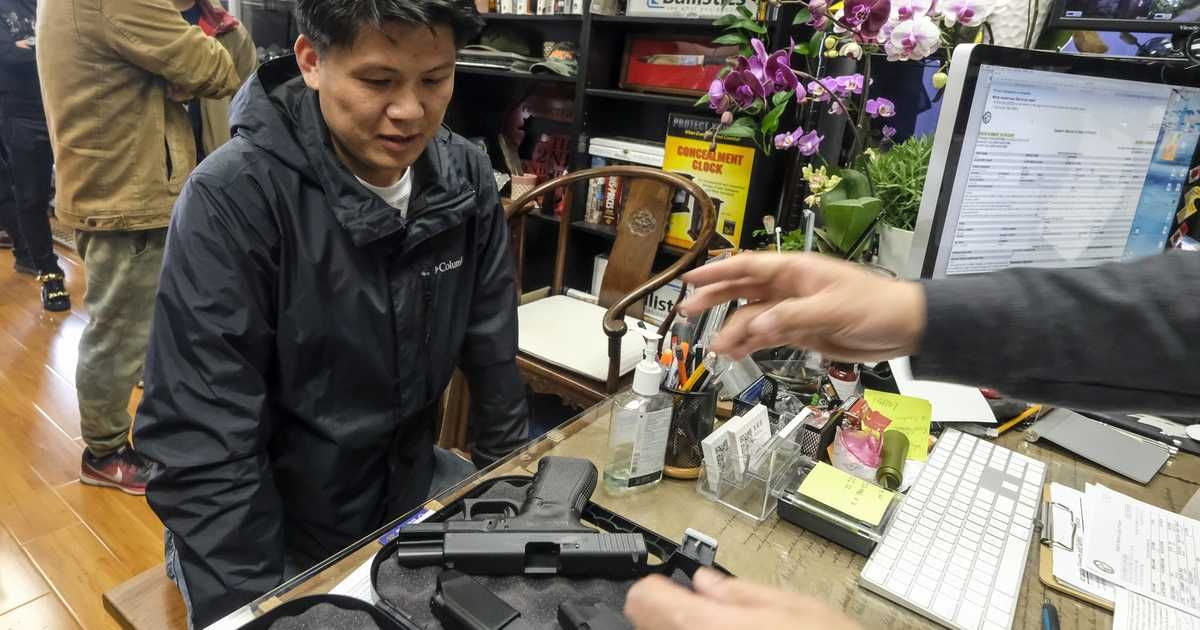
San Francisco has no operating gun store inside its city limits, and a local theater company is now staging a play about buying one. The San Francisco Neo-Futurists are running We Bought a Gun!, a full-length production about a Bay Area couple who become first-time gun owners. Performers Willie Caldwell and Jeb play the pair. The show's subject matter alone makes it a notable choice for a city that has spent decades tightening its firearms rules. For a gun owner, the premise matters less than the setting. A resident here cannot walk into a shop and buy a firearm, so the couple's story plays out in a place where the transaction itself has been removed from everyday life.
Key Details
The production details and the surrounding facts are straightforward. Here is what the reporting establishes:
- Production: We Bought a Gun!, staged by the San Francisco Neo-Futurists.
- Performers: Willie Caldwell and Jeb, who portray a contemporary Bay Area couple.
- Format: The company stages 30 very short works in 60 minutes every Friday and Saturday night. This play is a full-length piece from the same group.
- Critical response: San Francisco Chronicle theater critic Lily Janiak reviewed the show. She wrote that the performers do not explain the couple's purchase right away. Instead, they build a low-grade sense of dread around the statistics on homicide and suicide in homes with guns.
- Scale: The reporting cites roughly 100 million Americans who own firearms.
- Local retail: High Bridge Arms was the last gun shop in San Francisco. It closed in 2015 after 63 years in business.
- California requirements: The critic points to a 10-day waiting period, a mandatory safety certificate, and background checks on ammunition purchases.
Background
San Francisco's gun retail problem did not start with a play. High Bridge Arms operated for more than six decades before its 2015 closure, and the city has not had a gun store since. The business case for a shop inside the city limits has been difficult for years, and the 2015 closure made that reality visible. California layers its own requirements on top of federal law. Buyers face a 10-day waiting period before taking possession of a handgun. The state also requires a handgun safety certificate, which applicants obtain by passing a test. Voters approved Proposition 63 in 2016, which created the ammunition background check system. Legal challenges to that system have moved through federal court. The 2022 Supreme Court decision in New York State Rifle & Pistol Association v. Bruen changed the constitutional test for gun laws. Courts now ask whether a regulation fits within the nation's historical tradition of firearm regulation. California's rules sit squarely in that analysis.
Why It Matters for Gun Owners
Any Californian who buys a first gun goes through the same gauntlet the play describes. Expect a waiting period, a safety certificate, and a background check on ammunition. Each step adds time and cost, and each one filters out buyers who might otherwise make a lawful purchase. Residents of San Francisco face an extra barrier. They cannot buy a firearm from a local dealer, so they must travel to a store in another county to complete a transfer. Gun owners in other states should pay attention to how California's rules get framed in cultural coverage. Public perception drives legislation, and a play that treats gun ownership as a puzzle to solve reflects how many urban audiences already view the subject. Owners who talk with neighbors and coworkers about their purchases shape that perception more than any statute. Keep your paperwork organized, know your state's transfer rules before you buy, and be ready to explain your reasons calmly.
DownRange Analysis
The play is a cultural story. The legal story is what matters. California's waiting period, safety certificate, and ammunition background checks will face hard questions under the Bruen framework. Courts have to find historical analogues for each requirement, and the state has to prove those analogues exist. Ammunition checks are the weakest link in that chain. They burden a right that the Second Amendment protects, and they add little to the historical record the state can point to. Gun owners should track the Rhode v. Bonta litigation and any follow-on rulings. Market effects are real too. A city with no gun shops will keep sending its residents to neighboring counties, and that pattern drives sales away from local businesses. Do not wait for a court to fix your situation. Document your compliance, support litigation groups that challenge these rules, and vote in local elections that shape how San Francisco treats lawful buyers.