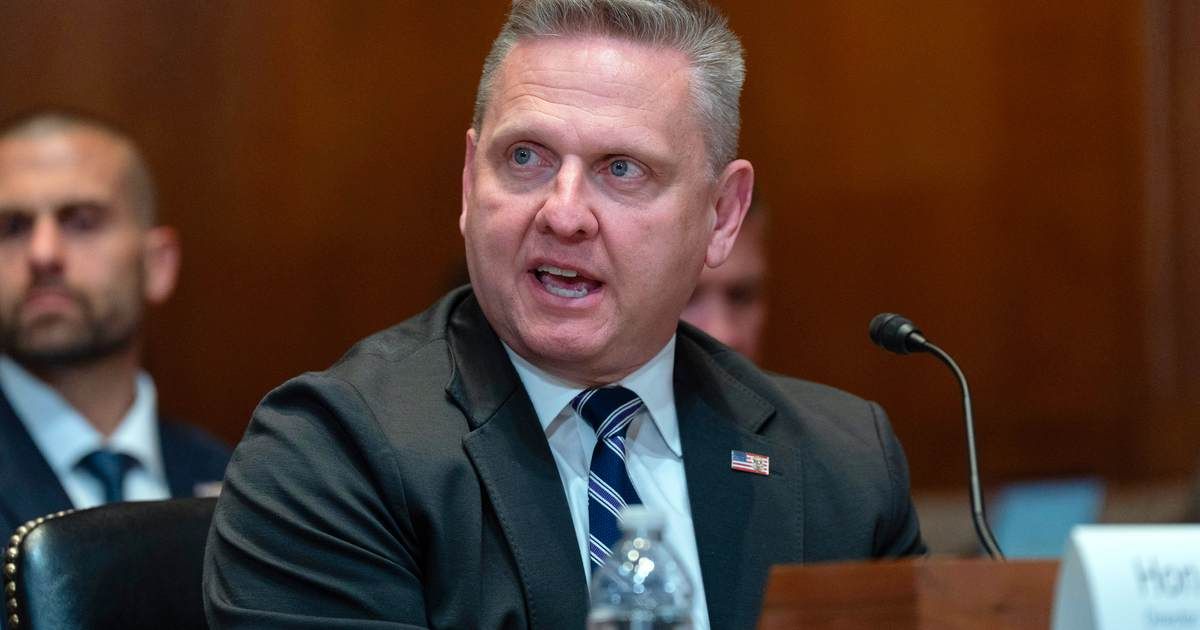
ATF Director Robert Cekada Vows No Change After Midterm Losses
ATF Director Robert Cekada says the midterm losses will not change his agency's direction. He said Monday that he will keep pushing deregulation and will not resign unless President Trump removes him. The comments followed a Sunday night flight with Attorney General Todd Blanche, the 88th Attorney General of the United States, where the two men discussed the election results and ATF priorities. Lee Williams of The Gun Writer reported the exchange. The pro-gun community took a hit at the ballot box, and the question now is whether the agency under Cekada keeps moving or backs off. Cekada says it will keep moving.
Key Details
The facts from the exchange are specific, and they matter for anyone tracking federal firearms policy:
- Who: ATF Director Robert Cekada, speaking after a flight with Attorney General Todd Blanche.
- When: The conversation took place Sunday night, November 9, 2026. Cekada spoke publicly on Monday, November 10.
- Core position: Cekada said the election "was simple" in its impact on his plans. He will not change course.
- Rulemaking: He said the ATF is "pushing all of the rules" it promised to modernize and will repeal "all of the old Biden rules."
- Timeline: Cekada said rule changes take almost two years to finalize, which he argued gives Congress time to act.
- Leadership: He said he has no plans to resign. "I am not going anywhere unless the President fires me."
- Critics: Cekada criticized former ATF assistant director Marianna Mitchem, now an official with Everytown for Gun Safety, for spreading what he called false information and fictitious statistics to the press.
Cekada also warned Everytown that it "should be ready for a fight." He singled out former ATF employees he said are spreading lies. The exchange shows an agency head who is not interested in quieting critics or softening his stance to win over Democrats.
Background
The ATF spent the last several years under rules that expanded federal control over firearms. The Biden-era frame or receiver rule, finalized in 2022, redefined what counts as a firearm and pulled many unfinished frames and receiver kits into federal regulation. The agency also adopted an expanded "engaged in the business" rule in 2024, which lowered the threshold for when a private seller must obtain a federal license. Both rules drew lawsuits from gun owners, industry groups, and states. The Supreme Court upheld the frame or receiver rule in 2025 in Bondi v. VanDerStok, a 7-2 decision that left the regulation in place. That ruling did not end the broader fight over federal rulemaking. Since January 2025, the Trump administration has reversed several Biden-era positions, including a settlement that addressed forced reset triggers. Cekada's current push fits that pattern. He is trying to roll back remaining Biden policies through formal rulemaking rather than informal guidance, which is the slower but more durable path.
Why It Matters for Gun Owners
Rules move slowly, and that cuts both ways. Cekada's two-year timeline means any repeal or rewrite will not take effect quickly. Gun owners should expect a long comment period, litigation from anti-gun groups such as Everytown, and possible court challenges that could stall changes in the middle of a rulemaking cycle. Dealers who held off on compliance decisions under the Biden rules should not assume those rules are gone until the Federal Register says so. The practical targets matter too. The rules most likely to affect ordinary owners and FFL holders include licensing standards, the definition of who must be licensed, and rules governing frames, receivers, and parts kits. Owners in states with strict frame-related laws, such as California, New Jersey, and New York, should watch whether federal changes create any conflict with state definitions. Federal relief does not override state law.
DownRange Analysis
Under Bruen, the test asks whether a regulation fits the nation's historical tradition of firearm regulation. Many Biden-era rules struggled on that question because they expanded federal authority over commonly owned items without clear historical roots. A repeal built on textual and historical arguments would hold up better than a policy change driven by politics alone. Cekada's comments suggest the agency is aiming for formal, reviewable rules, which is the right approach. Gun owners should do three things now. Keep records of purchases and any kits you assemble. Track Federal Register notices on the specific rules Cekada named. And contact your representatives when rules open for public comment. Political wins do not stay won unless the paperwork backs them up. The midterms did not change the ATF's course, but they raised the stakes for every comment period still ahead.