Kagan Calls Originalism 'Misconceived' — Then Hits the Second Amendment
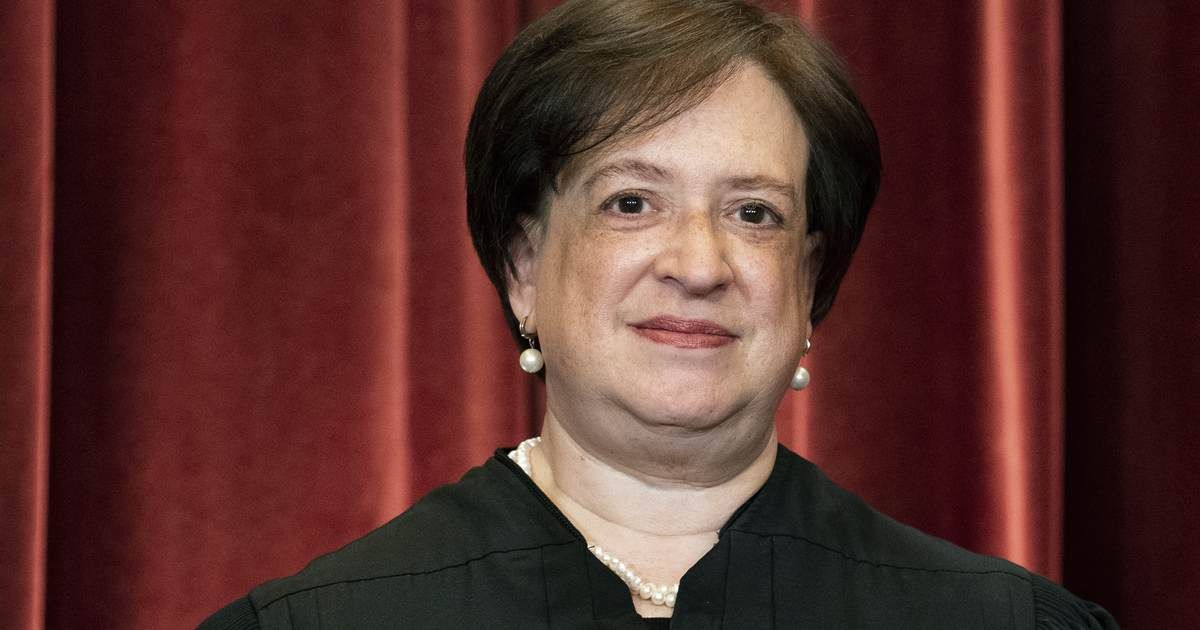
Justice Elena Kagan of the U.S. Supreme Court called the entire project of originalism "misconceived" and said it is "not a very good match" with the Constitution the country actually has. Bearing Arms reported her remarks on October 31, 2026, after she spoke at a recent event the outlet described as semi-informal. Her critique goes straight at the method the Court used in its modern gun cases. That makes it more than a seminar debate. Gun owners should read it as a signal about how some justices view the text they are bound to apply.
Key Details
The reported facts are short and specific:
- Speaker: Justice Elena Kagan, speaking at a recent semi-informal event.
- Core quote: She called originalism's "whole project" misconceived and "not a very good match" with the Constitution in force today.
- Her characterization: She described the Constitution as broad, built from "hazy generalities."
- Source reporting date: Bearing Arms published the piece on October 31, 2026, at 2:30 p.m. Eastern.
- Text at issue: The Second Amendment reads, "A well regulated militia being necessary to the security of a free state, the right of the people to keep and bear arms shall not be infringed."
- Author's position: Bearing Arms argues the Second Amendment contains no generalities and that gun control runs against its plain words.
- Missing from the report: The piece names no case, vote, or pending ruling tied to the remarks. Read the full piece before assuming a specific legal consequence.
Background
Originalism gained its modern footing as a method for reading the Constitution by its public meaning at ratification. The Court's most important gun decisions rely on it. In District of Columbia v. Heller (2008), a 5-4 majority written by Justice Antonin Scalia held that the Second Amendment protects an individual right to keep a handgun in the home for self-defense. Two years later, in McDonald v. City of Chicago, a 5-4 Court applied that right against the states. Kagan joined the Court in August 2010, after both decisions.
The method shifted again in New York State Rifle & Pistol Association v. Bruen (2022). A 6-3 majority struck down New York's "proper cause" requirement for carrying handguns in public. It also set the test lower courts must apply: when the plain text covers a person's conduct, the government must show that its regulation fits within a historical tradition of firearm regulation. Justice Stephen Breyer wrote the dissent, which Justices Sonia Sotomayor and Kagan joined. In United States v. Rahimi (2024), the Court upheld the federal ban on gun possession for people under certain domestic violence restraining orders, 18 U.S.C. § 922(g)(8), while reaffirming the Bruen framework. Kagan's comments fit a clear pattern. She has pushed back on the history-based test that now governs gun cases.
Why It Matters for Gun Owners
Comments from a justice do not change the law. Your carry permit, your magazines, and your rights in your state stay exactly where they were on Halloween. Still, the remarks point to where the fights will land. Lower courts now hear challenges to state and federal laws every week. Judges in those courts must apply Bruen to restrictions on carry in "sensitive places," on certain rifles and magazines, and on who may own firearms. Every one of those cases turns on whether a historical analogue exists. If the Court's liberal wing treats text and history as a loose guide rather than a binding test, the analogue fight gets harder to win for gun owners.
If you carry in a state with new sensitive-place rules, document where those rules allow and forbid carry. Keep your permit, receipts, and any registration paperwork in one place. Check whether your state gun rights group is tracking challenges in your circuit. The people who file these cases need plaintiffs, and plaintiffs with clean records and clear facts give courts the best vehicle.
DownRange Analysis
Bruen will survive this speech. Kagan's remarks do not reach the votes that matter. A Court majority of six justices has held the text-and-history test as the governing standard, and it takes a majority to overturn it. The real question is what the next nominee does with that test. A justice who treats the Constitution as a set of "hazy generalities" will try to rewrite the analogue requirement into a balancing test that favors government. Watch Senate confirmation hearings closely. Ask every nominee how they read "shall not be infringed" and whether they accept Bruen as binding precedent. Your vote and your calls to senators matter more than any op-ed. Gun owners should treat Kagan's critique as a preview of the arguments that opponents will make in court. Prepare for them now by supporting the litigation that defends the text.