Acquitted of Self-Defense, Felon Anyway: Colie Asks SCOTUS for Help
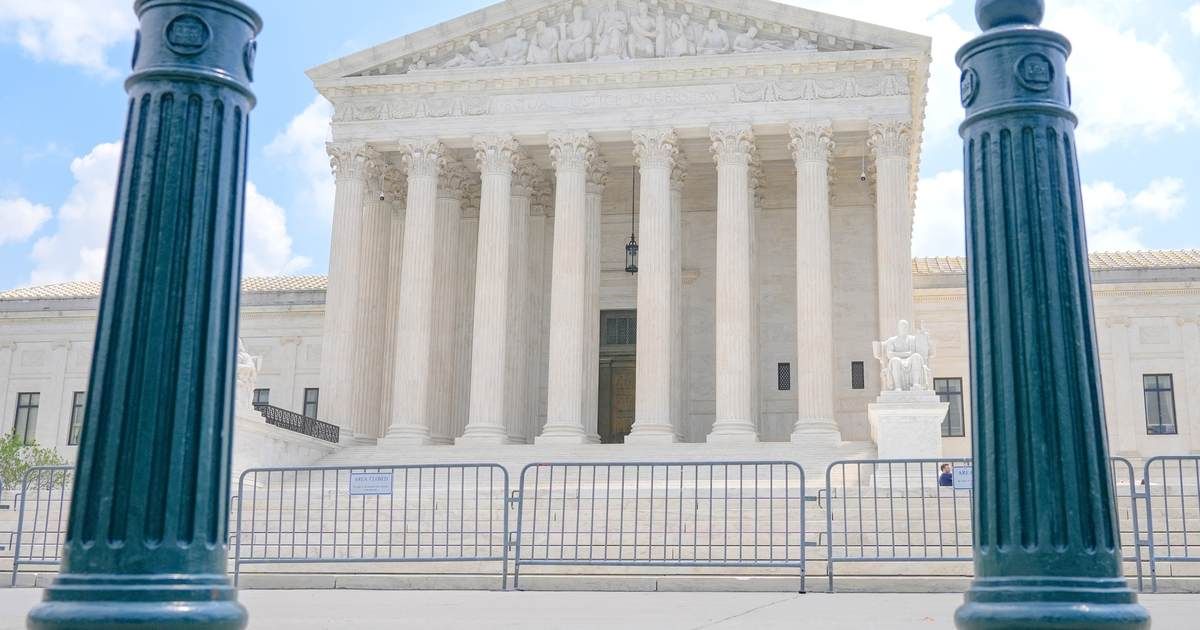
A Virginia jury cleared Alan Colie of shooting Tanner Cook with intent to hurt him, then convicted Colie of a felony for firing the same shot. Colie now wants the U.S. Supreme Court to review Colie v. Commonwealth of Virginia. The justices are scheduled to discuss his cert petition at an upcoming conference. The incident happened in April 2023 at a northern Virginia mall, where Colie was working as a delivery driver. Cook, a prankster who films strangers he provokes, followed Colie as he tried to leave. Colie drew his lawfully carried pistol and fired once, hitting Cook in the chest. The verdict left Colie with a felony he cannot shake, and he remains in custody while the courts sort it out.
Key Details
The prosecution filed three counts. Colie faced aggravated malicious wounding, use of a firearm in committing that offense, and a discharge charge. The jury acquitted him of the first two. It convicted him only of unlawful discharge of a firearm inside a building.
- Date of incident: April 2023, northern Virginia mall
- Shots fired: One round, striking Cook in the chest
- Acquitted counts: Aggravated malicious wounding; use of a firearm in the commission of aggravated malicious wounding
- Conviction: Unlawful discharge of a firearm within a building, a felony
- Current status: Colie remains incarcerated
- Pending in state court: A hearing next month on a motion to throw out the remaining conviction
- Federal filing: A cert petition presenting two questions, including whether due process requires vacatur under the Powell footnote 8 exception
Colie's attorney argues the jury was confused by the self-defense instructions. The position is that jurors believed self-defense could not apply to the discharge charge. Courts in Virginia have rejected Colie's appeals so far. No justice has called for a response from the Commonwealth, a signal that often points toward denial.
Background
Inconsistent verdicts are not new to American courts. In United States v. Powell (1984), the Supreme Court held that a conviction cannot be overturned merely because it conflicts with an acquittal on another count. The Court reasoned that the jury may have reached a mistake, a compromise, or an act of lenity. Footnote 8 of that opinion left open a harder case, where the verdicts are not just inconsistent but logically exclusive. Colie's lawyers built their petition on that gap. Their argument is that an acquittal on every count tied to a single act, based on self-defense, leaves no lawful route to a conviction for that same act.
The Second Amendment stakes add weight. Under federal law, a felony conviction with a potential sentence over one year bars possession of firearms and ammunition under 18 U.S.C. § 922(g)(1). Colie's case therefore carries a permanent cost that outlasts any sentence. Since New York State Rifle & Pistol Association v. Bruen (2022), courts evaluating gun laws must ask whether the regulation fits the nation's historical tradition of firearm regulation. Colie's situation does not turn on a gun ban in the abstract. It turns on whether a jury verdict can strip a self-defense shooter of his rights while contradicting itself.
Why It Matters for Gun Owners
Every permit holder who carries daily should read this case closely. The facts line up with ordinary carry scenarios. A lawful carrier faces a hostile person, tries to disengage, and the aggressor keeps coming. Colie did not start the confrontation. He backed away first. Even so, a single trigger pull put him in a courtroom and then in a prison cell.
Carriers in Virginia and other states should note three practical points. First, a not-guilty verdict on the assault counts does not guarantee you walk out clean if a lesser firearm count survives. Second, the discharge statute in a building or public space can turn a justified shot into a felony charge. Third, the jury instructions decide whether self-defense applies to each count, so defense counsel must check every instruction line by line. If you carry, document the disengagement, the witnesses, and the video. Retreat evidence may matter as much as the shot itself.
Watch the hearing next month and any action on the petition. A grant would give every defendant a federal path to challenge inconsistent verdicts in self-defense cases. A denial would leave Colie's conviction in place under the current state rules.
DownRange Analysis
Does this survive Bruen scrutiny? The Bruen test governs whether a government restriction on arms fits history, and a felony conviction triggers the federal ban automatically. The stronger constitutional question here is due process. A conviction resting on a count the jury logically rejected by accepting self-defense looks like a textbook case for Powell's footnote 8. The Court has refused to sort out that problem for decades, and Colie gives it a clean record to examine.
Market impact is minimal in the short run. Nobody's holster sales depend on a single petition. The long-term effect is larger. Every instructor teaching self-defense law now has a live example of how a verdict can disarm a justified defender.
What should a gun owner do right now? Keep your carry habits tight and your documentation tighter. Know your state's discharge statutes, especially rules on firing in buildings or near crowds. Don't assume an acquittal settles your rights. Talk to a lawyer who handles self-defense trials before you need one. Colie's case may never reach a merits ruling, but the lesson holds: a justified shot is only half the fight.