Supreme Court Punts Major Second Amendment Cases Past 2026
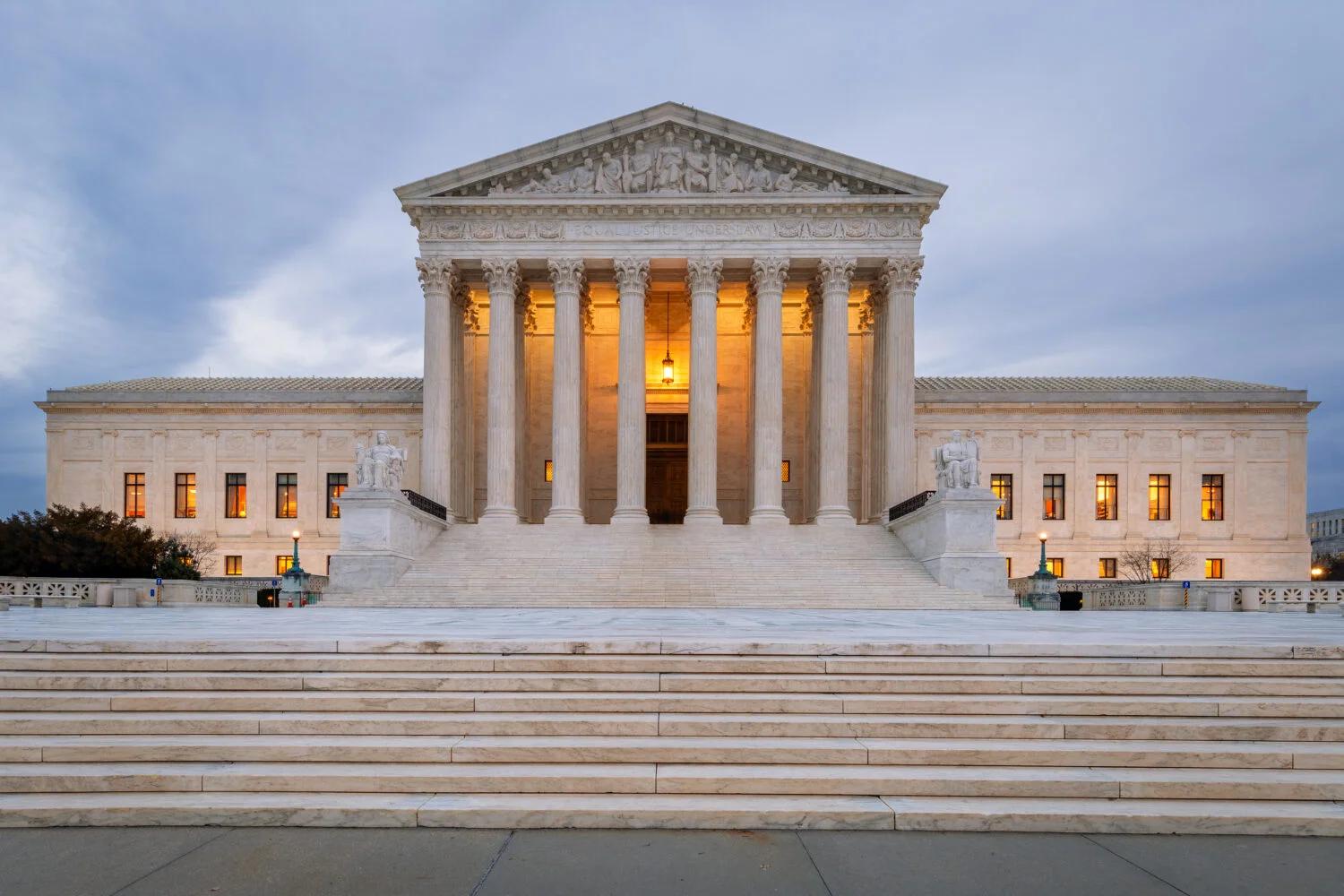
The Supreme Court declined to hear several significant gun rights petitions this week, pushing critical Second Amendment cases into the 2027 docket. This delay means gun owners won't get clarity on key constitutional questions for at least another year. Three petitions challenging state restrictions on magazine capacity, permitless carry, and assault weapon definitions remain in limbo.
The court's inaction frustrates Second Amendment advocates seeking nationwide precedent. Lower courts have split on these issues, creating legal confusion across state lines. Meanwhile, restrictive states continue enforcing laws that plaintiffs argue violate Bruen standards.
Why It Matters for Gun Owners
This delay affects millions of daily carriers and sport shooters immediately. States like California, New York, and Massachusetts continue enforcing restrictions without clear Supreme Court guidance. Gun owners in those jurisdictions face prosecution for conduct that may be constitutional under Bruen but remains illegal under state law.
Magazine limits directly impact self-defense capability. New York restricts magazines to 10 rounds. California enforces similar caps. If SCOTUS eventually rules these limits unconstitutional—a strong possibility based on Bruen language—millions of compliant gun owners would have unnecessarily restricted their defensive capacity for years.
The permitless carry question affects constitutional recognition. Twenty-five states now allow permitless carry. Other states maintain may-issue or shall-issue regimes with high barriers. SCOTUS clarity would either validate state discretion or force universal permitless carry recognition.
Assault weapon definitions create arbitrary legal exposure. Different states define "assault weapons" differently. Federal definitions differ from state definitions. A rifle legal in Texas might trigger felony charges in New Jersey. SCOTUS needs to establish whether citizens retain rights to common defensive rifles.
Background
The Supreme Court established modern Second Amendment doctrine in New York State Rifle & Pistol Association v. Bruen (2022). Bruen rejected interest-balancing tests and required courts to evaluate gun regulations through historical tradition. The decision invalidated New York's discretionary handgun licensing system.
Since Bruen, lower courts have struggled applying the historical test. Some judges interpret "historical tradition" narrowly, upholding modern restrictions lacking exact historical parallels. Other courts read Bruen broadly, striking regulations lacking solid historical foundation.
The pending petitions target this confusion. Magazine capacity limits have no historical parallel; courts split on whether Bruen covers them. Permitless carry was universal during the Founding but eliminated over two centuries; courts disagree whether Bruen restores it. Assault weapon bans target tools unavailable during the 1700s; judges reach opposite conclusions about Bruen's application.
SCOTUS typically receives hundreds of gun rights petitions annually. The court grants very few. This August cycle declined multiple significant cases, suggesting the justices may be waiting for circuit court consensus or want specific factual records developed further.
DownRange Bottom Line
Gun owners facing restrictive state laws won't get Supreme Court relief in 2026. That delay means continued legal uncertainty and potential criminal exposure for lawful gun ownership across multiple states. The court's silence effectively allows lower courts to continue splitting on fundamental Second Amendment questions.
Daily carriers in restrictive jurisdictions should expect current regulations to remain in place through 2027. Attorneys expecting Bruen clarification will need different strategies. Advocacy groups must decide whether to file new petitions with better-developed records or wait for SCOTUS to act on existing cases.
Constitutional recognition for modern defensive tools remains incomplete. Gun owners maintain Second Amendment rights, but practical exercise depends on state whims. That's exactly what Bruen should have fixed.