Supreme Court Accepts New Second Amendment Cases This Fall
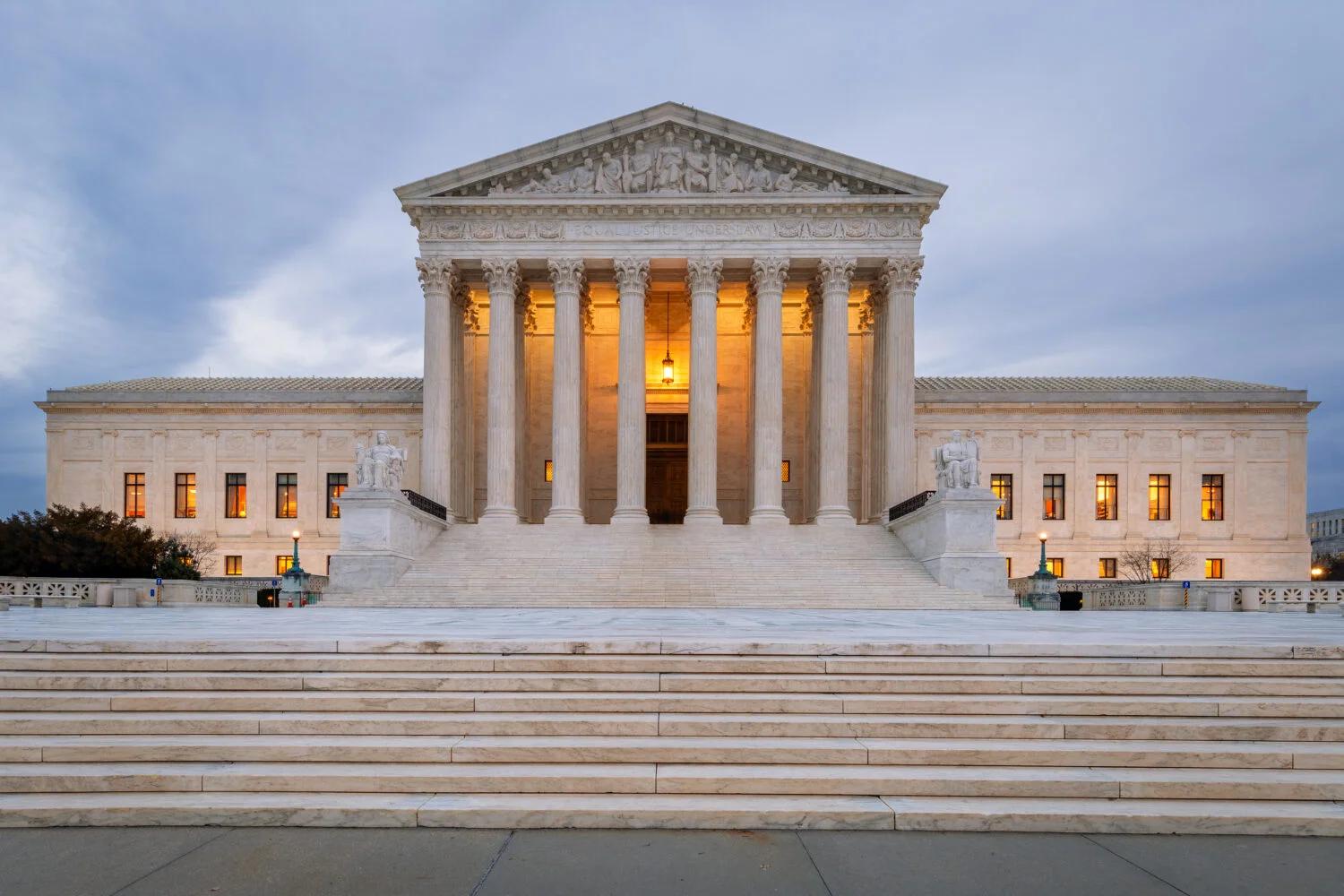
The Supreme Court docket now includes four active Second Amendment cases heading into oral arguments. SCOTUS added two new petitions September 28, 2026, signaling renewed appetite for gun rights litigation after 2024's New York State Rifle decision. These cases directly challenge state-level carry restrictions and magazine capacity bans affecting millions of gun owners nationwide.
Case one targets California's 11-round magazine limit under Penal Code 32310. Gun owners argue the restriction violates the Second Amendment for self-defense. California defended the ban as necessary public safety measure, but justices granted cert anyway. Oral arguments scheduled for December 2026.
Case two challenges New Jersey's "may issue" concealed carry licensing system. Despite New York State Rifle (2022) requiring "shall issue" standards, New Jersey maintained discretionary approval. The plaintiff, a licensed security professional denied carry rights, claims arbitrary denial violates constitutional protections.
Cases three and four involve federal defendants challenging firearm manufacturing bans and interstate transfer regulations. Both petitions cite "undue burden" on Second Amendment rights for lawful commerce.
Why It Matters for Gun Owners
Expect major rulings by June 2027. Magazine capacity restrictions affect millions in California, Colorado, Connecticut, Delaware, Maryland, Massachusetts, New Jersey, New Mexico, New York, and Washington. A Supreme Court win invalidates state bans entirely, not just narrowing them.
The Court signaled intent when it rejected New York's request to pause lower court rulings against their licensing system. That move tells observers justices want faster resolution on Second Amendment questions.
Gun owners carrying daily need clarity on what states can legally restrict. Magazine capacity, magazine type, ammunition restrictions—all heading toward SCOTUS scrutiny. Your state's carry laws may change by summer 2027.
This docket matters because lower courts split on application of New York State Rifle standards. Some federal judges upheld California's magazine ban. Others struck down carry restrictions. SCOTUS consolidation creates binding national precedent, preventing a patchwork of conflicting rulings state-by-state.
Background
In 2022, the Supreme Court overturned New York's restrictive carry licensing in New York State Rifle & Pistol Association v. Bruen. That decision required "shall issue" licensing and applied strict scrutiny to firearm regulations. Justice Thomas wrote that laws must align with historical tradition or face constitutional failure.
Since Bruen, lower courts have disagreed sharply on what constitutes historical tradition for magazine bans, capacity limits, and commercial restrictions. Three federal appeals courts already struck down similar regulations; two upheld them. That split triggered SCOTUS intervention.
California and New Jersey have spent combined $15+ million defending their restrictions since 2022. Both states lost initial challenges but appealed to the Supreme Court level. Other states watching closely: Massachusetts, Connecticut, Delaware, and Maryland drafted similar briefs supporting California's magazine ban argument.
Pro-Second Amendment groups filed amicus briefs within days of cert grants. The Firearms Policy Coalition, Second Amendment Foundation, and National Rifle Association coordinated arguments emphasizing magazine capacity affects defensive capability for home protection and concealed carry.
DownRange Bottom Line
The Supreme Court accepted four major Second Amendment cases in September 2026. Magazine bans and discretionary carry licensing face direct constitutional challenges. Decisions arrive by June 2027, likely expanding Second Amendment protections nationwide. Gun owners should monitor oral arguments in December—they predict outcome direction before official rulings. State-level restrictions on capacity, licensing, and commercial sales move toward invalidation unless SCOTUS reverses course from Bruen standards.
Track the docket at supremecourt.gov. Oral argument audio releases same day arguments occur.