San Francisco Has No Gun Shops, and Now a Stage Show Asks Why
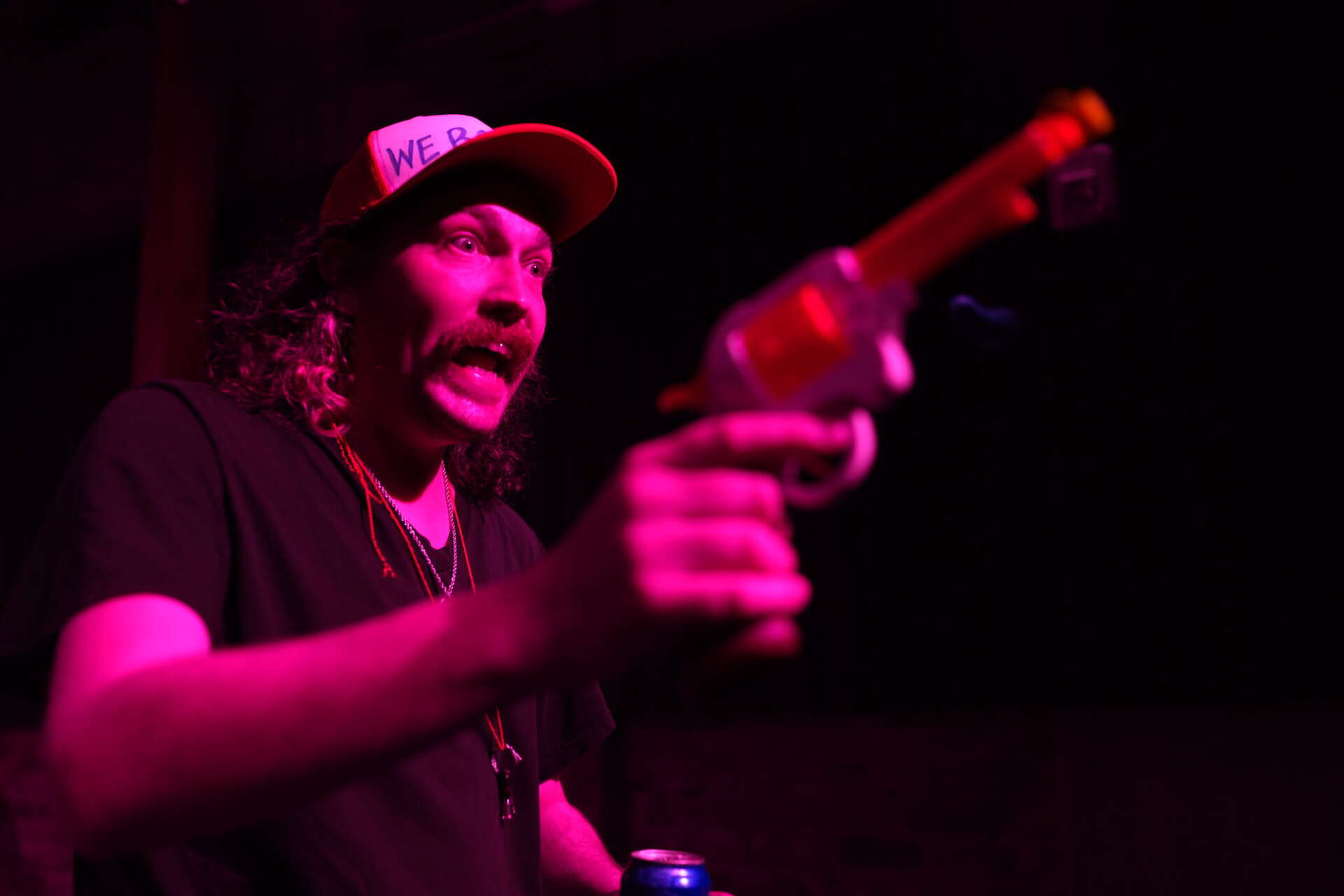
The San Francisco Neo-Futurists are staging We Bought a Gun!, a new production about a Bay Area couple who become first-time gun owners. The show follows them through the fear, frustration, and mixed feelings that come with that decision. It lands in a city where no gun store operates within the city limits. That makes the premise a pointed one. San Francisco Chronicle theater critic Lily Janiak has already reviewed the production, and her account sets up the central tension: the play refuses to explain the couple's choice right away. Instead, it opens with dread. For a city that has no retail gun counter, a play about buying a first gun puts the legal and cultural distance between San Francisco and its law-abiding residents on stage.
Key Details
The facts are straightforward, and they matter for anyone tracking Bay Area gun policy.
- Production: We Bought a Gun!, staged by the San Francisco Neo-Futurists.
- Format: The company runs 30 very short works in 60 minutes every Friday and Saturday night. This full-length play follows the same compressed style.
- Performers: Willie Caldwell and the mononymous Jeb play the couple.
- Critic's read: Janiak wrote that the pair does not explain their purchase outright. She described a low-grade, chronic panic in the early scenes.
- Gun-owner statistics: Janiak noted that homes with guns see more homicides and suicides. She also wrote that guns feel almost natural in America.
- National scale: The article puts the number of American gun owners at roughly 100 million.
- San Francisco retail: No gun shop operates inside the city. Local buyers must travel out of the city to purchase.
- Last city dealer: High Bridge Arms closed in 2015 after 63 years in business. The owners said operating in the city had become untenable.
- California purchase hurdles: Buyers face a 10-day waiting period, a required safety certificate, and ammunition background checks.
Background
San Francisco's gun retail problem did not start with a stage show. The city's last store closed in 2015, ending a run that had lasted 63 years. High Bridge Arms did not close because of a single ordinance. The owners said operating there had become untenable, which points to the accumulated cost of doing business in the city. Their exit left a hole that no replacement has filled, and the result is a city where a legal purchase requires a trip elsewhere. California layers its own requirements on top of that reality. The state imposes a 10-day waiting period on handgun transfers and requires a handgun safety certificate before a buyer can take a pistol home. Ammunition purchases also run through a background check system that California adopted under Proposition 63. Those rules apply to residents regardless of where they buy. Constitutionally, the Supreme Court settled the core question in District of Columbia v. Heller in 2008, which recognized an individual right to keep a handgun in the home. McDonald v. City of Chicago in 2010 applied that right to the states and their cities. In New York State Rifle & Pistol Association v. Bruen in 2022, the Court required that modern gun regulations match the nation's historical tradition of firearm regulation.
Why It Matters for Gun Owners
If you live in San Francisco, your practical options are narrow. You can buy outside the city, but you still have to clear every California hurdle. Budget for the full timeline before you walk into a store. The 10-day wait starts at transfer, so plan around it if you need a firearm soon. Take the handgun safety certificate course before you shop, because you will need the certificate in hand to complete the transfer. Ammunition is a separate purchase that carries its own background check, so do not assume your firearm purchase clears the way for ammo. If you are a Bay Area resident who travels for work or family, track which dealers near you offer the process cleanly and keep records of every step. Also remember that the stage show is entertainment, not a legal guide. The couple's journey reflects one story. Your transfer will follow the statute, not the script.
DownRange Analysis
The retail gap in San Francisco raises a sharper question than whether a play gets the subject right. Under Bruen, the government must justify a firearm regulation with historical analogues, and a city that cannot host a single licensed dealer invites that scrutiny. Courts have not fully settled whether a practical lockout of dealers burdens the right to acquire arms, and that uncertainty works in the city's favor for now. Lawyers challenging these restrictions should build a record showing the travel distance, the cost, and the closure of the last shop. The market is already moving the other way. Every San Francisco buyer who drives to a store in a neighboring county spends money outside the city, and that flow favors dealers willing to serve the Bay Area. Gun owners should do three things right now. Know your county's dealer options, complete your safety certificate early, and keep receipts and transfer paperwork for every purchase. Show up prepared, and do not let a stage production set your expectations for the process.