SHIELD Sights Turns 40, and Its Mount Pattern Is Everywhere
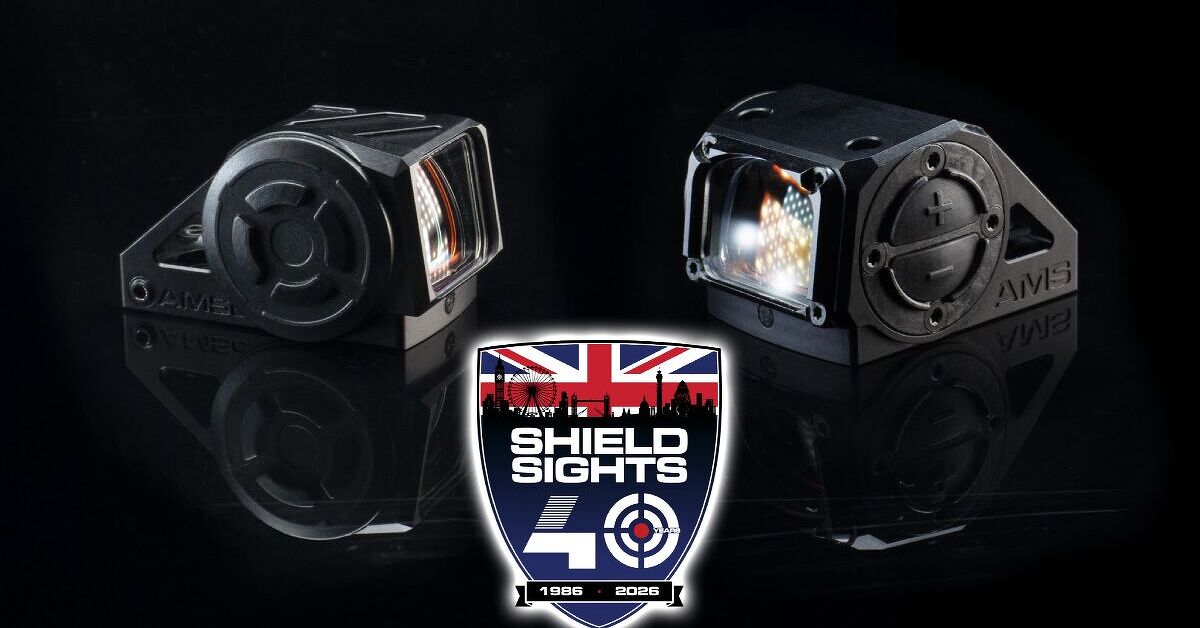
SHIELD Sights is marking its 40th anniversary, and the British optics maker points to one contribution above the rest: the compact RMSc mounting footprint. The company was founded on November 3, 1986, and it started in competitive shooting before growing into an internationally recognized red dot manufacturer. Today that RMSc pattern appears across numerous handgun and optics makers, especially on slim optics-ready carry pistols. SHIELD still designs, manufactures, and assembles its optics at its facility in Crewkerne, England. CEO James White says the company's commitment to innovation is as strong now as when it started. The anniversary announcement ran in GunsAmerica Digest on November 2, 2026.
Key Details
The anniversary story lays out a short list of concrete facts that matter to shooters and buyers:
- Founding date: November 3, 1986.
- Origin: Competitive shooting, specifically the practical shooting world that produced the early red dot demand.
- Early product names: Some early SHIELD designs were sold under other brands, including the Firepoint, Tasco Optima, Trijicon RedDot, and JPoint. Longtime shooters will recognize several of those names.
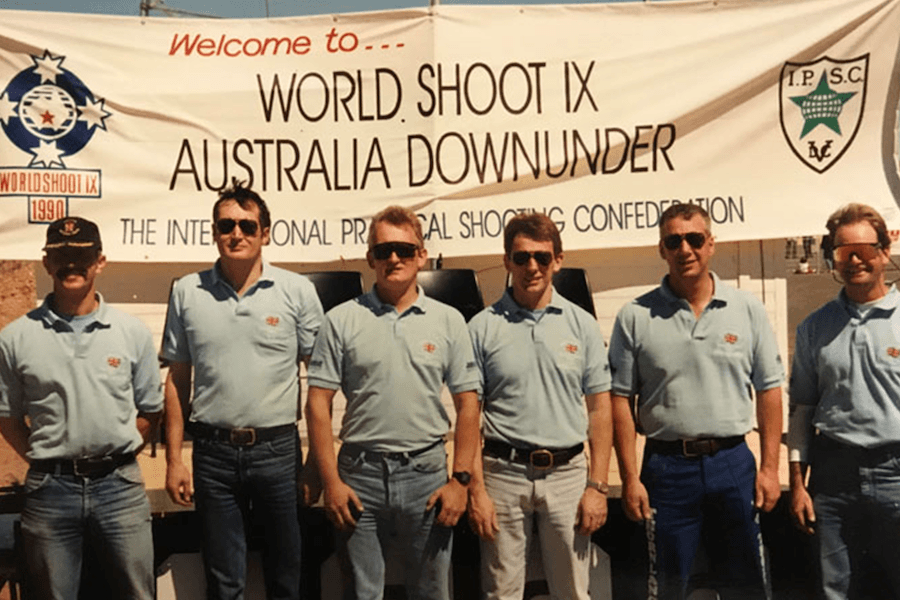
- Historical image: Early SHIELD team members attended IPSC World Shoot IX in Australia in 1990, and the company published a photo from that event.
- Signature design: The compact RMSc footprint, which the company calls its biggest contribution, now serves as an industry standard for handgun and optics makers.
- Manufacturing: SHIELD designs, makes, and assembles optics in Crewkerne, England.
- Leadership quote: CEO James White describes the anniversary as a milestone and says innovation remains a core priority.
- Where to look: The current lineup lives at ShieldSights.com, and U.S. buyers can find participating dealers through the company's site.
Background
Red dots did not start on pistols. They spent decades on rifles, shotguns, and competition guns before anyone seriously mounted one on a carry handgun. Practical shooting sports like IPSC pushed optics forward, and a small group of British and American makers worked out what worked under recoil and in fast transitions. SHIELD grew out of that environment. Its early designs carried other brand names, which reflects how much of the optics business in that era ran through private labels and OEM contracts.
The shift to slide-mounted optics on defensive handguns came much later. Over the last decade, manufacturers began cutting slides to accept red dots directly, and the mounting pattern became the problem. Every maker wanted a footprint that fit a slim frame without a bulky adapter plate. SHIELD's compact pattern filled that gap and spread from there. Glock's MOS line and the wave of optics-ready pistols that followed made the question of footprints urgent for every buyer, and the RMSc pattern became one of the common answers.
Why It Matters for Gun Owners
If you carry an optics-ready pistol, the footprint on your slide decides which optics you can run without a bracket. A common pattern means more choices and easier swaps. It also means you can move an optic from one gun to another if the plates line up. The catch is that "same footprint" does not always mean "same plate." Screw spacing, depth, and slide cuts vary between manufacturers, so check the specs before you buy.
Owners of Glock, SIG, and other optics-ready models should confirm which plate their gun takes before ordering. Get the right screws too. Loose or wrong-length screws cause more optic failures than most people admit. Shooters who already own SHIELD optics should check the company's current lineup to see whether a newer model fits an older slide. If you're buying through a dealer, ask whether they stock the correct plate and whether they will help with the install.
DownRange Analysis
A mounting pattern is not a court case, so Bruen does not apply here. This is a business story, but it still matters. Standardized footprints shrink the cost of entry for small optics makers and make it harder for big brands to lock buyers into one ecosystem. When a company's pattern becomes the default, its competitors have to build around it. That is good for the consumer.
What should a gun owner do right now? Know your slide, know your plate, and buy the optic that matches both. Don't assume a pattern match means a warranty match. Read the manufacturer's install guide, use a torque driver, and use thread locker where the manual calls for it. A red dot that drops zero on the first range trip is a sign the mount was rushed. Take your time.