Colonial gunsmithing, not modern loophole, defines private firearms manufacturing
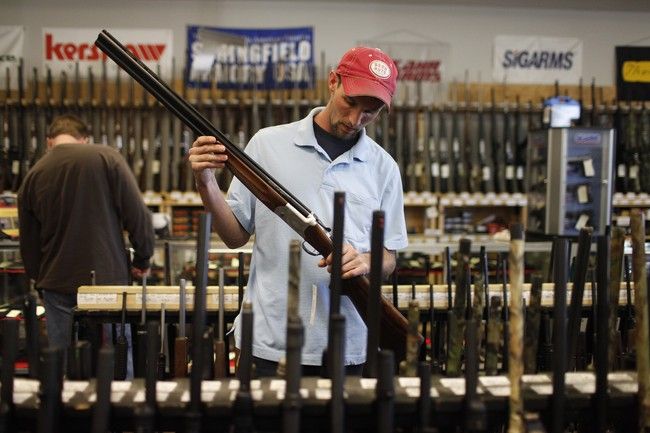
Private gunmaking isn't new. Americans built firearms at home since the 1600s, when gunsmiths sold parts to civilians who finished assembly themselves. This wasn't a workaround—it was standard practice for centuries. The term "ghost gun" is recent media invention. Gun owners and historians call it what it actually is: privately made firearms with roots running deeper than federal firearms licensing.
Before industrial mass production dominated in the early 20th century, civilian gunsmiths supplied components. Buyers completed wood finishing, metal work, and assembly. No federal registry existed. No serialization requirements. No licensing system. Just American citizens acquiring the tools of self-defense through direct acquisition and personal craftsmanship.
Why It Matters for Gun Owners
Understanding this history demolishes the "loophole" narrative. You're not exploiting a gap in the law—you're exercising a practice older than the Constitution. When politicians frame privately made firearms as a modern threat, they're rewriting American history to suit current policy goals.
State-level restrictions matter now. Some jurisdictions ban unserialized builds entirely. Others regulate 80% receivers as complete firearms. Your legal exposure depends entirely on where you live. Pennsylvania permits private manufacturing without registration. California treats 80% receivers as firearms requiring serialization and background checks. New York treats them identically to finished guns. Check your state's specific rules before ordering parts.
The Bruen decision changed the legal battlefield in 2022. Courts now demand that gun restrictions have historical grounding in founding-era or post-Civil War practice. This shifts the burden to prosecutors and regulators—they must prove that banning private gunmaking has precedent. Colonial civilians building firearms at home don't provide that precedent. Bans on unserialized builds fail the historical test absent evidence that founding-era governments prohibited private manufacturing entirely.
For daily carriers and practical shooters, this means legal challenges to state bans on 80% builds and privately made firearms will increase. Courts recognize the distinction between making firearms for personal use versus manufacturing for sale. A rifle built in your shop for your use sits on stronger legal ground than assembly-line production without proper licensing.
Background
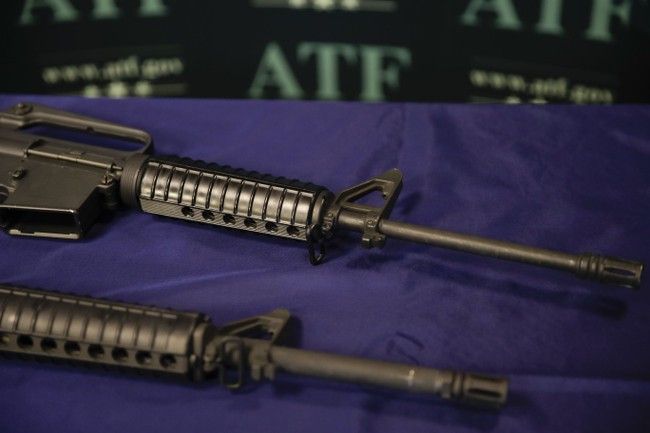
Federal regulators and state attorneys general have pushed hard against private gunmaking over the past five years. The ATF proposed rules treating 80% receivers as complete firearms. States including California, New York, and Washington passed laws explicitly banning unserialized builds. These restrictions didn't emerge from enforcement data showing privately made firearms drive crime—they emerged from political pressure to restrict civilian access to firearms manufacturing.
Courts are systematically striking down these bans. Federal judges applying Bruen's historical test have found that colonial-era records show no prohibition on civilian gunsmithing or private manufacturing. The government cannot demonstrate that founding-era regulations banned citizens from making firearms for personal use. Without that historical grounding, modern bans collapse under constitutional scrutiny.
DownRange Bottom Line
Private gunmaking is American heritage, not modern loophole. You're exercising a practice that predates the nation by more than a century. Check your state's current rules—they vary wildly. Build confidence knowing that courts increasingly recognize private manufacturing as constitutionally protected activity rooted in founding-era practice. The legal landscape shifts in your favor as judges apply historical standards to modern regulations. Stay informed on your state's specific restrictions, but understand you stand on solid historical and legal ground.