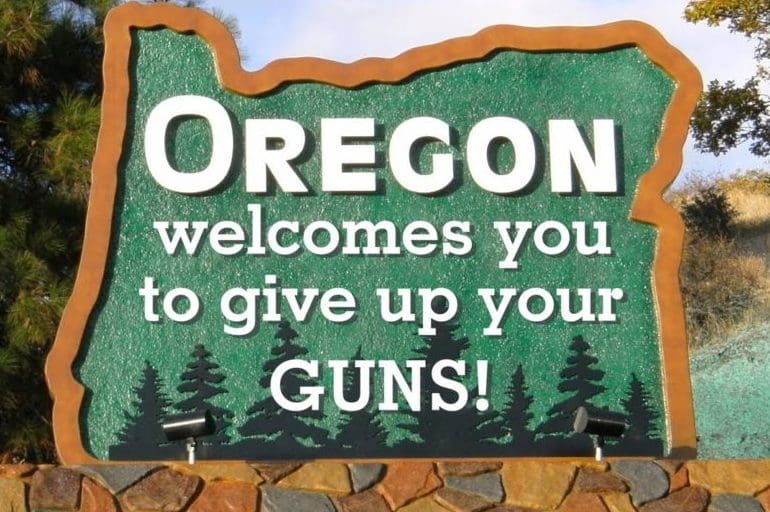
Oregon Measure 114 Sparked Tens of Thousands Pre-Ban Gun Purchases
Oregon voters narrowly approved Measure 114 in November 2024, imposing mandatory permitting and new purchase restrictions. Before the law took effect, gun owners flooded background check systems with tens of thousands of additional transactions. Researchers documented the surge directly: advance notice of restrictions triggered exactly the buying panic gun-control advocates claim they want to prevent.
The measure created a known implementation window. Oregonians had a clear deadline to purchase before new rules applied. They used it. Background check data shows a dramatic spike during the pre-implementation period, with researchers quantifying tens of thousands of additional checks attributed directly to Measure 114's passage.
Why It Matters for Gun Owners
Oregon's data demolishes a core gun-control argument: that restricting access reduces sales or interest. It doesn't. Every announced restriction creates a buying surge—exactly what happened before California's semi-auto ban, magazine limits, and dozens of other state-level restrictions. The pattern repeats because human behavior is predictable.
For gun owners, the lesson is clear: advance notice of laws fuels acquisition, not compliance. Oregonians who wanted firearms got them before Measure 114 took effect. Those who delayed faced a harder path afterward. The demand didn't disappear. It simply moved earlier in the timeline.
For states considering similar measures, Oregon's evidence proves permitting systems and purchase restrictions don't suppress demand—they compress it into a narrower window. Policymakers can't make people want guns less by announcing restrictions. They can only change when people buy them.
This matters for daily carriers and gun owners nationwide because it shows the real-world consequences of restriction announcements. Every politician who signals new gun laws incoming will trigger the same response: immediate purchasing acceleration. That surge proves demand remains strong despite regulatory pressure.
Background: Measure 114's Requirements
Measure 114 introduced mandatory permits for all firearm purchases in Oregon. It also raised the minimum age for handgun purchases to 21 and required permit applicants to complete a training course costing money and time. The permitting process creates delays that didn't exist before.
Gun owners understood immediately: buy now or navigate bureaucracy later. They chose the first option in massive numbers. The surge began immediately after Measure 114's passage and continued through the pre-implementation period as Oregonians rushed to complete transactions before new rules took effect.
California's experience with similar restrictions shows this pattern is durable. Magazine limit bans, semi-auto restrictions, and other regulations all triggered massive pre-implementation surges. Oregon's data confirms the phenomenon isn't unique to California—it's predictable human behavior responding to clear incentives.
DownRange Bottom Line
Measure 114 illustrates why predictable restrictions fail as policy. Gun owners aren't irrational actors; they respond to clear incentives. The surge in Oregon background checks represents demand that still exists—it simply relocated to an earlier timeframe.
For daily carriers and responsible gun owners, this proves an important point: restrictions don't eliminate desire for firearms. They create compressed demand windows that strain background check systems and prove millions of Americans prioritize self-defense rights over regulatory convenience.
The data speaks clearly. Oregon voters approved Measure 114, but Oregonians voted with their wallets first. Tens of thousands chose to exercise their Second Amendment rights before the window closed. That's not irrational behavior—it's rational response to announced restrictions.