ATF Stops Enforcing Suppressor NFA Approvals — Your State Still Decides
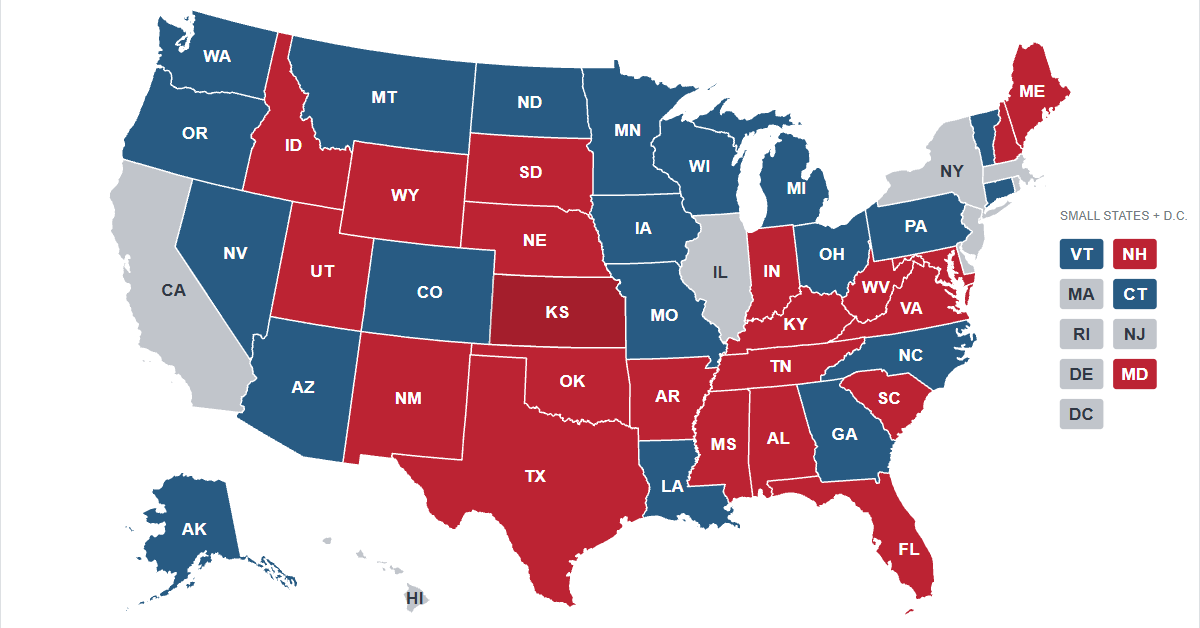
ATF will no longer enforce certain National Firearms Act approval and registration requirements for suppressors, effective October 9, 2026. The change covers making and transfer approvals and registration. It does not change your state's rules. Concealed Nation's state-by-state suppressor map, last reviewed October 22, 2026, lists 42 states that allow civilian ownership with conditions. Eight states and Washington, D.C., generally prohibit ordinary civilian possession. The federal policy shift lowers paperwork at the federal level. It leaves the state patchwork exactly where it was.
Key Details
The federal change took effect on October 9, 2026. ATF adopted a nationwide policy of not enforcing specific NFA requirements tied to suppressors. Voluntary NFA registration remains available for owners who want it. Dealer transfers still require ATF Form 4473 and any applicable background check under the Gun Control Act of 1968. The source map sorts states into three categories:
- Generally allowed (red): Eligible civilians may own suppressors, subject to federal and state rules.
- State-law conditions (blue): Registration, federal-compliance provisions, use restrictions, or unresolved state questions apply.
- Generally prohibited (gray): Ordinary civilian possession is banned, with narrow exceptions in some cases.
The eight states generally prohibiting civilian possession are California, Delaware, Hawaii, Illinois, Massachusetts, New Jersey, New York, and Rhode Island, plus Washington, D.C. Some of these jurisdictions allow limited exceptions for specified people or activities. ATF stated that it cannot determine whether an unregistered suppressor held under its enforcement policy satisfies state-law conditions. The enforcement policy itself can change without notice. The guide also warns that hunting rules and wildlife agency restrictions apply separately from ownership law.
Background
The National Firearms Act of 1934 placed suppressors under Title II alongside machine guns and short-barreled rifles. For decades, anyone who made or transferred a suppressor needed ATF approval, and owners registered them with the bureau. The Gun Control Act of 1968 added the dealer paperwork system built around Form 4473 and the background check process. Those two layers have operated together ever since. Federal tax treatment also shifted. The $200 transfer tax that had applied to suppressors since 1934 dropped to zero under the 2025 reconciliation law, effective January 1, 2026. That change removed the tax but left the approval and registration machinery in place. The October 2026 enforcement policy is the first move to stop enforcing the NFA paperwork itself. Each step addressed a different layer of the system, and states never adopted the federal tax or registration model automatically. Many built their own rules on top of federal law.
Why It Matters for Gun Owners
If you live in one of the red states with no state-level registration, the federal change simplifies your life. You still buy through an FFL, you still complete Form 4473, and you still pass the background check. Owners in blue states face the real work. A state that requires registration or ties its rules to federal compliance does not care what ATF has stopped enforcing. Read your state's entry before you buy. Check whether your state requires you to register a suppressor you already own, and whether it recognizes unregistered devices. If you travel, the rules for transporting a suppressor through a state change at each border. Do not assume that a federal policy shift protects you on a highway in a restrictive state. Residents of the eight prohibition jurisdictions should treat this news as irrelevant to their ownership status. Hunters should check wildlife agency rules before carrying a suppressor into the field, even where ownership is legal.
DownRange Analysis
Under the Bruen framework from 2022, the Second Amendment covers arms in common use, and courts ask whether a regulation fits the nation's historical tradition of firearm regulation. Suppressors are firearm accessories, and courts have not yet resolved whether they fall fully within the amendment's protection. The NFA paperwork burden is a regulation that Bruen-era litigants have challenged. An enforcement policy, though, is not a court ruling. It is discretion that a future administration can withdraw. Gun owners should not treat this as a permanent win. Expect a demand spike at dealers now that federal paperwork has thinned. Expect the same dealers to keep enforcing Form 4473 and background checks, because the Gun Control Act still applies. What should you do right now? Pull your state's entry on the Concealed Nation map. Confirm whether your state requires registration. Keep purchase records, transfer documents, and any registration confirmation in one folder. Buy through a licensed dealer. Watch ATF's guidance for changes. Verify your state's current rules before you travel with one.