Survey Data Shows Car Storage Driven by Legal Compliance, Not Recklessness
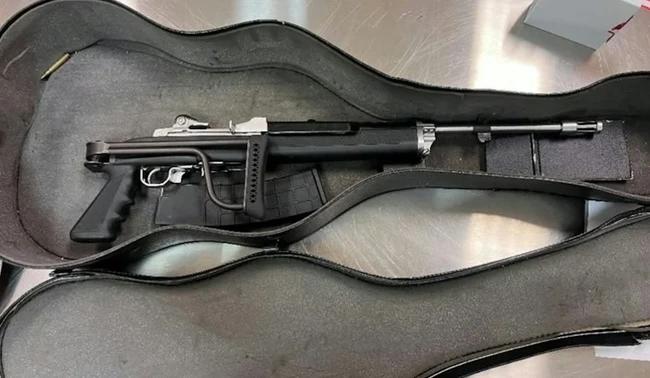
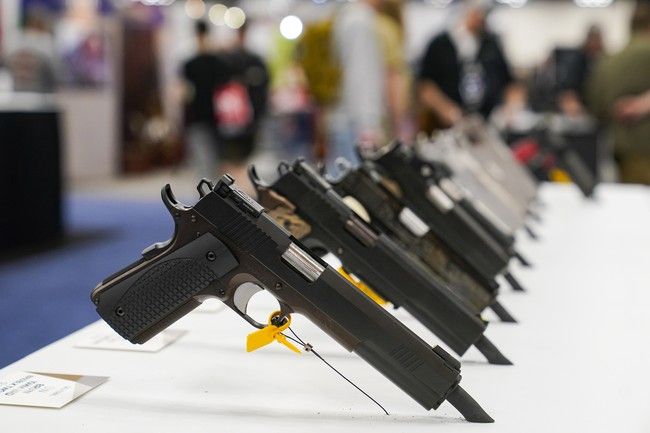
A recent survey examining firearm storage practices found millions of Americans regularly keep guns in vehicles. Most respondents cited specific legal barriers—not negligence—as their primary reason. Gun owners crossing state lines, commuting through restrictive jurisdictions, and working at prohibited locations face a hard choice: leave the firearm home, secure it in the vehicle, or risk felony charges by carrying into posted areas. The data demolishes the anti-gun narrative that frames car storage as reckless behavior.
Survey respondents distinguished between intentional, security-conscious storage and negligent abandonment. The distinction matters legally and tactically. A gun owner in Pennsylvania who works in New Jersey faces different carry laws in each state. Storing a firearm in a locked vehicle during the workday is a calculated compliance measure, not an oversight. Similarly, commuters traversing multiple jurisdictions make deliberate storage decisions based on state preemption laws and local regulations.
The survey's core finding: rational actors choose vehicle storage when carrying into a destination is illegal or impractical. Workplace prohibitions, public building bans, and school zone restrictions force this decision on millions daily. Gun owners managing these constraints aren't negligent—they're navigating a fragmented legal landscape with limited options.
Why It Matters for Gun Owners
This data point matters because it reframes a tactical problem as a character flaw. Gun control advocates will attempt to weaponize vehicle storage statistics to push additional regulations. But the survey itself undermines their argument by showing the decision-making behind the practice.
Understanding your state's carry laws, vehicle storage requirements, and workplace policies isn't paranoia—it's baseline compliance. Many states recognize out-of-state permits; others grant permitless carry. Some mandate locked storage in vehicles; others allow loaded firearms in reach. A Sig Sauer P365 stored in a center console with a cable lock meets some state standards but violates others. Knowing your jurisdiction's requirements prevents unintended felonies.
The survey data also justifies investment in proper vehicle storage. A quality lockbox mounted under a seat, a cable lock through the trigger guard, or a vehicle safe rated for quick access all exceed the standard negligent storage that anti-gun groups describe. Most survey respondents likely employed such methods, evidence of intentional security-conscious behavior.
Background on Vehicle Carry Laws and Restrictions
Vehicle storage sits at the intersection of carry rights and workplace/property restrictions. Federal law prohibits firearms in federal buildings and school zones. State laws vary wildly: some preempt local restrictions, others allow municipalities to ban car storage entirely. Private employers can prohibit firearms on premises, forcing employees to store guns elsewhere during work hours.
Commuters across state lines face multiplied restrictions. A driver traveling from Vermont to Massachusetts, or Arizona to California, encounters different carry standards in each jurisdiction. Vehicle storage becomes the compliance mechanism that keeps a lawful gun owner from becoming an accidental felon at a state border.
DownRange Bottom Line
Car storage is a symptom of America's fractured legal landscape, not proof of irresponsible gun ownership. Survey data showing millions store firearms in vehicles reveals rational actors responding to legal constraints, not negligent owners. Gun owners should invest in proper vehicle security (lockbox, cable lock, or safe), know their state and local carry laws, and recognize that storing a firearm in a vehicle during work or prohibited-location stops is a calculated compliance measure. Anti-gun groups will cite this survey to argue for restrictions; gun owners should cite it to explain why responsible people store firearms in cars in the first place.